
Restless Legs Syndrome

Restless Legs Syndrome

Restless legs syndrome (RLS) is a neurological disorder characterised by an urge to move the legs in response to unpleasant sensations like creeping, crawling, tingling, cramping or aching of the extremities. Symptoms vary between patients and range from uncomfortable to painful. RLS occurs mostly at night when lying down and lasts for a few minutes or an hour. This may lead to sleep deprivation, exhaustion and fatigue the next day. Getting up and moving around gives temporary relief.

RLS affects 5-15% of adults. Around 2-3% experience moderate to severe symptoms.
Prevalence of RLS increases with age (over 65 years have the highest prevalence). Women are more affected than men. Symptoms gradually worsen over time, but sometimes periodic spontaneous improvement can occur. RLS is hereditary in about 50% of cases. The cause can be idiopathic or secondary. Secondary causes of RLS may include iron deficiency, pregnancy, renal dialysis, smoking and obesity. Alcohol, caffeine, Parkinson’s disease, multiple sclerosis, diabetes and sleep deprivation can also be associated with RLS. Almost a quarter of pregnant women develop RLS symptoms mainly during the third trimester. This may be related to iron dilution due to an increase in total circulating blood volume. Symptoms usually disappear after delivery.

There is no specific test for RLS unless a secondary cause is suspected. Diagnosis is based on the patient’s description of symptoms and family history. Iron deficiency should be excluded. If serum ferritin level is below 75mcg/L, oral iron should be started. If this is not effective due to malabsorption or intolerance, intravenous iron should be considered.

Intermittent, mild symptoms can be managed by avoiding aggravating factors, engaging in moderate exercise (avoid intense exercise before bedtime), establishing good sleep hygiene and having a massage and warm bath prior to bedtime. Review patient’s medications and cease those that could be worsening RLS if appropriate e.g. antihistamines, metoclopramide, antidepressants.

Pharmacotherapy may be required if symptoms are bothersome and/or severe.

Medications used are:
Levodopa/benserazide 100mg/25mg to 200mg/50mg once daily at bedtime when needed
Levodopa/carbidopa 100mg/25mg to 200mg/50mg once daily at bedtime when needed.
Levodopa is reserved for intermittent use in people who do not require daily therapy.

Gabapentinoids (gabapentin and pregabalin) are useful when sleep disturbance, insomnia or an unrelated chronic pain syndrome are the main symptoms. Patients with renal impairment need the dose adjusted.
Gabapentin 100-300mg daily at night. Can gradually increase dose every 3-7 days as tolerated to a maximum of 2400mg. If dose is greater than 1200mg, one third should be taken in the evening and two thirds at bedtime.
Pregabalin 75mg once daily at night. Dose can be increased every 3-7 days as tolerated to a maximum 450mg daily.

Dopamine agonists are used in very severe RLS symptoms, comorbid obesity, metabolic syndrome, obstructive sleep apnoea and depression.
Pramipexole 0.125mg once daily 2-3 hours before bedtime. Gradually increase dose every 4-7 days to 0.25mg at night as tolerated to a maximum of 0.75mg daily.
Ropinirole 0.25mg once daily 1-3 hours before bedtime. Can increase after 2 days to 0.5mg daily for 5 days, then increase daily dose by 0.5mg every 7 days up to 4mg.
Rotigotine 1mg patch applied daily for 24 hours. Can increase dose if tolerated up to 3mg daily.

Reassure patients that common adverse drug effects like nausea and hypertension may subside after two weeks. For refractory RLS, combination therapy of gabapentinoid and dopamine agonist may be trialled. Benzodiazepines as an add on therapy for insomnia or low dose opioid is also beneficial.

Augmentation refers to an increase in RLS symptom severity with increased dose of medications. The symptoms occur at an earlier time during the day, is of greater intensity and may involve the arms. The risk of augmentation in patients taking dopaminergic drugs for long periods of time has led to gabapentinoids being preferred as first-line treatment for RLS. Refer to an expert if augmentation occurs.

Medication Interactions with Food

Food

Food

Patients are often given advice on when to take their medication in regards to food. For example, some medicines may be better absorbed on an empty stomach, while others may be better tolerated when taken with food. Not as much attention is typically given to the types of food taken with medicine. However, specific components of foods can affect the pharmacokinetics and pharmacodynamics of many medications in a number of different ways.

Chelation

Some medicines can bind to divalent and trivalent cations to form insoluble complexes that cannot be absorbed. Cations are positively charged ions that include calcium, aluminium, iron, magnesium, and zinc. These cations may be found in foods, such as dairy products, as well as supplements and antacids.

Medications typically associated with food interactions due to chelation include:

  • Quinolone antibiotics, e.g. ciprofloxacin, moxifloxacin, and norfloxacin;
    • Dairy products should not be taken within two hours of oral ciprofloxacin or norfloxacin dose.
    • High dose calcium supplements have demonstrated only minor impacts on the rate of absorption of moxifloxacin which is not considered clinically relevant. Therefore, dairy products may be consumed with moxifloxacin.
  • Tetracycline antibiotics, e.g. doxycycline, minocycline, and tetracycline;
    • Tetracycline (not marketed in Australia) is most likely to be affected by this interaction and should not be taken within two hours of dairy products.
    • Doxycycline and minocycline are much less likely to be affected by the ingestion of dairy products. Although they should not be co-administered with calcium supplements, these medicines can be safely taken with dairy products.
  • Bisphosphonates, e.g. alendronate, ibandronic acid, and risedronate;
    • These medicines are poorly absorbed, and administration with food or products containing calcium, magnesium and aluminium further reduces their bioavailability.
    • Regular immediate-release formulations of these medicines must be taken on an empty stomach and swallowed with only plain water.
    • Some bisphosphonate products are enteric-coated and formulated with the chelating agent, EDTA (disodium edetate). EDTA is poorly absorbed but exhibits a local effect in the gastrointestinal tract by preferentially binding calcium and other cations present in food. These preparations (e.g. Actonel® EC) are not markedly affected by food.
  • Chelating agents, e.g. penicillamine, trientine
    • The chelating properties of these agents are used to advantage in order to remove substances from the body, e.g. to reduce copper levels in people with Wilson’s disease.
    • If these medicines bind to cations in the contents of the gastrointestinal tract, their absorption and efficacy will be significantly reduced. These medicines should, therefore, be given on an empty stomach and at least one hour apart from food and milk.

Grapefruit juices

A component of grapefruit can irreversibly inhibit the intestinal CYP3A4 enzyme. This may increase the bioavailability of medicines metabolised via this pathway, leading to increased therapeutic effect and an increased risk of adverse effects. For pro-drugs metabolised via this pathway, such as clopidogrel and cyclophosphamide, co-administration with grapefruit juice may reduce efficacy due to reduced conversion to the active metabolite. A similar interaction may also occur with Seville oranges, starfruit, and pomelos.

Over 90 medicines are known to interact with grapefruit juice, although not all interactions are likely to be clinically relevant. The relevance is probably highest for medicines with low innate bioavailability (e.g. felodipine) and those with a narrow therapeutic index. For drugs with low bioavailability, a larger relative increase in systemic concentration is likely to occur, which may be more significant.

A selection of medicines that interact with grapefruit juice is shown below:

  • Calcium channel blockers
    • Amlodipine
    • Felodipine
    • Lercanidipine
    • Nifedipine
    • Nimodipine
    • Diltiazem
    • Verapamil
  • Statins
    • Atorvastatin
    • Simvastatin
  • Other cardiovascular medicines
    • Amiodarone
    • Clopidogrel
    • Ivabradine
  • Immunosuppressants
    • Ciclosporin
    • Everolimus
    • Sirolimus
    • Tacrolimus
  • Antipsychotics
    • Cariprazine
    • Lurasidone
    • Quetiapine
  • Kinase inhibitors
    • Ceritinib
    • Dasatinib
    • Encorafenib
    • Entrectinib
    • Ibrutinib
    • Lapatinib
    • Nilotinib
    • Olaparib
    • Ribociclib
    • Sunitinib
  • Antineoplastics
    • Cyclophosphamide
    • Enzalutamide
    • Sonidegib
    • Vinorelbine

The enzyme inhibition caused by grapefruit juice is irreversible, and its effects can last for several days. Therefore, simply separating the medicine from ingestion of the juice will not avoid this interaction. In addition, the effect of grapefruit juice on drug metabolism is highly variable between individuals. It is usually recommended that people avoid ingesting grapefruit juice while receiving the above medications.

Other fruit juices

Many other fruits contain substances that can interact with medicines. Grapefruit, apple, and orange juices contain components that may inhibit intestinal drug transporters, including P-glycoprotein and organic anion transporter polypeptides (OATPs). P-glycoprotein is an efflux transporter, inhibition of which may result in increased bioavailability. On the other hand, OATP is an influx transporter, and its inhibition may reduce the bioavailability of some medicines.

P-glycoprotein transports a wide range of medicines, including calcium channel blockers, ciclosporin, digoxin, macrolide antibiotics, and protease inhibitors. Medicines that use OATP for absorption include statins, angiotensin receptor blockers, beta-blockers, and fexofenadine.

One study demonstrated that grapefruit, orange and apple juice all caused a considerable reduction in fexofenadine absorption (between 30% and 40%). However, there are considerable interindividual differences in the activity of these drug transporters. This makes it difficult to predict clinically important interactions with these fruit juices. To further complicate the issue, there is a lot of overlap between substrates, inhibitors and inducers of P-glycoprotein, OATP and CYP3A4.

In comparison to the effect of grapefruit juice on CYP3A4, juices have a relatively transient impact on OATP. Separating the affected medicine from fruit juice by four hours should avoid this interaction.

This is an emerging area of research, and current evidence is limited.

Vitamin K

The therapeutic efficacy of warfarin can be affected by dietary intake of vitamin K. Vitamin K is required for the production of clotting factors, such as prothrombin. Therefore, increased intake of vitamin K can antagonise the effect of warfarin.

Vitamin K can be found in two main forms: phylloquinone and menaquinone. Phylloquinone (vitamin K1) is mostly found in green leafy vegetables such as kale, spinach, and broccoli. Menaquinone (vitamin K2) can be found in some animal-based and fermented foods such as liver, cheeses, kimchi, and kefir.

There is not a specific “warfarin diet”. People taking warfarin should eat a normal balanced diet and maintain a consistent amount of vitamin K. However, patients should consult with their doctor prior to making major dietary changes as more frequent blood tests may be required.

Protein

Some amino acids produced during protein digestion compete with levodopa for transport across the intestinal mucosa and into the brain. Diets high in protein may reduce the efficacy of levodopa therapy.

This interaction may not be clinically relevant for patients with early or moderate disease. However, this interaction may take on more significance for patients with advanced Parkinson’s disease. These patients are typically more sensitive to small changes in serum levodopa levels.

This interaction may be minimised by dosing levodopa on an empty stomach (30 minutes before meals or one hour after meals). However, some patients may tolerate levodopa better when taken with food. Other dietary modifications (e.g. protein limitation or redistribution diets) may be considered. This may be undertaken in conjunction with a dietician as people with Parkinson’s disease are at a greater risk of protein malnutrition which is associated with reduced quality of life in Parkinson’s disease.

Tyramine

Tyramine is a dietary amine that acts as an indirect sympathomimetic. It is normally metabolised by the monoamine oxidase (MAO) enzyme. However, in the presence of MAO inhibitors, excess levels of tyramine can occur and lead to a sympathomimetic toxidrome.

Tyramine reactions typically occur within 90 minutes of ingestion of tyramine. Severe headache and increased blood pressure can result.

Tyramine-rich foods include aged cheese, yeast extracts, pickled herrings, and cured or smoked meats. These foods should be avoided in patients taking irreversible MAO inhibitors (e.g. phenelzine, tranylcypromine) and for two weeks after stopping therapy. This reaction is much less likely to occur with reversible MAO inhibitors (e.g. moclobemide, linezolid), particularly at recommended doses. However, dietary restrictions may be necessary with reversible MAO inhibitors, particularly when higher doses or multiple agents are used.

Caffeine

Caffeine is metabolised by cytochrome P450 1A2 and may interact with medicines that also rely on this pathway. Potential interactions include:

  • Increased clozapine levels – clozapine is a substrate for CYP1A2. Small studies suggest that caffeine intakes of 400-1000mg per day inhibit the metabolism of clozapine enough to be clinically significant for some patients. The Therapeutic Guidelines: Psychotropic recommend that clozapine blood levels be monitored weekly after caffeine intake changes; and
  • Increased caffeine levels – inhibitors of CYP1A2 reduce the metabolism of caffeine and may lead to increased and prolonged caffeine effects. This could produce adverse effects such as tremor, palpitations, insomnia, and headache. Agents that may increase caffeine levels include fluvoxamine, ciprofloxacin, norfloxacin, and estrogens. Patients who consume high quantities of caffeine may need to lower their caffeine intake when initiating treatment with one of these medicines.

The toxic effects of caffeine are an extension of its pharmacological effects, and tolerance tends to develop. While caffeine is typically considered safe, accumulation can occur when its metabolism becomes saturated (due to a drug interaction or very high intake). This may overwhelm the usual mechanisms of tolerance and produce unpleasant effects in the individual.

Summary

Drug-food interactions are often variable and may be difficult to predict. Understanding the mechanisms behind these interactions can enable practitioners to identify and avoid clinically relevant drug-food interactions.

Revised Delirium Clinical Care Standard

Delirium

The Australian Commission on Safety and Quality in Health Care (the Commission) has recently updated the Delirium Clinical Care Standard. This Standard aims to reduce delirium incidence, severity, and duration through improved preventative, diagnostic, and treatment strategies.

It is thought that up to 18% of Australians 65 years of age and older have delirium upon presentation to hospital, with an additional 2-8% developing the condition during their stay. Delirium is an acute deterioration of mental status that results in confused thinking and reduced awareness of the environment. This condition is associated with increased mortality as well as an increased risk of falls, prolonged hospital stay, and a subsequent diagnosis of dementia. Risk factors for delirium include acute illness, surgery, injuries, and adverse effects of medicines. Medicines most commonly implicated include anticholinergics, corticosteroids, dopaminergic drugs, opioids, nonsteroidal anti-inflammatory drugs (NSAIDs), propranolol, sotalol, and benzodiazepines.

The updated Delirium Clinical Care Standard includes the following quality statements:

  1. Early identification of risk;
  2. Interventions to prevent delirium;
  3. Patient-centred information and support;
  4. Assessing and diagnosing delirium;
  5. Identifying and treating underlying causes;
  6. Preventing complications of care;
  7. Avoiding use of antipsychotic medicines; and
  8. Transition from hospital care.

One of the key changes in the revised Standard is the addition of quality statement 3 relating to patient-centred information and support. The goal of this section of the Standard is to ensure that patients who are at risk are provided with information about delirium in a way that they can understand. Patients who go on to experience delirium should be supported and cared for in a manner that reduces the severity of symptoms and associated distress.

Another change relates to the prevention of complications of care. Version 1 of the Standard focussed only on the prevention of falls and pressure injuries. The updated version expands on this to also include the risks associated with functional decline, malnutrition and dehydration. The recommendations regarding the avoidance of antipsychotics have also been strengthened to reflect current evidence. The new Standard emphasises that non-drug strategies should be the mainstay of care for the management of delirium.

The revised Standard complements the Comprehensive Care Standard that is part of the National Safety and Quality Health Service (NSQHS) Standards. To comply with the NSQHS Standards, health service organisations must integrate best-practice strategies for the early recognition, prevention, treatment and management of cognitive impairment. This includes the Delirium Clinical Care Standard, where relevant.

The Commission acknowledges the additional challenges currently faced due to the COVID-19 pandemic. People with cognitive impairment may find the current hospital experience even more difficult than usual. The widespread use of masks may worsen disorientation, and visitor restrictions may produce anxiety for some. Patients with cognitive impairment may also find it difficult to follow infection control instructions. To address this, the Commission provides resources to support health service organisations to provide safe care for people with cognitive impairment during this time.

Hepatitis B Reactivation

Woman Having Chemotherapy With Doctor Looking At Notes

Woman Having Chemotherapy With Doctor Looking At Notes

Hepatitis B is an infection of the liver caused by the hepatitis B virus (HBV). The signs and symptoms can range from mild to severe and include anorexia, fatigue, abdominal pain, and jaundice. However, for some people, infection may be asymptomatic. The majority of immunocompetent adults who become acutely infected with hepatitis B are able to clear the infection. In contrast, people who are infected early in life tend to progress to chronic infection.

Hepatitis B reactivation refers to a sudden increase in HBV replication in a person with resolved or inactive chronic hepatitis B. While this can occur spontaneously, it is more commonly associated with the use of chemotherapy and other immunosuppressive therapies. This abrupt increase in viral replication can cause a severe disease flare, acute hepatitis, and even fulminant liver failure.

The risk of reactivation is dependent upon the degree and duration of immunosuppression, the type of medication and its mechanism of action, the underlying HBV disease activity and the extent of liver disease. Initiation of antiviral therapy once reactivation is established often leads to poor outcomes. Therefore, antiviral prophylaxis should be considered for susceptible patients. Evidence demonstrates that antiviral prophylaxis reduces rate of HBV-associated hepatitis, severe flares, and death.

The Therapeutic Guidelines provide the following recommendations for HBV testing to identify patients for antiviral prophylaxis:

  • Test all patients for HBV prior to initiation of cancer chemotherapy or other significant immunosuppressive therapy;
  • Routine testing is not required for patients prescribed short courses of low dose corticosteroids (equivalent to less than 20mg prednisolone daily);
  • Testing should include hepatitis B surface antigen (HBsAg), hepatitis B core antibody (anti-HBc) and hepatitis B surface antibody (anti-HBs);
  • Patients who test positive for hepatitis B surface antigen (HBsAg) are at risk of severe flare that could lead to liver failure. These patients should have their hepatitis B disease fully assessed and receive antiviral prophylaxis before beginning significant immunosuppressant therapy;
  • Patients who are HBsAg negative but anti-HBc positive may require prophylaxis, depending upon the type of chemotherapy they receive;
  • Patients who demonstrate no prior exposure to HBV do not require prophylaxis. However, hepatitis B vaccination should be considered;

If antiviral prophylaxis is considered necessary, it should ideally be initiated at least one week before starting significant immunosuppressive therapy. However, this may not be possible if urgent chemotherapy or immunosuppression is required. Entecavir and tenofovir are the first-line agents recommended for prophylaxis. These agents are preferred over other antivirals, such as lamivudine, due to their potency and low risk of resistance.

Entecavir

Entecavir is a nucleoside analogue that inhibits HBV polymerase. Following transformation to its active form, entecavir inhibits all three steps in the HBV replication process.

One randomised, open-label trial investigated the effectiveness of entecavir in HBsAg seropositive patients with lymphoma who were receiving R-CHOP (rituximab, cyclophosphamide, doxorubicin, vincristine, and prednisone) chemotherapy. Entecavir demonstrated a lower risk of HBV reactivation (6.6% for entecavir and 30% for lamivudine), HBV-related hepatitis (0% vs 13.3%), and less chemotherapy interruption (1.6% vs 18.3%). A retrospective analysis of patients with solid tumours produced similar findings. In this study, the rate of HBV reactivation was 0% in the entecavir group compared to 7% in the lamivudine group. In addition, interruption of chemotherapy was only required in 2.9% of the entecavir group compared to 9.7% of the lamivudine group.

Entecavir is available as oral tablets. Food may reduce the rate and extent of absorption. Therefore, it is usually advised to take doses on an empty stomach at least two hours before or after a meal. Entecavir is predominantly eliminated by the kidneys and dose reduction is recommended for patients with a creatinine clearance <50mL/min.

The most common adverse effects associated with entecavir include headache, fatigue, nausea, and diarrhoea. Lactic acidosis is a serious but rare adverse effect associated with entecavir and other nucleoside analogues.

Tenofovir

Tenofovir is a nucleotide analogue that inhibits the action of HBV polymerase and also has activity against HIV reverse transcriptase.

Tenofovir disoproxil is available in a number of different salt forms with the following equivalencies:

= 300mg tenofovir disoproxil fumarate

= 300mg tenofovir disoproxil maleate

= 291mg tenofovir disoproxil phosphate

All three of the above doses provide 245mg of tenofovir disoproxil and are considered bioequivalent.

Tenofovir is also available as tenofovir alafenamide. Tenofovir alafenamide is absorbed more quickly than disoproxil salts, achieving higher intracellular levels of the active drug, tenofovir diphosphate. This means that lower doses are required which may have safety benefits due to reduced drug exposure for the kidneys and other organs. However, no studies have investigated its use as a prophylactic agent and the guidelines currently recommend disoproxil salts for HBV prophylaxis.

Tenofovir is available as oral tablets which should be taken with food for optimal absorption. Tenofovir’s most common adverse effects include nausea, vomiting, headache, and hypophosphataemia. Nephrotoxicity is an infrequent adverse effect which may be reversible if identified early. Tenofovir alafenamide may have less renal toxicity compared to the disoproxil forms.

Both tenofovir and entecavir are first-line agents for antiviral prophylaxis. Entecavir is typically preferred for patients with pre-existing renal impairment and tenofovir is preferred for females of childbearing potential.

Duration of therapy

Patients should be advised to continue taking their HBV prophylaxis for the duration recommended by their prescriber. The usual duration is between six and 12 months after stopping immunosuppressive therapy. However, this should be increased to 18 to 24 months after stopping immunosuppressive therapy if the patient receives B-cell depleting, B-cell active or anti-CD20 medicines such as rituximab or is undergoing haematopoietic stem cell transplantation.

Antimicrobial resistance: The need for stewardship

Antimicrobial resistance

Antimicrobial resistance

“Without urgent, coordinated action by many stakeholders, the world is headed for a post-antibiotic era, in which common infections and minor injuries which have been treatable for decades can once again kill.” These are the remarks made by Dr Keiji Fukuda, Assistant Director-General for Health Security, World Health Organization (WHO), as WHO presented the first global report on antibiotic resistance surveillance in 2014.

In 1940, the antibiotic era was launched after the discovery of penicillin and its subsequent mass production. Sir Alexander Fleming warned that the inappropriate use of antibiotics could lead to resistance. It did not take long for healthcare professionals to realise that antimicrobial resistance (AMR) was actually happening, as revealed by the WHO 2014 report on global surveillance of antimicrobial resistance.

We are indeed heading towards the era when treatable minor injuries or infections become life-threatening. The report predicts that the annual number of deaths attributed to AMR globally will increase from 700,000 to 10 million in 2050, more than the predicted value of 8.2 million deaths due to cancer.

Antimicrobial resistance

While many have acquaintances with microbes as pathogens through infection episodes or as the one causing diseases, humans actually share a relationship with microbes that is essentially beneficial. Since birth, humans are colonised by microbiota, formed by an assembly of microorganism communities. This naturally occurring interaction has multiple important functions in humans, from getting nutrients from food, mucosal structure differentiation, to even promoting the immune system.

Resistance development is described as a natural phenomenon of bacteria evolution and mutation. It is a protective mechanism for microorganisms to withstand toxic substances and to survive in the environment. This is often described as the Darwinian selection process through which the microorganisms are competing for survival. For instance, beta-lactamases, which hydrolyse and inactivate beta-lactam antimicrobials (e.g. penicillins), were already present for millions of years. Environmental microorganisms, such as soil microbes, already inherit the genetic factors to be multi-drug resistant. Permafrost sediment has been found to contain DNA with genes encoding resistance to beta-lactam, tetracycline and glycopeptide antibiotics. Sampling from the soil revealed that the majority of the soil bacteria strains could resist seven to eight out of 21 antibiotics tested, including synthetically made quinolones. The availability of the genes pool with the potential to express the resistance determinant is referred to as environmental antibiotic resistome, suggesting that the reservoir for antibiotic resistance lies in nature. However, the current selection of AMR is more likely attributed to antimicrobial consumption by humans and animals as well as agricultural use. This leads to the acquisition of resistant elements in susceptible pathogens from benign resistant microorganisms over time.

Antibiotic resistance: Mechanism and transmission

In general, antibiotics work by causing cell death or growth inhibition, and the subsequent reduction in pathogen population allows humans’ natural immune system to reign during the infection episode(s). The targets of the antibiotics are the bacterial cell wall, cell membranes, protein synthesis, nucleic acid synthesis and folic acid metabolism. On the other hand, there are also four general mechanisms by which resistant bacteria adapt: alteration of drug target or binding site, efflux systems, immunity and bypass, and enzyme catalysed destruction. Among these resistance mechanisms, energy-dependent efflux system is a common mechanism among microorganisms against most classes of antibiotics. For example, the ability to pump antibiotics out enables Staphylococcus aureus to resist fluoroquinolones and macrolide antibiotics such as erythromycin. Staphylococci also produce beta-lactamases, cleaving the beta-lactam ring of penicillin and cephalosporins. Target alteration by chromosomal mutation has altered the aminoglycoside binding site on the 30s subunits, reducing fluoroquinolones binding to DNA gyrase. The target of vancomycin is modified with a change in the cell wall structure.

Development and spread of resistance to antibiotics

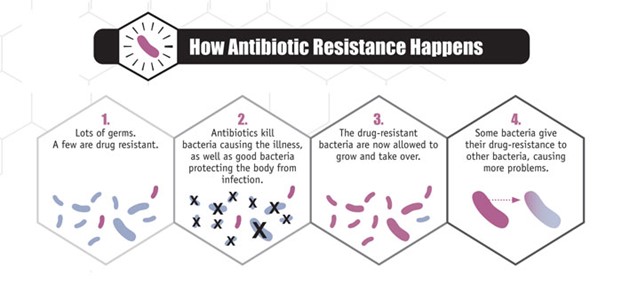
Humans are colonised with microbiota. Upon exposure to antimicrobials, microorganisms with resistant genes survive and proliferate within the host, becoming the dominating colony. Subsequently, other colonising bacteria also acquire resistant genes from the mutated colony, leading to increased resistant populations in individual hosts. Moreover, increasing use of wide-spectrum cephalosporins and fluoroquinolones in patients reduces the intestinal microflora, increasing the colonisation by Clostridium difficile, which can cause severe infective diarrhoea or pseudomembranous colitis.
anti-biotic-resistance

Figure 1. How antibiotic resistance happens (Image from Centers for Disease Control and Prevention)

Apart from mutation, the resistance genes can be transferred from one to another, not only within the same but also between different species. Of several mechanisms, the transmission of plasmids is one important way by which bacteria acquire resistance. Plasmids containing resistant genes, namely R genes, can pass from one bacterial cell to another via conjugation or connecting tubes between bacterial cells. Plasmids can also be packaged into bacteria-specific viruses and transferred via transduction, like in the case of staphylococci and streptococci strains. One of the classic examples of plasmid-mediated acquisition resistance is how Staphylococcus aureus became resistant to methicillin (an antibiotic designed to be the solution to penicillin resistance) within three years of use, resulting in methicillin-resistant Staphylococcus aureus (MRSA). Furthermore, MRSA is currently not just confined within hospitals, but also has spread to the community. Now the increasing use of antibiotics over the past decades has led to further growth of resistant bacterium to crisis levels such as extended spectrum beta-lactamases that inactivate not only penicillin but most cephalosporins and the rise of New Delhi metallo-beta lactamase (NDM-1) carbapenemases which overcome all beta-lactam antibiotics.

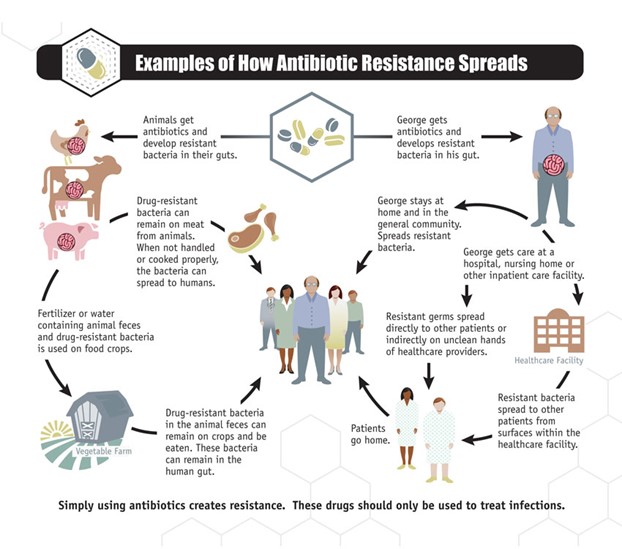
Apart from the transfer of resistance across strains of microorganisms, resistance can also be disseminated among humans and animals. Resistant enterobacteriaceae can be spread via faecal-oral route, especially in areas of poor sanitary practice. Contaminated healthcare workers’ hands can transfer MRSA from one patient to other patients. Sharing of personal items or activities with skin-to-skin contact also increase the spread of MRSA in the community. Veterinarians, livestock handlers and pet owners are also potential carriers of resistant organisms like MRSA.
anti-resistance-spread

Figure 2. How antibiotic resistance spreads (Image from Centers for Disease Control and Prevention)

Resistance spreads geographically too. The ease of international travel nowadays has escalated the rate of human intestinal colonisation of resistant Enterobacteriaceae. Travelling to Asian countries, especially Southeast Asia, is identified to be an independent risk factor that subject tourists to be carriers of extended spectrum beta-lactamase (ESBL) Enterobacteriaceae. Furthermore, NDM-1 is no longer confined to India but has spread to other parts of the world like European countries.

The driver of AMR

Although resistance is part of the natural process for evolution and survival of microorganisms, the rate of resistant generations and the distribution are accelerated via the selection pressure exerted by the use of antimicrobials in human and its application in agriculture, veterinary and others. High rates of antibiotic use in hospitals increase the prevalence of nosocomial infections due to resistant organisms. Moreover, the intensive care setting may have a higher prevalence of infection by multidrug resistant organisms than non-intensive care settings.

A large part of antibiotic use actually comes from outpatient care. A study by US Centers for Disease Control and Prevention (CDC) researchers found that at least 30% of outpatients’ antibiotic prescriptions in the US are unnecessary and nearly half are prescribed for common viral infections such as colds, sore throats, bronchitis and sinus and ear infections. On the other hand, should antibiotics be warranted, the inappropriate selection of antibiotics and unnecessary broad-spectrum coverage is a concern too. Fifty percent of children in the US are prescribed broad-spectrum antibiotics such as azithromycin, amoxicillin/clavulanic acid and cephalosporins, instead of first-line narrow-spectrum antibiotics such as amoxicillin and penicillin, to treat common infections such as streptococcal pharyngitis and acute sinusitis. A meta-analysis of studies shows that antibiotic prescribing in primary care is associated with increased resistance rates. Moreover, after treatment for respiratory or urinary infection, patients can develop and even carry resistant bacteria until 12 months later. This review supports the call to avoid unnecessary prescribing or treat with the least number of antibiotic courses within the shortest period. On the other hand, as travelling to Asian countries is identified to be an independent risk factor that subjects tourists to be carriers of ESBL Enterobacteriaceae, self-treatment with antimicrobials increases the risk further to as high as 80%.

In addition, subjecting patients to prolonged duration of antibiotics at doses below the inhibitory concentration can induce AMR development. When a group of school children was given beta-lactam antibiotics for prolonged duration and/or doses lower than recommended, their pharyngeal carriage of penicillin-resistant Streptococcus pneumoniae increased. Moreover, the antibiotic dosing pattern and duration of treatment may not only affect efficacy but also resistance development. For example, smaller doses of ciprofloxacin at a higher frequency can select resistant Pseudomonas aeruginosa compared to the same total amount given as a single dose as shown by in vitro studies. This association of pharmacodynamic/pharmacokinetic properties of antibacterials and its impact on clinical outcomes, including resistance development, need to be explored further in the interest of prolonging the lifespan of currently available antibiotics.

Apart from use in the treatment of infectious diseases, it is worth noting that antimicrobials are also used as prophylaxis in humans and animals. However, the function as growth promoter, pest control in agriculture and plants, and other commercial uses such as household use has constituted a large part of antimicrobial utilisation. It is also important to note that disposal of antimicrobials or the sewage system may not be handled properly in certain parts of the world, hence polluting the environment and subsequently inducing resistant microorganisms.

Preserving the antimicrobials: Antimicrobial stewardship

Antibiotic resistance rates are escalating, yet the pipeline of new antibiotics is running dry. There have been efforts to identify new chemical molecules but most are not suitable to be developed into drugs. In addition, strict government regulatory requirements complicate and slow new drug registration/approval. Consequently, these challenges have hindered pharmaceutical companies from prioritising investment in antibiotic development. Consequently, the numbers of newly approved antibacterials have been declining. Linezolid and daptomycin are two new drugs introduced for gram-positive pathogens such as MRSA, but development of resistance has already been observed. In contrast, there are so few antibiotics available for use against gram-negative organism, forcing the need to resort to much older antibiotics like colistin which was not favoured earlier due to the side effects such as nephrotoxicity. Therefore, it becomes crucial for us to take steps to conserve the currently available antibiotics and optimise their appropriate use.

Although antimicrobial resistance is inevitable as part of a natural phenomenon, it is driven further by the volume of antimicrobial use. Recognising the trend of AMR, the 68th World Health Assembly in 2015 endorsed a global action plan with the aim to continue the work of preventing infectious diseases and to ensure that quality medicine is safe, effective, accessible and used optimally. The One Health approach, which engages all sectors, is essential to bring these forward and conserve antimicrobials through a stewardship programme.

The goal of antimicrobial stewardship (AMS) is to optimise clinical outcomes while minimising unintended consequences of antimicrobial use, including toxicity, the selection of pathogenic organisms and the emergence of resistance. The Infectious Diseases Society of America (IDSA) and the Society for Healthcare Epidemiology of America (SHEA) has defined AMS as “coordinated interventions designed to improve and measure the appropriate use of antimicrobial agents by promoting the selection of the optimal antimicrobial drug regimen including dosing, duration of therapy and route of administration.” The scope of the guidelines mainly focuses on the inpatient healthcare setting and the implementation requires team work with a clinical pharmacist as the core member.

In general, there are two core strategies of AMS. The first strategy is formulary restriction and preauthorisation which doctors need to seek approval before antibiotics can be prescribed. The second strategy is prospective audit and feedback (PAF) so that the prescriber is given suggestions or comments after antibiotics are initiated which can impact on de-escalation and duration of antibiotic therapy. A stewardship programme led by a pharmacist resulted in a reduction of antibiotic usage by as much as 64%, by performing PAF intervention three days a week in a community hospital. The IDSA guidelines also recommend that the programme can be further supplemented by strategies such as guidelines and clinical pathway, education, de-escalation or streamlining of antibiotic choice, antimicrobial order form, dose optimisation and parenteral to oral antibiotic switch. A systematic review of 37 studies conducted by Wagner and colleagues concluded that AMS programmes in hospitals improve prescribing and microbial outcomes without negative impacts on patient outcomes.

Antimicrobial stewardship in the outpatient setting

Although AMS has been historically focused on the inpatient setting, widespread implementation is necessary by extending the efforts to the outpatient setting, long-term care facilities and even the community. Since 2003, CDC has been promoting the appropriate use of antibiotics in the community through a programme named Get Smart: Know When Antibiotics Work. Several proven effective interventions have been recommended. In combination with education, audit of prescribing compliance to evidence-based practice and feedback to prescribers can help to improve antibiotic prescribing in outpatient settings. Clinical decision supports such as electronic support systems or clinical pathways for common infections also help to facilitate accurate diagnosis and promote appropriate antibiotic use. Delayed prescribing is an effective approach by which patients are not prescribed antibiotics immediately after their clinic visit for infections such as acute upper respiratory infection, but are advised to wait for one to two days or more. A randomised controlled trial shows that delayed prescribing resulted in less than 40% of patients receiving antibiotics and there was insignificant differences among symptom severity and duration and patient satisfaction among those receiving immediate and those receiving no or delayed antibiotic prescription. In addition, this has helped to manage patient perception and expectation on antibiotics for self-limiting infections. Other strategies include academic detailing and poster-based interventions. The display of poster-size letters at clinics stating the clinician’s commitment to not prescribing antibiotics inappropriately has been shown to reduce antibiotic use. A systematic review found that antimicrobial stewardship programmes in outpatient settings with interventions such as education, guideline implementation, delayed prescribing, communication skills training, decision support and laboratory testing are associated with a significant decreased use of antibiotics.

Role of pharmacists in antimicrobial stewardship

AMS requires teamwork. The inclusion of pharmacists as an integral member of the AMS team is an evidence-based recommendation for effective implementation of an AMS programme. With their professional expertise, pharmacists are well placed to optimise the antimicrobial agents use in patient care. Hospital pharmacists assist in antimicrobial selection, dose optimisation and adjustment according to patients’ organ function. Moreover, pharmacists can also advise on de-escalation to antimicrobials with a narrower spectrum and suggest switching from parenteral to suitable oral antibiotics with good bioavailability such as metronidazole. This is achieved by joining ward rounds, performing prescription review and providing feedback to prescribers. In addition, the participation of pharmacists in therapeutic committees helps to maintain formulary and drug use restriction or policy so that AMR development can be minimised. Pharmacists also perform surveillance and drug utilisation reports for clinical and economic analysis.  Quantitative reports of antimicrobial usage in hospitals are reported as defined daily doses per 1,000 occupied bed-days and can be submitted for institutional or national antimicrobial utilisation surveillance programmes.

Preventing unintended effects of antimicrobials

It is also important to have pharmacists’ involvement in the effort of safe medication practice to reduce errors and adverse drug events associated with antimicrobials. Apart from the concern of resistance, antimicrobials can also cause complications of therapy unrelated to its antimicrobial activity, inducing immunological reactions or toxic effects. It is often the major group that cause adverse drug reactions. Hypersensitivity reactions triggered by the penicillin group are not uncommon and often present as fever, rash (maculopapular and urticaria) or anaphylaxis. Macrolides like azithromycin may cause nausea, vomiting, abdominal pain and diarrhoea. In addition, there are also adverse effects specific to the compound such as aplastic anaemia by chloramphenicol. Moreover, antimicrobials account for 19% of emergency visits for drug-related adverse events in US. Apart from genetic factors that make patients more vulnerable, the incidence of antibiotic side effects can be attributed to patients’ age, medical backgrounds and organ functions which often can be avoided by dose adjustment in consideration of drug pharmacokinetics. Pharmacists should always probe if patients have any history of allergies and also help to differentiate the nature of the allergic reaction so that first-line antibiotics can still be used instead of broad-spectrum second-line antibiotics.

Health education and self-care

As most antibiotics are prescribed in primary care, a greater outreach of national and international campaigns promoting antibiotic resistance awareness and rational use will require primary care providers’ involvement. Therefore, it is no doubt that community pharmacists should be a part of the move in promoting public awareness of antibiotic resistance. There is still a large gap in general public knowledge towards antibiotic resistance. A systematic review shows that half of the population do not know that antibiotics are not effective against viral infection, one third is not aware that misuse of antibiotics can promote resistance and almost half practice self-discontinuation of antibiotics when they feel better. Hence, pharmacists, often at direct point of contact, are in the key position to manage patients’ perceptions and expectations of antibiotics. As upper respiratory infections such as acute sinusitis, pharyngitis and bronchitis are often caused by viruses and do not need antibiotics, pharmacists should be able to identify and educate patients on the natural course of such infections and advise on effective self-care management. For example, for a common cold presenting with cough, runny nose and fever, pharmacists can suggest symptomatic relief with paracetamol and a decongestant. Equipping patients with proper self-management strategies and realistic expected duration of recovery helps to reassure them so that unnecessary clinic visits and antibiotic demands are reduced. Nevertheless, it is equally important for pharmacists to recognise when referral to doctors is warranted, such as populations that are immunocompromised and patients with organ failure. If antibiotics are necessary, counselling on the proper use of antibiotics should be provided. The “FRAIS” mnemonic can be used during counselling on antibiotic therapy:

Finish the course;
Regular intervals such as 6-hourly;
After, with or without food;
Interaction;
Side effects.

Patients should also be advised on the proper handling, return and disposal of excess antibiotics and to not share with others.

Public health promotion: Hand hygiene and vaccination

The vicious cycle of resistance development can be prevented by reducing or avoiding the use of antimicrobials. As proper hand hygiene and sanitation is crucial in preventing infection transmission and the spread of resistant organisms, pharmacists should encourage frequent hand washing during their encounters with patients. Furthermore, vaccination should be prioritised and emphasised as it can help to prevent infection and, hence decrease the need for antimicrobials. Increased uptake of influenza vaccination has shown to reduce the use of antibiotics by 10 prescriptions per 1,000 population in Canada. Pharmacists should be involved in screening and promoting routine immunisation among healthcare workers and educating the public on the significant value of vaccines. Therefore, it is essential for pharmacists to keep up to date with the national schedule of immunisation for children and special populations (e.g. the elderly and patients with asthma or chronic obstructive pulmonary disease or immunocompromised patients). Furthermore, public health promotion like smoking cessation to keep the immune system healthy is also a preventive care activity that pharmacists should engage in.

Conclusion

AMR is inevitable and the development is accelerated by the therapeutic and non-therapeutic application in various sectors. The 2014 WHO report has clearly stated that AMR is in an alarming state, leading to increasing clinical and financial burden to healthcare systems worldwide. This is a global concern that requires the One Health approach to tackle antimicrobial utilisation in various sectors including agriculture, veterinary and environment. Pharmacists are one of the key healthcare professionals in the efforts of tackling AMR. As the majority of the antibiotic use in medicine is from primary care, pharmacists in the community setting are well placed to be at the frontier of antimicrobial stewardship, in collaboration with prescribers and also patients. Combating AMR requires teamwork and every stakeholder should play a proactive role to ensure the appropriate use of antimicrobials. Otherwise, the post antibiotic era, when common infections become untreatable and life threatening, will soon become a reality.

Since publication of the 2014 report into AMR and surveillance, the WHO has established the Global Antimicrobial Resistance and Use Surveillance System (GLASS). This has expanded to include 109 countries and territories worldwide. The most recent report summarises the 2019 data that was provided to the WHO in 2020 and provides an overview of surveillance programs and recent developments in AMR.


Cannabis

prescription

prescription

Cannabis, commonly referred to as marijuana, comes from the cannabis plant, namely Cannabis sativa, Cannabis indica and Cannabis ruderalis. Cannabis has traditionally been associated with its illegal recreational use but has gained attention following legalisation in Australia in 2016 for medicinal use. The two main cannabis components, cannabinoids, known for therapeutic effects are delta-9-tetrahydrocannabinol (THC) and cannabidiol (CBD). Currently in Australia, medicinal cannabis is regulated by both Federal and State Legislation.

Legislation of cannabis

Cannabis cultivation, production/manufacture and distribution is highly regulated at both Federal and State level. Two main legislative schemes operate to regulate cannabis – the Narcotic Drugs Act 1967 (ND Act) and the Therapeutic Goods Act 1989 (TG Act). Under the ND Act, the government controls the cultivation, research and manufacture of cannabis by issuing permits and licenses. Under the TG Act, the supply of and export of medicinal cannabis is regulated by the Therapeutic Goods Administration (TGA), either by registering the product or providing unregistered products through the Special Access Scheme (SAS), Authorised Prescriber (AP) and Clinical Trials (CT) streams. Through the SAS or AP streams, unapproved medicinal cannabis can be supplied to the public on a case-by-case approval.

 Types of Medicinal Cannabis

  1. Pharmaceutical cannabis products that are approved by the TGA
  2. Standardised cannabis products that are unapproved but overseen by the TGA
  3. Unregulated and illegal herbal cannabis

Delta-9-tetrahydrocannabinol (THC) and cannabidiol (CBD)

Although cannabis is made up of more than 100 cannabinoids, the two main components known for therapeutic effects are delta-9-tetrahydrocannabinol (THC) and cannabidiol (CBD). Medicinal cannabis products in Australia can contain THC, CBD or combinations of THC and CBD. In addition, trace levels of other cannabinoids and bioactive aromatic compounds such as terpenes may also be present.

THC and CBD modulate their effects by acting on cannabinoid receptors in the central and peripheral nervous systems. The main differences between THC and CBD, is that THC has strong psychoactive effects and is responsible for making a person feel a euphoric ‘high’, whereas CBD does not and is known to dampen the effects of THC.

The therapeutic effects of THC include analgesia, anti-inflammatory, anti-emetic and antioxidant. Therapeutic effects of CBD include anti-epilepsy and antipsychotic.

Indications for Medicinal Cannabis

Indications for therapeutic cannabis use includes treatment in*

  • Chronic pain (endometriosis, neuropathy, Parkinson’s)
  • Chemotherapy-induced nausea and vomiting
  • Neurological disorders – epilepsy, dementia, traumatic brain injury, Parkinson’s disease, Huntington’s disease
  • Irritable bowel syndrome (IBS)
  • Glaucoma
  • Sleep disorders
  • Spasticity – multiple sclerosis, spinal cord injury
  • Psychiatric disorders – depression, anxiety, Tourette’s Syndrome,

Post-traumatic stress disorder (PTSD), schizophrenia, drug addiction

*Note that some of these indications currently lack supporting evidence for medicinal cannabis use. The TGA has published a series of clinical guidance documents that give a summary of evidence for a number of indications in which medicinal cannabis has been prescribed.

Side effects of cannabis

The use of cannabis is associated with paranoia, anxiety and psychosis, including hallucinations and delusions. Other side effects include difficulty concentrating, dizziness, ‘spaced out’, drowsiness, loss of balance, and reduced memory. Cannabis is also an appetite stimulant known colloquially as producing ‘the munchies’. Long-term effects of using cannabis include dependence on cannabis, reduced cognitive function, and worsening of schizophrenia or bipolar disorder.

Routes of administration of cannabis

Traditionally, recreational cannabis use is derived from cannabis plant material. Cannabis that is smoked utilises the unprocessed form of cannabis plant referred to as weed. Weed is the dried leaves and buds of the plant and is commonly smoked in hand-rolled cigarettes, joints. Hashish refers to the preparation of cannabis resins into blocks, and hashish oil refers to the oil collected from the resins, and both can be smoked or infused into food known as ‘edibles’.

Modern medicinal cannabis, on the other hand, can be derived from raw cannabis plant material or synthetically produced molecules in a laboratory. Raw medicinal cannabis plant products, i.e. dried-flower products, can only be prescribed to be vaporised using an approved registered vaporising device in Australia. Medicinal cannabis for oral administration can come from plant or synthetic extracts and include liquids, i.e. oils or tinctures which are swallowed or placed under the tongue and oral capsules which are swallowed.

Poison scheduling of cannabis

Under the Federal TG Act, medicinal cannabis products are classified according to the Australian Poisons Standard. State and Territories then adopt the Poisons Standard scheduling into the state/territory jurisdiction level. There may be slight differences in the regulation at the state/territory jurisdiction level.

Cannabidiol-containing products are Schedule 3 (S3) (Pharmacist only medicine) or Schedule 4 (S4) (Prescription only medicine), with all other cannabis products, i.e. pure delta-9-tetrahydrocannabinol (THC) being categorised as Schedule 8 (Controlled drug). Cannabidiol-containing products in S4 must have 98% of the total cannabinoid content from CBD (note that THC can be a component).

TGA registered and unregistered medicinal cannabis products

There are currently only a few TGA registered medicinal cannabis products. This includes Nabiximols (Sativex®), an oromucosal spray approved for spasticity in multiple sclerosis and cannabidiol (Epidyolex®) used in the treatment of childhood epilepsy. The majority of medicinal cannabis remains unregistered but can be accessed by prescribers via the SAS.

Prescribing cannabis

Although since 1 February 2021, there has been an S3 classification for cannabis CBD, whereby patients could access products over-the-counter at pharmacies, there is currently no such product on the TGA Registry. Thus, patients seeking medicinal cannabis can only do so with a prescription from a doctor.

Prescribers can prescribe medicinal cannabis for any patient with any condition by applying for the necessary approvals. Note that the TGA may require evidence of specialist support for the proposed treatment. Prescribers wanting to prescribe unregistered medicinal cannabis can do so through the SAS through the TGA. Prescribers need to ensure that any unregistered medicinal cannabis prescriptions clearly identify the product/brand and meet any state/territory prescription requirements for the pharmacist to order/supply the product. Unfortunately, there are current hurdles in the supply chain. If a product in which the prescriber has had approved via the SAS is later found unavailable, the prescriber will need to reapply for a new product.

Cannabis and the Pharmaceutical Benefits Scheme (PBS)

The only cannabis product to be listed on the PBS is Epidyolex®. All other cannabis products are currently available privately, and as such, patients should be made aware of the financial impact of being prescribed medicinal cannabis. The typical medicinal cannabis cost range is approximately $5-$15 a day.

Due to medicinal cannabis only being newly legalised in Australia, there is no doubt current barriers to accessing medicinal cannabis products. In addition, there is currently only limited evidence supporting medicinal cannabis products for various conditions, which comes from a lack of studies/clinical trials. Over time, it is expected that with the emergence of sound data, more medicinal cannabis products will become TGA-approved which will, in turn, allow cannabis products to be easily prescribed and dispensed from pharmacies across Australia. Lastly, with legalisation of medicinal cannabis, there has been recent debate in relation to legalisation of recreational cannabis. A number of countries have already moved to decriminalise cannabis, Netherlands, Canada, Spain, Czech Republic, to name a few, so perhaps there is change on the horizons for recreational cannabis.

Melanoma – An Update in Treatment Strategies

Melanoma

Melanoma is one of the cancers that has made great strides in treatment over the past 20 years. Metastatic melanoma was once with a very poor prognosis and no survival benefit from systemic treatment, now shows over 50% of patients may gain durable survival benefit. There are now at least four regimens of immunotherapy and three regimens of targeted therapy that increase survival. Survival curves from clinical studies plateau at the three-year mark, and it is therefore likely that a patient who is alive at three years will gain prolonged cancer remission. Immune therapy has an effect after treatment has been ceased, and clinicians may cease treatment due to the risk of delayed immune-related adverse events and the high cost burden on the healthcare system of perpetual therapy. The challenge with this approach is currently there is no consensus on the length of checkpoint treatment. The initial trials defined a two-year treatment duration, but even shorter treatment durations are appropriate in some patients.

The standard staging method for melanoma is the AJCC-8-TNM system. This traditional TNM staging system also features primary site and depth, extent of ulceration and mitotic rate that can be used to assess the risk of nodal metastasis. Sentinel node status added to the AJCC-8 melanoma staging system greatly improved prognostic ability between node-negative and node-positive disease.

Melanoma is among the solid tumours with the highest mutational burden, and some of these mutations are important targets for treatment. Approximately 50% of melanomas have the BRAF mutation that results in activation of MEK and ERK signalling. This provides the rationale for combined BRAF and MEK inhibition and BRAF testing should be done in stage 3 or 4 melanoma. The AJCC-8 TNM system does not currently include these and other important molecular characterisations. Work is currently underway to develop better staging systems to include prognostic mutations to help guide treatment and outcome of disease.

This article focuses on pharmacological treatment, however surgical intervention should not go unmentioned due to over 90 percent of patients having localised disease. Traditionally wide margins of 5cm were used, and this has recently been revised and shown smaller margins of 2cm or even 1cm being as effective. With sentinel node biopsy, the traditional practice of complete lymph node dissection has changed. Now only nodes receiving direct lymphatic drainage are removed, lessening complications associated with full lymph node dissection. Patients with nodal metastasis can elect nodal observation as well in many circumstances, which has been shown to not increase risk for recurrence.

Advanced melanoma is treated with systemic drugs, both BRAF/MEK inhibition and/or immunotherapy. In BRAF mutation melanoma patients that employ both treatments, the best sequence of treatment is still unknown and depends largely on individual clinical factors and patient choice. Combination therapy with anti-PD-1 and ipilimumab has shown to have higher response rates, progression-free survival (PFS) and overall survival (OS) than anti-PD-1 alone, as well as a reduced need for subsequent therapy. The downside of treating with combination PD-1/ipilimumab is the increased risk and increased severity of immune-related adverse effects.

No comparative studies have been done with BRAF and MEK inhibitor combinations. Therefore, no difference can be ascertained in overall survival or response rates between the different regimens. Combining the PD-1 inhibitor atezolizumab with vemurafenib and cobimetinib has been shown to improve PFS compared to combination BRAF/MEK therapy alone. Symptomatic patients with a large tumour burden may benefit from up-front BRAF and MEK inhibition due to the rapid response associated with targeted therapy compared to immunotherapy.

Interferon was for many years the only option available for adjuvant treatment of melanoma. This, unfortunately, was associated with numerous toxicities and an inconclusive survival benefit. Immunotherapy has been shown to improve survival, and PD-1 inhibition has shown to have benefits in survival and toxicity over ipilimumab. PD-1 inhibition is the current standard adjuvant therapy for patients with stage III resectable BRAF wild-type melanoma. For melanoma stage III BRAF mutation patients, combination targeted therapy with trametinib and dabrafenib is recommended. Twelve months treatment is recommended for adjuvant patients. The threshold for risk of recurrence remains unresolved in adjuvant treatment and no head-to-head comparisons have been performed for BRAF vs immune blockade. There are also ongoing trials for high-risk stage II melanoma and immune checkpoint blockade.

Neoadjuvant treatment is also being explored and a trial investigating BRAF and MEK inhibition was stopped early due to observed benefit of treatment group. Preclinical data and small trials suggest that checkpoint blockade may be more effective before surgery than after surgery, and combination therapy is being explored. The higher response rates associated with combination therapy is also unfortunately associated with adverse effects.

Vaccination development in melanoma has spanned over a hundred years. Tamilogene laherparepvec (TVEC) is a genetically modified herpes simplex virus with decreased virulence and selective intratumoral replication. A phase 3 trial showed durable rates of clinical response and may be an option for patients whom the toxic effects of checkpoint blockade are not acceptable.

The sequence of targeted and immune checkpoint therapy is an area of current research, and the results will guide treatment in the future. There are a number of trials comparing BRAF/MEK inhibition followed by immunotherapy vs immunotherapy followed by BRAF/MEK inhibition. There is also the SECOMBIT trial underway comparing the sequencing of BRAF/MEK inhibition then ipilimumab/nivolumab after eight weeks with two other groups changing after disease progression changing from ipilimumab/nivolumab to BRAF/MEK inhibition and BRAF/MEK to ipilimumab/nivolumab.

Adoptive cellular therapies with the use of tumour infiltrating lymphocytes holds some promise in the future. The infrastructure for scaling up of cell processing now exists, and clinical trials are now underway in combination with interleukin-2 and sequential immunotherapy.

Uveal melanoma is also an area of current research due to immunotherapy being less effective than in the more common subcutaneous subtype of melanoma. New molecules targeting protein kinase C and gp100 are being investigated in clinical trials.

Melanoma is a disease with great improvements in treatment in the past ten years. With current research, the optimisation of treatment involving both surgical and systemic therapy to give even better outcomes will be a factor in the future. Pharmacists can play a pivotal role in ensuring these optimal treatments can be managed by the patient.

New Labelling Standard

Medication-labelling-standards

Medication-labelling-standards

The Australian Commission on Safety and Quality in Health Care (the Commission) has published a new National Standard for Labelling Dispensed Medicines. This document is intended for all health professionals who dispense medicines, including pharmacists, pharmacy technicians, nurse practitioners, general practitioners, optometrists and dentists.

The purpose of the standard is to guide medicine labelling so that the messages conveyed are clear and consistent. Labelling issues have been reported to contribute to a large number of errors. One study suggests that around 46% of patients misunderstand one or more dosage instructions, with this figure rising to 62.7% in patients with low literacy levels. Variability in labelling and terminology use can contribute to this issue.

This new standard supports the quality use of medicines by optimising the delivery of important information via the medicine label. Points considered in the standard include what information is included on the label, the placement of information within the label, and how it should be formatted to improve consumer understanding.

The twelve standards are shown in Table 1.

Table 1. Summary of the twelve standards

Standard Details
1 Prominently display the information that consumers need to take their medicine safely and effectively

  • The font should be as large as possible to maximise legibility
2 Use a standardised format and order so that each element appears in the same place every time
3 Signpost and display the active ingredient name first, followed by the brand name

  • Consistent with the legislation for active ingredient prescribing
  • The brand name only can be used for medicines with four or more active ingredients. However, consumers should still be aware of the importance of knowing which active ingredients are included in the formulation.
  • Medicines listed by brand only that have an increased risk of harm should identify the active ingredient either individually or by class, e.g. ‘contains paracetamol.’
4 Include strength, as a quantity of active ingredient(s) with the relevant unit(s) of measure, after each active ingredient name. Use a clear statement of strength for liquid medicines

5 Include the formulation in full
6 Use numerals (digits) for dosage quantities, except for fractions

  • Consumer testing for the National Guidelines for On-Screen Display of Medicines Information indicate that numerals are easier to understand than written words when interpreting doses.
  • However, user testing for the labelling standard found no difference in the ability of consumers to understand numbers compared to words.
  • Fractions should be written in words to prevent confusion. E.g. write ‘HALF’ instead of ‘½’ as this could be interpreted as one or two.
7 Use explicit and clear dosing instructions

  • For medicines taken multiple times a day, repeating the dose for each dosing time provides clarity. E.g. ‘Take 1 tablet in the morning and 1 tablet in the evening’ may be clearer than ‘Take 1 tablet in the morning and evening’.
  • For medicines that are taken on an ‘as needed’ basis, the maximum dose should be clearly stated.
8 Include the indication for use of the medicine, whenever possible, and consider consumer confidentiality

  • Inclusion of the indication on the dispensing label may help clarify when ‘as needed’ medicines should be taken.
  • Indications should be expressed in simple language, avoiding medical terms that may not be easily understood.
  • Consider patient confidentiality
9 Include the maximum dose, if relevant
10 Express the pack size or quantity with units and place in a separate location from the strength
11 Express discard-by information with a date, if possible

  • The discard-by information will match the manufacturer’s expiry date in most cases. However, for some medicines (e.g. eye drops and reconstituted medicines), the discard-by date will be different. This information should be clearly stated on the label.

E.g. ‘Discard on 1 August 2021’ or ‘Discard 4 weeks after opening’

12 Include a machine-readable verification code on the dispensed label to allow verification of the medicine during the dispensing process

  • The code on the dispensed label can be cross-checked with the code on the manufacturer’s packaging to prevent selection errors.

The standard does not specifically address:

  • Dose forms other than oral solid and liquid dose forms as these were not user tested. However, the general principles of the standard are relevant across all dose forms;
  • Additional warning and advisory labels
    • Mandatory warning labels are listed in the Standard for the Uniform Scheduling of Medicines and Poisons (e.g. medicines listed in Appendix K require a sedation warning)
    • The wording and presentation of other cautionary and advisory labels are guided by the recommendations of the Australian Pharmaceutical Formulary and Handbook
  • Medicine-related information in electronic devices and displays; or
  • Visual aids and other types of labelling.

Safe medicine use is dependent upon clear and unambiguous labelling. Ensuring that patients understand how and when to take their medicines can improve medication adherence and health outcomes. The recommendations contained within the new standard should be applied in conjunction with relevant state or territory legislative requirements.

Prevention of Shingles

Shingles

Shingles, also known as herpes zoster, is caused by the reactivation of the varicella-zoster virus (VZV) in people who have previously had chickenpox. The incidence of shingles increases with age and is most commonly seen in people 60 years of age or older. One in three people will develop shingles in their lifetime, with those who are immunocompromised at greater risk.

Shingles can cause a rash that is characterised by blisters that appear in a dermatomal distribution. Acute pain is often associated with shingles and may develop before the first blisters appear. Pain intensity generally reduces and resolves completely over a period of a few weeks. However, persistent pain can occur. Postherpetic neuralgia is the most common complication of shingles. This condition is defined as pain that persists for at least three months after shingles infection. It occurs in around 10% of all cases, but its incidence increases significantly with patient age.

In 2016, shingles was responsible for over 2,600 hospital admissions and 27 deaths in Australia. Indications for hospitalisation may include:

  • Severe symptoms;
  • Immunosuppression;
  • Atypical presentation;
  • Involvement of more than one dermatome;
  • Significant facial bacterial superinfection;
  • Disseminated disease;
  • Ophthalmic involvement; or
  • Meningoencephalopathic involvement.

Vaccination reduces the risk of shingles and its complications. Shingles vaccination has been available on the National Immunisation Program (NIP) since 2016 in the form of Zostavax®. Zostavax® is a live attenuated zoster vaccine indicated for the prevention of shingles in people 50 years of age and older, and for the prevention of postherpetic neuralgia and the reduction of acute and chronic zoster-associated pain in people 60 years of age and older.

The safety and efficacy of Zostavax® were demonstrated in the Shingles Prevention Study. This large randomised, placebo-controlled trial investigated whether VZV vaccination reduces the incidence, severity, or both of shingles and postherpetic neuralgia in older adults. The VZV vaccine was associated with a 51.3% reduction in the incidence of shingles, a 61.1% reduction in the burden of illness due to herpes zoster, and a 66.5% reduction in the incidence of postherpetic neuralgia. The most commonly reported adverse events included injection site reactions and headache.

While clinical trials demonstrate that Zostavax® is generally safe and effective in older age groups, it is contraindicated in people with current or recent severe immunocompromising conditions. The Therapeutic Goods Administration (TGA) has published a number of safety alerts regarding the risk of disseminated vaccine strain varicella-zoster infection. In Australia, deaths have been reported due to this adverse event, including in people on low dose immunosuppressive medication. A boxed warning was recently added to the product information and consumer medicine information documents regarding this issue. The Department of Health provide a tool that can be used to screen for contraindications to Zostavax®.

There is now an alternative VZV vaccine available in Australia. Shingrix® contains the VZV glycoprotein E and is produced by recombinant DNA technology. It is formulated with an adjuvant to enhance the immune response. Shingrix® does not contain live virus and, therefore, cannot cause disseminated vaccine strain varicella-zoster infection.

Clinical trials for this vaccine demonstrate a 97.2% reduced risk of shingles in patients 50 years of age or older and an 89.8% reduced risk for patients 70 years of age and older. While Shingrix® and Zostavax® have not been compared in head-to-head clinical trials, studies against placebo suggest that Shingrix® may be significantly more efficacious.

Shingrix® is associated with moderately high rates of local and systemic adverse effects, including injection site reactions, fatigue, myalgia, headache, and fever. Patients should be advised of the potential for local and systemic reactions and encouraged to complete the recommended two-dose schedule even if they experience a non-serious reaction with the first dose.

The use of Shingrix® in people with immunocompromise is currently under investigation. Limited safety and efficacy data are available for people with human immunodeficiency virus (HIV) or haematopoietic stem cell transplant. Shingrix® was shown to be immunogenic and well-tolerated in this population. The Australian Technical Advisory Group on Immunisation (ATAGI) recommends that immunocompromised adults 50 years of age and older may receive the Shingrix® vaccine for the prevention of shingles and its complications.

The safety and efficacy of Shingrix® coadministration with the adjuvanted influenza vaccine (Fluad Quad®) or COVID-19 vaccines has not been evaluated. However, non-adjuvanted influenza vaccines may be given concurrently. ATAGI routinely suggests a minimum of seven days between COVID-19 vaccines and other vaccines. However, coadministration is acceptable in some situations. Current recommendations on this issue can be found at the Department of Health.

The current ATAGI advice is that Shingrix® is preferred over Zostavax® for ages 50 years and above. However, Shingrix® is not funded on the NIP and availability is expected to be limited. Zostavax® remains a readily available and effective option that can be considered for immunocompetent people who wish to reduce their risk of shingles.

A brief comparison of the two vaccines is shown in Table 1.

Table 1. Comparison of Shingrix® and Zostavax®

  Shingrix® Zostavax®
Vaccine type Recombinant subunit Live attenuated
Course 2 doses (2-6 months apart) 1 dose
Route IM SC
Registered age group ≥ 50 years ≥ 50 years
Recommended patient group Immunocompetent and immunocompromised Immunocompetent
Availability Private prescription Funded on NIP

Melatonin down scheduling: a brief update

Melatonin

As of the 1st of June 2021, the entry for melatonin in the Poisons Standard was amended to enable the use of specific melatonin formulations under the Schedule 3 classification.

The following criteria must be met before supplying melatonin under the new Schedule 3 entry:

Melatonin tablets must be:

  • Modified release containing 2 mg or less of melatonin in packs of no more than 30 tablets
  • Used for the short-term treatment of primary insomnia (characterised by poor quality of sleep)
  • Used as monotherapy in those aged 55 years or older

What is insomnia?

Some of the essential features of insomnia as described by the Diagnostic and Statistical Manual of Mental Disorders Fifth Edition (DSM-5) include a dissatisfaction with the quality or quantity of sleep and difficulty initiating sleep or maintaining sleep. These features should be present despite the adequate opportunity for sleep. Additionally, the poor sleep is associated with distress and/or functional impairment.

‘Primary insomnia’ results from an unknown cause and is not related to other factors such as a contributing medical condition (for example, sleep apnoea) or substance (for example, alcohol).

Australian data published in 2019 suggests that almost 60% of adults report at least one troubling sleep symptom (for example, difficulty staying asleep) on three or more nights of the week.

What is melatonin and how is it used in primary insomnia?

Melatonin (N-acetyl-5-methoxytryptamine) is a hormone produced primarily by the pineal gland in response to the influence of daily light exposure and darkness. One of melatonin’s key functions is to regulate sleeping and the circadian rhythm. During the day melatonin levels are relatively low, whereas the levels increase in the evening, and peak between 1:00 am and 4:00 am.

Research suggests that with increasing age the patterns of melatonin secretion and metabolism change, resulting in decreased nighttime melatonin concentrations. This decline in melatonin production that occurs with age led to the recommendation that it be used only in patients over 55 years old. Randomised controlled trial data support benefits from using modified-release (MR) melatonin in those aged 55 years or older, and a relative lack of benefit in younger groups. Benefits associated with the use of MR melatonin include improvement in quality of sleep, morning alertness, and reduced sleep onset latency. Between 30% to 50% of patients 55 years or older respond to the use of 2 mg of MR melatonin given 1 to 2 hours before bed compared to placebo.

When researchers investigated the efficacy of MR and immediate-release formulations of melatonin compared to other agents commonly available over-the-counter (including doxylamine, diphenhydramine and valerian), a 2015 systematic review suggests that the use of MR melatonin displays the most consistent evidence of benefit compared to placebo.

Has melatonin been associated with many side effects?

Adverse effects associated with melatonin occur with a relatively low frequency (comparable with placebo), and melatonin is considered to be well tolerated. Adverse effects that have been reported most frequently were headache, diarrhoea, upper and lower respiratory tract infections, nasopharyngitis, and arthralgia.

Of note, the use of melatonin does not reduce morning alertness, has not been found to be associated with impaired memory or disrupted psychomotor functioning, and has not been found to be associated with rebound insomnia on discontinuation.

Additional resources

Guidelines are available to support pharmacists in the provision of Schedule 3 melatonin, and pharmacists are encouraged to familiarise themselves with these resources. For example, the ‘Non-prescription medicine treatment guideline: Insomnia’ is available in the Australian Pharmaceutical Formulary (APF) and is also available on the Pharmaceutical Society of Australia (PSA) website.

Modules have been made available for pharmacists to complete, such as the Melatonin for Insomnia online module available on GuildEd – successful completion of this module can contribute up to 2 CPD points and is available from https://guilded.guild.org.au/course/view.php?id=1040.