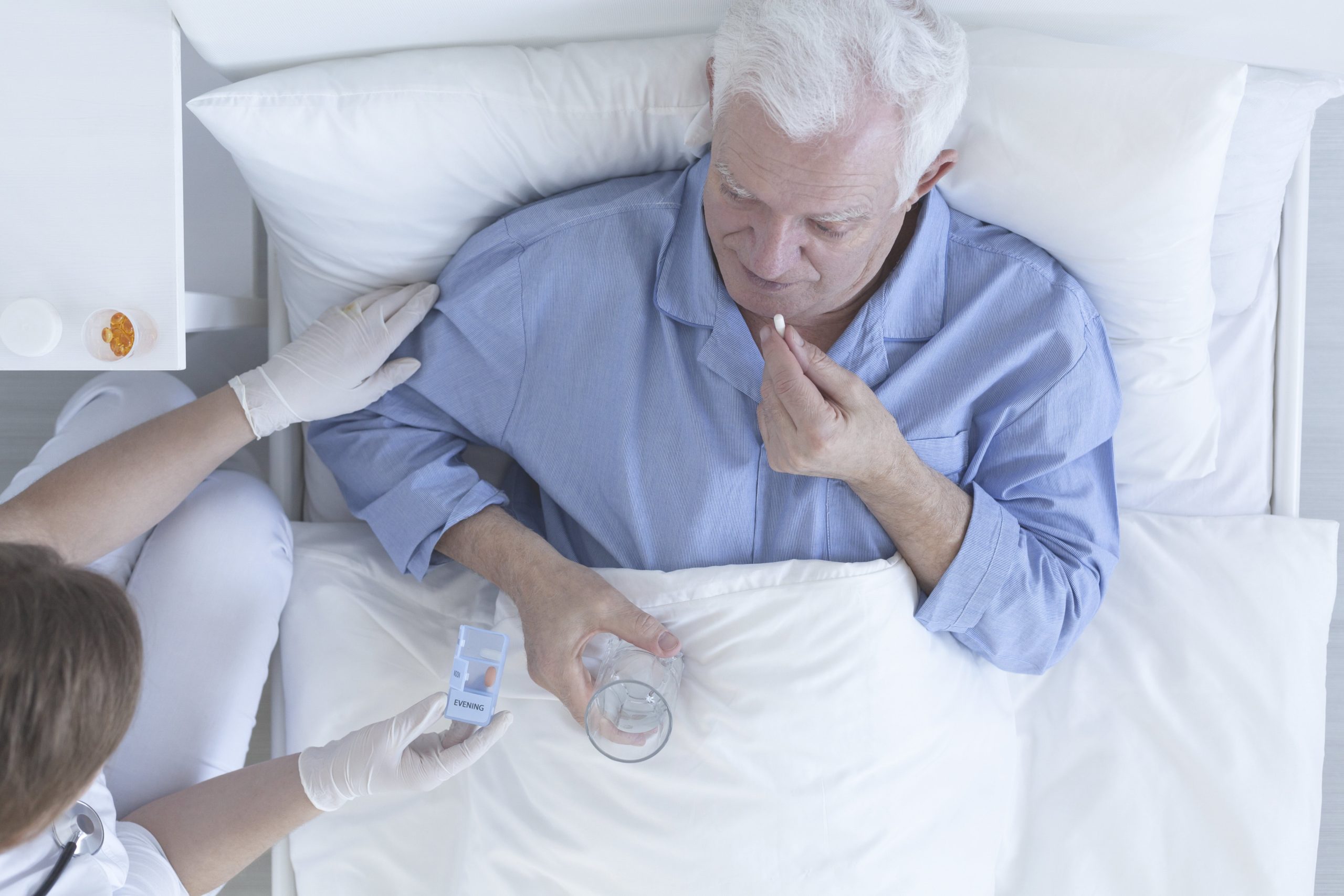
Dementia Literacy

“Health literacy means being able to access, understand, appraise and use information and services in ways that promote and maintain good health and well-being.” WHO 2024

The term “health literacy” has a long history. It was first used by Scott K. Simonds in 1974 in a monograph entitled “Health Education as Social Policy”.

Many permutations of the concept of health literacy (HL) have emerged since then, with an easy and elegant definition from Kendir and Breton (2020) which states that “Health literacy (HL) is increasingly hailed as a strategy to improve the control individuals have over their health.”

The application of this generic concept to dementia, in the form of dementia literacy (DL), has also undergone various revisions with no consensus on the agreed definition. (Lo 2020). However, a comprehensive definition has been suggested by Fernandez Cajavilca and Sadarangani 2024:

“Dementia literacy is defined as the ability to acquire dementia-related knowledge to inform decision-making, self-identify gaps in caregiving support, and secure access to necessary resources to enable long-term care, all while maintaining relationships with an interdisciplinary team of specialized providers.” (Fernandez Cajavilca and Sadarangani 2024).

As can be seen, this definition is strongly patient-centred. It, therefore, encourages active engagement by persons living with dementia in their own healthcare, disease prevention, health promotion and activities of daily living. (Sørensen et al., 2012).

Does DL improve the lives of people living with dementia?

In brief, the answer is yes. According to  Nguyen, Phan et al. 2022: “There is evidence for the positive impact of dementia literacy interventions on different groups of non-health-professionals.”

Importantly, knowledge of dementia has been shown to be significantly associated with the psychological wellbeing of caregivers.  As has been noted by Fernandez Cajavilca and Sadarangani 2024, DL for caregivers “can potentially buffer many of the adverse consequences of caregiving such as emotional distress and chronic illness.” (Fernandez Cajavilca and Sadarangani 2024).

Thie impact on caregivers must not be diminished in importance. In 2020, it was estimated that 57 million people were currently living with dementia and by 2050, it is predicted that this number will increase by nearly 300%, most rapidly in low- and middle-income countries.  Unfortunately, the impact on caregivers is substantial with 75% reporting that they had one or more physical or emotional effects due to the caring role.

Aside from the benefits to caregivers, continuously improving DL is also vital for all members of the clinical health care team.

Community pharmacist:

Because of their training and ready availability, community pharmacists are an ideal point of contact for cognitive impairment screening. The pursuit of ongoing education in dementia-related factors and issues would improve this screening and referral capacity. (Ramos, Moreno et al. 2021)

Doctors:

Turner, Iliffe et al. (2004) have suggested that “Educational support for general practitioners should concentrate on epidemiological knowledge, disclosure of the diagnosis and management of behaviour problems in dementia. The availability and profile of support services, particularly social care, need to be enhanced, if earlier diagnosis is to be pursued as a policy objective in primary care.”

Aged care staff:

Aged care staff are in the front line of those who care for people living with dementia as 52% of people living in Australian Residential Aged Care Facilities (RACFs) have dementia.

Pleasingly, the DL of RACF staff is significant, with approximately 77% (n = 137) aware of dementia-specific education, and 66% (n = 115) completing education in the previous 2 years. However, on a negative note “only 27% of staff had accessed dementia‐specific services, and only two thirds (66%) had accessed dementia‐specific education in the previous 2 years.” (Williams, Ockerby et al. 2021)

An excellent starting point for all who are involved in the care of people living with dementia is the “Understanding Dementia” Massive Open Online Course (MOOC), which has been developed by Wicking Dementia Research and Education Centre at the University of Tasmania. It is a free nine-week online course that builds upon the latest in international research on dementia.

The curriculum draws upon the expertise of neuroscientists, clinicians and dementia care professionals at the Wicking Centre.  I completed this course in September 2024 and strongly endorse it.

Allergies and Antimicrobial Resistance

World Antimicrobial Resistance (AMR) Awareness Week is celebrated each year from the 18th to the 24th of November. This campaign aims to raise awareness and understanding of AMR, with the ultimate goal of improving antimicrobial use to limit the impact of AMR.

Antimicrobial resistance poses a significant threat to global health. It is estimated that 4.95 million deaths were associated with bacterial AMR in 2019 alone. At the United Nations General Assembly High-Level Meeting on AMR held in September this year, world leaders committed to decisive action. The goal set at this meeting was to reduce AMR-related deaths by 10% by 2030.

In regards to human health, one of the actions that has been suggested to reach this target is to ensure that at least 70% of antibiotics used globally belong to the World Health Organization (WHO) Access group of antibiotics.

The WHO has grouped antibiotics into the following three categories based on their clinical importance and potential for the selection of AMR:

  1. Access antibiotics have a narrow spectrum of activity, are generally well tolerated and have a lower potential for AMR. These agents should be widely available and are often listed in guidelines for the empiric treatment of common infections;
  2. Watch antibiotics typically have a higher risk of selection for AMR, and their use should be carefully monitored to avoid inappropriate use; and
  3. Reserve antibiotics are considered last resort antibiotics that should be reserved for treating severe infections caused by multi-drug resistant pathogens.

This is known as the AWaRE (Access Watch Reserve) classification system and can indirectly indicate the appropriateness of antibiotic use. Examples of antibiotics belonging to each group are shown in Table 1.

Group Example medications
Access Amikacin

Amoxicillin, amoxicillin + clavulanic acid, ampicillin, benzathine benzylpenicillin, benzylpenicillin, phenoxymethylpenicillin, procaine benzylpenicillin

Cefalexin, cefazolin

Chloramphenicol

Clindamycin,

Doxycycline

Gentamicin

Metronidazole

Nitrofurantoin

Sulfamethoxazole + trimethoprim

Trimethoprim

Watch Azithromycin

Cefotaxime, ceftazidime, ceftriaxone, cefuroxime

Ciprofloxacin

Clarithromycin

Meropenem

Piperacillin + tazobactam

Vancomycin

Reserve Ceftazidime + avibactam

Colistin

Fosfomycin

Linezolid

Polymyxin B*

*Only available via special access scheme (SAS)

Table 1. Examples of antibiotics included in the AWaRE groupings

The WHO publishes the AWaRe Antibiotic Book, which provides guidance on antibiotic choice (including drug, formulation, dose, and duration) in hospital and primary healthcare settings. Importantly, the book also includes guidance on when not to use antibiotics.

Allergy labelling

When looking at the Access group of antibiotics, we can see that beta-lactams feature quite prominently. This is because the penicillins and cephalosporins in that group are among the most effective and safe antibiotics for many infections. However, alternatives to these medications may be needed in the case of allergy.

Penicillin allergy is commonly reported in Australia, with around 10% of the population stating that they are allergic to penicillin. However, studies demonstrate that less than 10% of people reporting a penicillin allergy have a true allergy upon skin testing. There are many possible reasons for this apparent discrepancy. Patients may confuse common adverse effects, such as diarrhoea or nausea, with an allergy. In other cases, a viral rash may be misinterpreted as an allergy if the patient happens to be taking a penicillin at the same time.

Incorrect labelling of penicillin allergy has been identified as a major public health concern. Potential outcomes associated with this include:

  • Increased use of alternative antibiotics, which are often broader spectrum;
    • Broader spectrum alternatives are associated with an increased risk of AMR and iatrogenic infections, such as Clostridioides difficile-associated diarrhoea.
    • Alternative antibiotics are typically more expensive.
    • Alternative antibiotics may not be as well tolerated
  • Treatment delays; and
  • Longer hospital stays.

Accurate documentation of patient allergies is, therefore, crucial. A detailed clinical history should be taken whenever an antibiotic allergy is reported. Patients should be asked about the nature and severity of the reaction, when it occurred, how it was managed, and if other antibiotics have since been tolerated.

In some cases, de-labelling a reported penicillin allergy may be possible after appropriate assessment (i.e. allergy history reconciliation or allergy testing). Studies have found that penicillin allergy de-labelling is associated with reduced AMR, reduced patient morbidity and mortality, and lower treatment costs. Just as importantly, detailed patient assessment also allows for verification of true penicillin allergy.

Allergy testing may be considered for some patients. The Australasian Society of Clinical Immunology and Allergy (ASCIA) recommends that penicillin allergy testing be prioritised for the following patient groups:

  • Patients who have frequent infections and require antibiotics several times per year;
  • Patients who have infections for which penicillins are the most appropriate antibiotic;
  • Patients who are allergic or intolerant to other antibiotics in addition to penicillins;
  • Patients with risk factors for infections requiring frequent antibiotic use (e.g. immunodeficiency, significant immunosuppressive therapy, bronchiectasis); and
  • Patients with asplenia or who are undergoing splenectomy.

Antimicrobial resistance continues to be a significant health concern. However, there are actions that can be taken to help minimise the impact. Accurate documentation of adverse reactions is just one simple way that healthcare professionals can play their part in reducing AMR, while also directly improving patient outcomes.

To learn more about AMR, head to the WHO campaign page.

Respiratory Syncytial Virus


In January 2024, the Therapeutic Goods Administration (TGA) approved the first respiratory syncytial virus vaccine – Arexvy®. ATAGI (Australian Technical Advisory Group on Immunisation) issued guidelines recommending the vaccine for all people ≥ 75 years of age. ATAGI has also recommended the vaccination for people 60-74 years of age with medical conditions (RSV infection increases risk of severe disease) and Aboriginal and Torres Strait Islander people over the age of 60 years.

Arexvy® is highly effective as it reduces the incidence of lower respiratory tract infections by 83% and severe RSV infections by 94%. Arexvy® is currently not available on the Pharmaceutical Benefits Scheme (PBS). However, there is an expectation that it will be added to the National Immunisation Program, in time.

RSV is a common respiratory disease that causes cold-like symptoms. In severe cases, infection can spread and cause pneumonia or bronchiolitis. It is very common in children. Virtually all children are infected before the age of two. However, in recent years there has been a greater awareness of RSV infection in adults, particularly those over the age of 60. Immunocompromised individuals regardless of age are also at a higher risk of getting RSV and having a more severe infection requiring hospitalisation.

RSV has been around for a long time, but it’s been under recognised and only became a notifiable disease in 2021. It is a very contagious virus. Infected individuals are likely to infect three other people. Natural immunity to RSV is very short lived and hence repeated infections are typical throughout life. The virus is spread through aerosol droplets formed from coughs or sneezes.

Most adults over 60 would probably have had RSV 6-10 times. But it may have been interpreted as a common cold or influenza as their symptoms may have been mild.
Triple combination rapid antigen tests (RATs) incorporating influenza A and B, RSV and COVID-19 are available at pharmacies. Polymerase chain reaction (PCR) tests for influenza A and B, RSV, COVID 19, adenovirus, and others are also available.

Like the common cold, there is no specific medication for RSV. Treatment is symptom based. In temperate and colder climates, RSV has a late autumn to winter season, similar to influenza. In subtropical areas, it can be earlier because of the warmer weather. In Northern Territory, it can be in the wet season. However, anytime is a good time to get vaccinated against RSV. A need for revaccination has not been established yet as per the product information.

RSV infections can exacerbate existing medical conditions. For older Australians with co-morbidities like asthma, diabetes, chronic obstructive pulmonary disease (COPD), heart failure, chronic kidney disease, and coronary artery disease, vaccination is particularly important as they are more likely to be hospitalised. Among patients with COPD, 80% experienced an exacerbation during an RSV associated hospitalisation.

About 25% of people aged over 60 who are hospitalised with RSV will require home care when discharged. And about 25% will be readmitted to hospital within 3 months. About 33% of people aged 75 years and older will die within one year of admission to hospital with RSV. Many people do not get back to their normal function level. It can really impact on people’s quality of life, their emotional, physical and cognitive functioning, and their sleep. It’s a bit similar to the long-term effects we’re seeing after COVID 19 infection.

Antibiotic-Associated Diarrhoea

Diarrhoea is a common adverse effect associated with antibiotic therapy. Almost all antibiotics can cause diarrhoea due to disruption of the normal microflora of the gut. However, antibiotics with the greatest risk are those that are broad-spectrum and those with activity against anaerobic bacteria.

Antibiotics with a particularly high risk of causing diarrhoea include:

  • Lincosamides (i.e. clindamycin, lincomycin)
  • Aminopenicillins (i.e. amoxicillin, ampicillin)
  • Aminopenicillin + clavulanic acid combinations
  • Cephalosporins
  • Quinolones

Other factors that may increase the risk of antibiotic-associated diarrhoea include older age (i.e. over 65 years), immunosuppression, prolonged hospitalisation, and the concomitant use of a proton pump inhibitor.

Antibiotic-associated diarrhoea is often mild, with symptoms generally resolving soon after the course is finished. In many cases, no specific treatment is required. However, severe presentations can occur that require medical intervention.

Severe presentations

Clostridioides difficile (previously known as Clostridium difficile) is a major pathogen involved in antibiotic-associated diarrhoea. This anaerobic spore-forming bacteria is thought to be responsible for up to 25% of all antibiotic-associated diarrhoea and almost all cases of pseudomembranous colitis.

Pseudomembranous colitis is a severe inflammation of the intestinal lining and a serious complication of antibiotic use. This condition results from disruption of the normal microbiome, which allows for the overgrowth of C. difficile. This bacterium can produce toxins, most notably toxin A (TcdA) and toxin B (TcdB).

While both toxin A and toxin B are cytotoxic, toxin B is between 100 and 1,000 times as potent as toxin A. Up to 12% of strains infecting humans also produce a third toxin, known as binary toxin or C. difficile transferase (CDT). The presence of CDT is usually associated with higher virulence, which may be related to enhanced adherence of C. difficile to the intestinal epithelium.

The clinical presentation of pseudomembranous colitis typically includes profuse, watery or mucoid diarrhoea, fever, and abdominal cramps. Blood may also be present in the stool. On endoscopic examination, pseudomembranes can be seen. Potential complications include toxic megacolon, colonic perforation, and shock.

C. difficile infection can occur at any time during antibiotic use and for some months after completing the course.

Treatment of C. difficile infection

Any antibiotics implicated in causing the antibiotic-associated diarrhoea should be ceased wherever possible. The timely discontinuation of causative antibiotic therapy is associated with a reduced risk of recurrence and may also improve symptoms.

The Therapeutic Guidelines make the following recommendations for the treatment of adults with a first episode of C. difficile disease:

Mild to moderate disease

  • Metronidazole 400mg orally or enterally, 8-hourly for 10 days OR
  • Vancomycin 125mg orally or enterally, 6-hourly for 10 days.

Severe disease

  • Vancomycin 125mg orally or enterally, 6-hourly for 10 days.
    • In complicated cases, add metronidazole 500mg IV, 8-hourly for 10 days
    • In the presence of ileus, consider adding vancomycin 500mg in 10mL sodium chloride 0.9%. Administer as a retention enema every 6 hours.

Expert advice is required for all patients with severe disease. A patient would be considered to have severe disease if they have leucocytosis, severe abdominal pain, elevated serum creatinine, elevated blood lactate, low serum albumin, high fever, or organ dysfunction.

Vancomycin must be given orally or enterally for the treatment of C. difficile infection. Intravenous vancomycin is ineffective in these cases as it has poor penetration into the lumen of the colon. It is also worth noting that vancomycin has poor oral absorption. Therefore, the oral route is not appropriate for the treatment of any systemic infection.

Vancomycin is available as a capsule for oral administration. The capsules may be given without regard to food but should be swallowed whole. As the capsules contain a semi-solid material, they are not appropriate for administration via an enteral feeding tube. Alternatively, the injectable form can be given orally or enterally. For example, a 500mg vial of vancomycin powder for injection can be dissolved in 10mL of water for injection to give a 50mg/mL solution. Vancomycin does have a very unpleasant taste; flavouring syrups may be added prior to administration to improve palatability.

Other therapies

  • Fidaxomicin

Fidaxomicin is sometimes used for the treatment of recurrent or refractory disease. The Therapeutic Guidelines do not currently recommend fidaxomicin for the treatment of severe disease due to a lack of data in this setting. However, some international guidelines do recommend fidaxomicin as a first-line option for initial infections. For example, the 2021 update to the Clinical Practice Guideline by the Infectious Diseases Society of America (IDSA) and Society for Healthcare Epidemiology of America (SHEA).

Fidaxomicin is a novel antibiotic known as a macrocycle. It has a narrow spectrum of activity, being bactericidal against C. difficile and minimally active against other flora of the gastrointestinal tract. Due to its poor oral absorption, its activity is predominantly confined to the intestinal lumen.

Two randomised controlled trials comparing fidaxomicin and oral vancomycin found similar rates of diarrhoea resolution at ten days (88% vs 86%, respectively). However, sustained clinical response was superior for fidaxomicin (71% vs 57%).

The usual dose is 200mg orally twice daily for 10 days. Tablets can be taken without regard to food and may be crushed if required. Patients who are allergic to macrolide antibiotics (e.g. azithromycin, clarithromycin) may have a higher risk of fidaxomicin hypersensitivity.

  • Rehydration

When treating C. difficile infection, the importance of rehydration in addition to antibiotic therapy should not be underestimated. Oral rehydration may be sufficient for patients with minimal or no dehydration. However, parenteral rehydration is recommended if ileus or features of severe dehydration are present.

A variety of oral rehydration products are available. While some are ready to use, many require reconstitution. Incorrect preparation of these products can worsen dehydration. Therefore, it is important that they are always prepared exactly as directed.

Sodium chloride 0.9% or lactated Ringer solution are often used for intravenous rehydration. If the intravenous route is not appropriate, sodium chloride 0.9% may be administered via the subcutaneous route.

  • Antimotility agents

Antimotility agents have traditionally been avoided in patients with active C. difficile infection. This is due to the belief that these agents may increase the risk of complications by prolonging the intestinal contact time of bacterial toxins.

Some small studies have challenged this idea, suggesting that antimotility agents may be safe for C. difficile infection when administered in conjunction with appropriate antimicrobial therapy. However, larger randomised studies are required to confirm what place antimotility agents may have. The product information for loperamide and diphenoxylate cites pseudomembranous colitis as a contraindication to their use.

Antimicrobial optimisation

Antimicrobial resistance has been highlighted as one of the causes of epidemic outbreaks of C. difficile. Polymerase chain reaction (PCR) ribotyping is a molecular typing technique often used with C. difficile to facilitate surveillance and outbreak investigations. C. difficile ribotype 027 has been found to have reduced susceptibility to many antibiotics, including metronidazole, rifampicin, moxifloxacin, clindamycin, and imipenem. This strain is also considered to be hypervirulent, with higher morbidity and mortality rates compared to other strains. Outbreaks of ribotype 027 have occurred in Australia and many countries worldwide.

Antimicrobial stewardship (AMS) is a crucial strategy to limit the emergence of antimicrobial resistance. The goal of AMS programs is to promote and support the optimal use of antimicrobials. Activities that fall under the AMS umbrella include audits, formulary restrictions, therapeutic drug monitoring, and education. One meta-analysis demonstrated that AMS activities could reduce the incidence of C. difficile infections by 32% in hospital patients.

The Australian Commission on Safety and Quality in Healthcare (the Commission) has been monitoring the national burden of C. difficile infection in Australian public hospitals since 2016. The most recent data published by ACSQHC shows that separations with a diagnosis of C. difficile infection increased by 29% from 2020 to 2021.

However, the rate of healthcare-associated hospital-onset infection has been declining over recent years. This suggests that hospital-based strategies to prevent C. difficile infection are effective. The implementation of effective AMS programs is thought to be one of the most important strategies in reducing the risk of C. difficile. The Commission notes that reducing the inappropriate prescribing of antimicrobials has significantly impacted the incidence of hospital-associated infection. Other effective measures highlighted by the Commission are early detection and appropriate testing, environmental cleaning programs, the use of single rooms and en-suites, and transmission-based precautions in addition to standard precautions for symptomatic patients.

Optimising infection control measures and minimising unnecessary antibiotic use should be prioritised within the hospital environment to reduce the burden of C. difficile disease.

Medicines and Breastfeeding

It is well known that breastfeeding offers tremendous health benefits to both the child and mother. Breast milk provides the best nutrition for a newborn and adapts to their nutritional requirements as they develop. It contains a complete range of vitamins, minerals, and fats in an easily digestible form. In addition, breast milk includes a complex array of proteins that protect against various infections and allergies. The World Health Organization (WHO) recommends that breastfeeding be initiated within the first hour of birth and that children be exclusively breastfed for the first six months of life.

It is clear that women should be supported to initiate and continue breastfeeding. However, there are some medications that may pose challenges during lactation. The benefits of breastfeeding are such that it should be encouraged unless there is substantial evidence that the drug will harm the infant and no alternative is available.

Principles of medicine transfer from mother to infant via breastmilk

Almost all medicines transfer into breastmilk to some extent. The quantity of medicine transferred is directly related to the amount in the maternal blood. The maternal blood level depends upon the maternal dosing regimen and the pharmacokinetics of the drug in question (i.e. bioavailability, volume of distribution, clearance, half-life).

Transfer mostly occurs via passive diffusion, with greater transfer occurring in the presence of low maternal plasma protein binding and high lipid solubility. However, some drugs are actively transported into breastmilk by membrane transporters, resulting in increased levels in the breastmilk. Examples of medications that are actively transported include nitrofurantoin and aciclovir.

Factors that affect the amount of medication transferred to the infant include:

  • Maternal plasma protein binding – free unbound drug diffuses into the breastmilk more readily than drugs that are highly protein bound (e.g. sertraline is 98% protein bound with minimal transfer into breastmilk; venlafaxine is 27% protein bound with higher transfer);
  • Size of the drug molecule – most drug molecules are small enough to enter breastmilk. Exceptions include heparins and insulin, which are too large; and
  • Extent of ionisation – drugs cross membranes in the un-ionised form. Breastmilk is typically slightly more acidic than plasma (pH 7.2 versus pH 7.4). Therefore, weak organic acids (e.g. penicillins) tend to be ionised in the maternal plasma, reducing their ability to pass into the milk. Conversely, weak organic bases (e.g. oxycodone, codeine) transfer into the milk, where they become ionised and unable to pass back to the maternal plasma.

While most medications do transfer into breastmilk, the amount is usually small and unlikely to harm the infant. However, the following points should be considered:

  • Could the medication be safely prescribed to an infant?
    • The doses transferred via breastmilk are typically much lower than what would be administered as a therapeutic dose if given directly to the infant. Therefore, if the medication is considered safe to be prescribed to an infant, it is generally considered safe for the mother to take during lactation.
  • Was the baby full-term and well?
    • The risk of medication toxicity is higher in unwell and preterm infants
  • What route is being used to administer the medicine?
    • Topical administration could be expected to have a lower risk than systemic administration for most medicines due to lower maternal plasma levels.

Effect on infant

The relative infant dose (RID) is the weight-adjusted dose received by the infant via breastmilk compared to the mother’s dose. An RID of less than 10% is generally considered safe unless the drug has particular safety issues (e.g. cytotoxics).

If a drug is passed into the breastmilk, there are many factors that influence the effect this may have:

  • Timing of the dose – e.g. feeding the baby just before the mother takes a dose may reduce infant exposure, particularly for agents with short half-lives (this strategy is often impractical for young infants who require frequent feeds);
  • Oral bioavailability (e.g. gentamicin is very poorly absorbed when taken orally; therefore, gentamicin ingested via breastmilk is unlikely to be absorbed systemically);
  • Half-life of the drug (longer half-life increases the risk of accumulation in the infant); and
  • Infant clearance.

Infants have a lower drug clearance than adults, and this is particularly limited in premature infants. In general, adult glomerular filtration rates (adjusted for surface area) are reached by five to six months of age and adult hepatic metabolic capacity by around 12 months of age. Due to the limited rates of hepatic metabolism in young infants, the bioavailability of drugs with high first-pass metabolism may be higher in very young infants.

Studies suggest that most adverse effects related to drug exposure from breastmilk occur in newborns and babies under two months, with few occurring in infants older than six months.

Drugs affecting breastmilk production

Some medications can affect milk production or composition. This may be due to effects on prolactin, a hormone that is required for milk secretion. Dopamine can act on the pituitary gland to reduce prolactin secretion. Therefore, dopamine antagonists may increase prolactin production, and dopamine agonists can suppress lactation.

Dopaminergic drugs, such as cabergoline and bromocriptine, have been used to prevent the onset of lactation when clinically indicated. Cabergoline is generally preferred in this setting as it has fewer adverse effects. When used for this purpose, it should be given during the first day post-partum. The recommended dosage is 1mg as a single dose. Bromocriptine has rarely been associated with seizures, stroke, myocardial infarction, hypertension, and psychic disorders when used to suppress lactation.

Many medications antagonise dopamine to some extent. The dopamine antagonists, domperidone and metoclopramide, have been used to stimulate lactation. Shen et al. (2021) conducted a meta-analysis to evaluate the safety and efficacy of these agents in breastfeeding women. They found that domperidone was associated with a significant increase in daily milk volume when taken by mothers with preterm infants and low milk supply. No significant difference was seen for metoclopramide.

Drugs that are hazardous in breastfeeding

While almost all drugs are transferred into the breastmilk to some degree, the amount is generally small and unlikely to cause adverse effects in the infant. However, some medications should not be taken during breastfeeding. Some examples are shown in Table 1.

Table 1. Drugs that are hazardous in breastfeeding

Medication Reason
Amiodarone May affect thyroid function in the infant. Long and variable half-life (~14-59 days)
Antineoplastics* Bone marrow suppression. Unknown effect on growth and potential for carcinogenesis.
Gold salts Rash, nephritis, haematological abnormalities
Iodine (>150mcg daily) Risk of hypothyroidism
Lithium Breastfeeding may be appropriate in conjunction with rigorous monitoring
Radiopharmaceuticals Specialist advice required
Retinoids (oral) Potential for serious adverse effects in infant

*Low doses used for non-neoplastic indications may be appropriate for some medications (e.g. mercaptopurine, azathioprine).

If a short course or single dose of a hazardous drug is used, it may be possible for breastfeeding to resume after a suitable washout period. The serum half-life of the drug is often used as a proxy for the half-life of the drug in breastmilk. After three half-lives, the amount of the drug eliminated by the mother is 87.5%; this increases to 94% after four half-lives, 97% after five half-lives, and 99.99% after ten half-lives.

Breastmilk should continue to be expressed during the prescribed washout period to maintain supply. For drugs with long half-lives, the required washout period may not be practical.

Safety of commonly used drugs

Antibiotics

Antibiotics are some of the more commonly used medications in breastfeeding women. Most are considered safe, although they may cause loose bowel actions in the infant.

  • Penicillins – considered safe. There is no published data on the excretion of clavulanic acid into breastmilk. However, combinations of amoxicillin + clavulanic acid are often used;
  • Cephalosporins – considered safe. These agents are transferred into breastmilk in low quantities. No data for ceftaroline, ceftolozane or ceftazidime + avibactam;
  • Quinolones – generally considered safe. Theoretical risk of arthropathies, although this has only been reported in infants taking these agents directly. The calcium present in breastmilk may prevent or reduce infant absorption of quinolones found in breastmilk;
  • Gentamicin – considered safe. Low transfer and low oral bioavailability;
  • Macrolides – considered safe;
  • Rifamycins – may be used.  Patients should be warned that rifampicin and rifabutin can discolour breast milk. Rifaximin has very low absorption from the gastrointestinal tract;
  • Tetracyclines – short courses are generally considered safe. Prolonged therapy should be avoided due to the potential risk of adverse effects on teeth and bone development; and
  • Vancomycin – considered safe to use (low levels found in breastmilk and poor oral absorption).

Analgesics

Paracetamol is considered safe to use and is the analgesic of choice. Non-steroidal anti-inflammatory drugs (NSAIDs) may also be used. Ibuprofen is often the preferred NSAID as the amount transferred into breast milk is very low, it has a short half-life, and it is safely used in infants. Agents with longer half-lives (e.g. piroxicam) are typically avoided.

The use of opioids carries concerns of sedation and central nervous system depression. Most opioids are only excreted into breastmilk in small amounts following a single dose. However, accumulation can occur in the infant following repeated doses. This may be of particular concern in babies less than six months due to their reduced ability to clear opioids.

Considerations for opioids:

  • Avoid if the infant has experienced apnoea, bradycardia or cyanosis;
  • Avoid repeat doses (particularly in newborns or preterm infants);
  • Codeine is contraindicated in breastfeeding due to concerns that ultra-rapid metabolisers may transfer higher amounts of morphine to the infant; and
  • Monitor infant for sedation, feeding difficulties, and other adverse effects.

Antidepressants

If a mother has taken an antidepressant during the pregnancy without issue, the same agent can be continued during breastfeeding. The Therapeutic Guidelines make this recommendation as the exposure to antidepressants in utero is much higher than what occurs from breastmilk exposure.

If an antidepressant must be initiated during breastfeeding, it would be preferable to choose an agent with the greatest evidence of safety:

  • Selective serotonin reuptake inhibitors (SSRIs) and venlafaxine have not been associated with adverse neurological or developmental outcomes in infants. Fluoxetine would not be the first choice SSRI as it has a longer half-life and passes into the breastmilk to a greater extent than other SSRIs.
  • Tricyclic antidepressants (TCAs) are generally considered safe, although data is lacking on neurodevelopmental effects. Doxepin should be avoided as it is associated with isolated case reports of sedation and respiratory depression in breastfed infants.
  • Moclobemide may be used with caution – it has very low transfer into breastmilk.

Antiepileptic medications:

Breastfeeding is encouraged in women who are taking antiepileptic medications. A recent systematic review suggests that exposure to these medications via breastmilk is not a concern in the majority of cases. Lamotrigine, levetiracetam, carbamazepine, topiramate, valproic acid, and gabapentin were not associated with clinically significant side effects among the breastfed infants in this study. These agents did not appear to affect growth, development, or verbal abilities of the breastfed infant.

Sedation and poor sucking were noted for infants exposed to phenobarbital and primidone.

The Therapeutic Guidelines provide the following recommendations:

  • Sodium valproate and carbamazepine – considered safe during breastfeeding. Infant alertness and weight gain should be monitored.
  • Lamotrigine – passage into breastmilk is variable but generally higher than that of carbamazepine and valproate. No significant adverse effects noted. Close monitoring of the infant is recommended. If a rash occurs, breastfeeding should be stopped until the cause is known.
  • Pregabalin – limited data on use in breastfeeding. An alternative may be preferable, particularly when considering newborns or preterm infants.

Complementary medicines

It is often difficult to provide advice on the use of herbal and complementary medicines during breastfeeding due to a lack of published data on individual ingredients. In addition, there is a potential for contamination with undeclared conventional medicines, pesticides, or heavy metals.

Practice points

It is important to remember that breastfeeding offers many benefits to the infant and mother. Therefore, ceasing breastfeeding due to concerns about medication transfer should not be thought of as a no-risk strategy. When considering the safety of breastfeeding in a mother who is taking medication, a thorough risk assessment should be undertaken.

Points to consider include:

  • Avoid unnecessary medications;
  • Consider the dose and route of administration used by the mother;
  • Where possible, use the lowest effective dose for the shortest period possible;
  • The use of multiple medications may pose higher risks, particularly when adverse effects are additive (e.g. sedation with central nervous system depressants);
  • An alternative medication or even the same medicine via a different route or formulation may be safer or have more evidence to support its use. Any changes to the medication regime must also be clinically appropriate for the mother’s condition;
  • Medicines with shorter half-lives, high maternal protein binding, and low oral bioavailability are generally preferred;
  • Avoid medicines known to cause serious toxicity in children;
  • Consider the age of the infant; and
  • Medicines registered for use in infants typically do not pose a safety hazard.

While the manufacturer’s product information can be consulted, these documents typically do not contain detailed information on medication use during lactation. They are also unlikely to contain the most current data. Product information documents are often considered to be overly conservative and may not always align with clinical practice.

Other sources of information include:

  • Pregnancy and Breastfeeding Medicines Guide (published by the Royal Women’s Hospital);
  • Australian Medicines Handbook;
  • Therapeutic Guidelines; and
  • LactMed database (maintained by the US National Library of Medicine).

Safe Use of High-Risk Medications


Medication-related harm is thought to contribute to around 250,000 hospital admissions each year in Australia. The estimated annual cost of this is $1.4 billion.

Improving medication safety was the focus of a major global drive headed by the World Health Organization. This challenge aims to reduce medication errors by 50% over the five years to 2025. The Australian Government made a commitment to participate in the challenge, with the national response developed by the Australian Commission on Safety and Quality in Health Care (ACSQHC).

Reducing harm from high-risk medications was one of the main goals of this challenge.

What are high-risk medications?

A high-risk medication is one that has a higher risk of causing significant patient harm or death if used in error. They include medications with a narrow therapeutic index and those that present a high risk when administered via the wrong route. A narrow therapeutic index means that the difference between the dose required to achieve the desired effect and the dose likely to achieve toxic effects is small. Therefore, any errors that cause even minor changes in the plasma level are likely to be significant.

While the incidence of errors with high-risk medications is not necessarily higher than other medicines, the consequences of errors can be much more severe. For example, errors involving the administration of vincristine intrathecally instead of intravenously have an 85% fatality rate. Of the patients who survive this particular medication error, devastating neurological effects occur, including quadriplegia and persistent vegetative state.

There is no standardised list of high-risk medications in Australia, and the assigning of risk may vary between hospitals. However, the APINCH acronym can assist healthcare professionals to identify medication groups known to be associated with a higher risk of medication-related harm. An ‘S’ was later added to the original acronym. This represents ‘systems’ which includes other evidence-based practices known to improve safety, such as independent-double checks.

According to the Institute for Safe Medication Practices (ISMP), independent double checks can detect up to 95% of medication errors before they reach the patient. The independent nature of the double-check appears to be a critical element in the process. Studies demonstrate that mandated checks are often not independent, as healthcare professionals typically share information with the person performing the check which can lead to confirmation bias. These “primed” checks have not been shown to reduce medication errors.

  Example medications
A Antimicrobials Aminoglycosides
Vancomycin
Amphotericin (liposomal)
P Potassium and other electrolytes Injections of concentrated  electrolytes e.g.  potassium, magnesium, calcium, hypertonic sodium chloride
I Insulin All insulins
N Narcotics and other sedatives Hydromorphone, oxycodone, morphine, fentanyl, alfentanil, remifentanil, and analgesic patches
Benzodiazepines
Thiopentone, propofol and other short-term anaesthetics
C Chemotherapeutic agents Vincristine, methotrexate, etoposide, azathioprine
Oral chemotherapy
H Heparin and other anticoagulants Warfarin, enoxaparin, heparin
Direct oral anticoagulants (DOACs): dabigatran, rivaroxaban, apixaban
S Systems Medication safety systems such as independent double checks, safe administration of liquid medications using oral syringes, standardised order sets and medication charts etc.

The APINCHS acronym includes many routinely used medications, highlighting the need for constant vigilance. While this acronym does not cover every medication that could be considered high-risk, it is a useful tool and may be used by facilities to develop their own list of high-risk medications. This may further assist in the identification of potential risks and facilitate the implementation of risk-reduction strategies.

How can risks be minimised?

According to Standard 4 of the National Safety and Quality Health Service (NSQHS) Standards, health services must identify high-risk medications used and take appropriate action to ensure they are used appropriately. Actions to minimise risk should address every stage of medication use, from storage through to prescribing, dispensing and finally, administration to the patient.

A single strategy is rarely sufficient to achieve significant improvements in medication safety. Therefore, a layered approach is required. Strategies that could be used to improve the safety of high-risk medicines in the hospital environment include:

  • Monitor and analyse incident reports and logs;
  • Monitor occurrence and reporting of adverse drug reactions;
  • Monitor published literature from medication safety and patient safety organisations;
  • Assess local situations regarding alerts, advisories and reports;
  • Conduct risk assessments and audits;
  • Staff education;
  • Automation;
  • Implementation of forcing functions (i.e. prevent something from happening until certain conditions are met);
  • Implementation of fail-safes (i.e. prevent malfunction or unintentional operation by reverting back to a predetermined safe state if a failure occurs); and
  • Limiting access or use (e.g. restrict access to certain medications, require special conditions for administration of a particular medication).

The ISMP ranks risk-mitigation strategies in their Hierarchy of Effectiveness. According to this hierarchy, the least effective strategies are education and rules/policies; the most effective strategies are automation, forcing functions and constraints.

The removal of potent high-risk medications from certain clinical areas is an example of a highly effective strategy. For example, the use and storage of concentrated potassium ampoules in patient care areas is a well-documented root cause of fatal errors. A simple strategy for reducing the risk associated with this product has been to remove it from general patient care areas and replace it with pre-mixed solutions. For critical areas where high concentrations of potassium are required, a risk assessment should be completed before it is decided to keep the ampoules as ward stock. If the ampoules are kept, they must be stored separately and be readily identifiable from preparations with similar packaging.

Clear therapeutic guidelines should also be developed for the safe use of high-risk medications such as potassium within a facility. Points that could be considered include:

  • Use oral potassium instead of IV where clinically appropriate;
  • IV potassium chloride orders should always be written in millimoles;
  • Encourage the use of standardised pre-mixed solutions;
  • Define the maximum allowable concentration of an IV solution;
  • Define the maximum hourly rate and daily limits; and
  • Specify the recommended infusion rate, infusion pump requirements, and patient

Contributing factors

There are many additional factors that may increase the risk of medication-related harm in an individual, including:

  • Advanced age;
  • Renal impairment;
  • Presence of chronic disease and comorbidities;
  • Higher complexity of the patient’s medication regimen; and
  • The use of multiple

Polypharmacy is a noteworthy contributor to risk, with each additional medication exponentially increasing the risk of medication-related harm. Studies show that the risk of harm is 13% for the administration of two medications, yet jumps to 82% when seven or more medications are administered.

Summary

High-risk medications present a significant risk to patient safety. Not only are errors associated with these medications more likely to result in serious patient harm, but the medicines are also commonly used in the clinical setting. Reducing errors with this diverse range of medications requires a collaborative approach among healthcare professionals, as the most effective risk management tools target multiple points in the medication use process.

The ACSQHC has recently published a status report to evaluate the impact of programs implemented in relation to the WHO challenge. A summary of Australia’s progress towards reaching the WHO Global Patient Safety Challenge goals can be found on the ACSQHC website.


Benzyl Alcohol in Pharmaceutical Products

Benzyl alcohol is an excipient used in a variety of pharmaceuticals. It is most commonly found in parenteral medicines but is also included in some products for oral or topical use. Benzyl alcohol is primarily utilised as a solubilising agent or antimicrobial preservative. However, it may also be included in a formulation for its local anaesthetic effects. This is of particular benefit for medications that are administered intramuscularly.

The antimicrobial efficacy of benzyl alcohol against different pathogens varies, as shown in Table 1. However, when used as a preservative, the concentration is usually in the range of 0.9% to 2%. For example, bacteriostatic water contains benzyl alcohol 9mg/mL (0.9%).

Table 1. Minimal inhibitory concentration (MIC) for benzyl alcohol

Microorganism MIC (mcg/mL)
Aspergillus niger 5000
Candida albicans 2500
Escherichia coli 2000
Pseudomonas aeruginosa 2000
Staphylococcus aureus 25

When used as a local anaesthetic agent, the European Medicines Agency (EMA) reports a median concentration of 150mg per injection or 30mg/mL. As a local anaesthetic, the EMA found that benzyl alcohol was primarily used in intramuscular injections of antibiotics, anti-inflammatories, and neuroleptics.

Metabolism

Benzyl alcohol is completely absorbed when administered orally and exhibits significant absorption (up to 60%) when administered topically. It can then be metabolised by alcohol dehydrogenase, an enzyme primarily found in the liver but also in the intestine and kidney. This reaction forms benzaldehyde, which is then oxidised to benzoic acid before being conjugated with glycine and excreted in the urine as hippuric acid.

This metabolic pathway is saturable. It is also underdeveloped in neonates, particularly premature neonates. In these cases, accumulation of benzyl alcohol or its metabolites can occur.

Toxicity

When applied topically, benzyl alcohol can cause mild local irritation. However, serious events have occurred following parenteral exposure in young children.

The intravenous administration of benzyl alcohol has been associated with serious adverse effects and deaths in neonates. In 1982, the US Centers for Disease Control and Prevention (CDC) reported on sixteen neonatal deaths thought to be caused by benzyl alcohol. These deaths occurred in pre-term neonates who had central intravascular catheters that were flushed with bacteriostatic normal saline. It was estimated that affected infants received at least 99mg/kg/day of benzyl alcohol.

In neonates, benzyl alcohol toxicity typically involves metabolic acidosis that progresses to respiratory distress and gasping syndrome. Central nervous system dysfunction may also develop, with convulsions and intracranial haemorrhage, as well as hypotension and cardiovascular collapse. There is currently no agreed safe dosing level for benzyl alcohol in this patient group.

The World Health Organization (WHO) has established an acceptable daily oral intake (ADI) for benzyl alcohol of 0-5mg/kg/day in adults. While there is no established limit for children, there is a risk that children could be exposed to levels exceeding the adult ADI. This is particularly true for paediatric patients admitted to intensive care units who require multiple medications.

One retrospective study looked at excipient exposure in very low birth weight infants admitted to a facility over a 12-month period. The authors found that excipient exposure was common, with 98% of subjects exposed to at least one excipient of interest and 85% exposed to two or more. Products containing benzyl alcohol were administered to 34% of the cohort. Of these patients, 11% had a benzyl alcohol exposure greater than 5mg/kg/day. However, the highest exposure in this study was still substantially lower than the fatal doses reported by the CDC. Of the patients with the highest exposure, 67% died prior to discharge. However, it should be noted that infants exposed to benzyl alcohol in this study were generally classified as critically ill.

While benzyl alcohol can be toxic in neonates and infants, it is generally regarded as safe in adults at concentrations up to 5%. The main concern centres on its potential to accumulate when used in patients with immature metabolic processes, renal or hepatic impairment, or when large amounts are given. Ethnic polymorphisms of the alcohol dehydrogenase enzyme may also cause some variations in benzyl alcohol elimination.

Benzyl alcohol should be avoided in all neonates (pre-term and full-term). Excipients should be closely reviewed for all medications, flushing solutions and diluents used in this age group. Caution is also required in young children, with the EMA recommending benzyl alcohol not be used in children up to three years of age.

While allergic reactions have been reported, benzyl alcohol is typically well tolerated in adults at typical exposure levels seen with the therapeutic use of benzyl alcohol-containing medicines. However, large amounts of benzyl alcohol should only be used where clinically necessary due to the risk of accumulation and toxicity. Particular caution should be exercised before administering large amounts to patients with impaired hepatic or renal function or during pregnancy and lactation.

Challenges

One of the challenges of avoiding particular excipients is that their presence varies according to the formulation of the medication and potentially also the brand. The medication label is one way of checking the presence or absence of benzyl alcohol. In Australia, antimicrobial preservatives must be declared on the medicine label for products applied to skin or mucous membranes. For injectable medicines, all excipients must be declared on the label. Alternatively, the excipient section of the product information can be reviewed.

Examples of medications containing benzyl alcohol are shown in Table 2, along with some formulations that do not contain benzyl alcohol.

Table 2. Medications containing benzyl alcohol

Drug Products with benzyl alcohol Products without benzyl alcohol

Topical

Methylprednisolone aceponate Advantan® cream

Advantan® lotion

Advantan® ointment

Advantan® Fatty ointment

Imiquimod Aldara®

Aldiq®

Triamcinolone acetonide Aristocort® cream Aristocort® ointment
Mupirocin Bactroban® cream Bactroban® ointment
Hydrocortisone DermAid® cream DermAid® Soft cream

DermAid® solution

Parenteral

Amiodarone Amiodarone GH injection

Amiodarone Juno

Cordarone® X

Clindamycin Dalacin® C Clindamycin Viatris
Lincomycin Lincocin®

Lincomycin SXP

Clonazepam Rivotril® ampoules
Lorazepam Lorazepam SXP
Thiamine Biological Therapies Thiamine Hydrochloride
Tetracosactide (tetracosactrin) Synacthen® Depot Synacthen®
B group vitamins Biological Therapies B-Dose Forte Biological Therapies B-Dose


Water for injection Bacteriostatic Water for injection Water for injection
Sodium chloride 0.9% Bacteriostatic Sodium Chloride 0.9% Sodium Chloride 0.9%

While Table 2 contains some benzyl alcohol-free products, these medicines may not be appropriate alternatives to the benzyl alcohol-containing product in all cases. For example, benzyl alcohol is included in the tetracosactide suspension for injection (depot formulation) but not the solution for injection. These two products have different approved indications and dosing instructions, which must be taken into account. Additional considerations may also be required if bacteriostatic water for injection or bacteriostatic sodium chloride are replaced with preservative-free alternatives to prepare parenteral medicines.

Summary

Benzyl alcohol is present in many pharmaceutical products and is generally considered safe for adults. However, it is associated with serious adverse events in neonates and should not be used in this patient group. The medication label or product information should be reviewed to determine the presence or absence of benzyl alcohol. Care should also be taken when switching brands of the same medication, as excipients may differ.


Semaglutide for Weight Management

Semaglutide is a glucagon-like peptide 1 (GLP-1) agonist originally approved for managing type 2 diabetes. Glucagon-like peptide 1 is an incretin hormone that stimulates insulin secretion and reduces glucagon secretion in a glucose-dependent manner. Semaglutide can produce significant clinical benefits in diabetes management, including reduced HbA1c and lower fasting and postprandial glucose levels.

Glucagon-like peptide 1 agonists are also associated with weight loss due to an increase in satiety and a slowing of gastric emptying. As weight loss with these agents can be significant, semaglutide has been used off-label as a weight loss therapy. An unfortunate consequence of this is a long-term supply interruption as manufacturers struggled to meet the increased demand. The supply interruption for Ozempic® (semaglutide) is anticipated to continue until the end of 2024. However, a new brand of semaglutide is now marketed and available in Australia.

Wegovy® (semaglutide) is indicated for weight management as an adjunct to diet and exercise. While Wegovy® and Ozempic® contain the same active ingredient, they have different dosages and administration devices and should not be considered interchangeable. A comparison of the two presentations is shown in Table 1.

Table 1. Comparison of Ozempic® and Wegovy®

  Ozempic® Wegovy®
Indications Type II diabetes Weight management
Dose frequency Weekly
Initial dose 0.25mg
Maintenance dose 0.5mg or 1mg 2.4mg
PBS listed Yes No

 Semaglutide for weight management

Use and administration:

In adults, Wegovy® is indicated for chronic weight management (including weight loss and weight maintenance) in people with an initial body mass index (BMI) of:

  • ≥30 kg/m2 (obesity); or
  • ≥27 kg/m2 to <30 kg/m2 (overweight) who have at least one weight-related comorbidity.

In adolescents, Wegovy® is indicated for weight management in people 12 years and above with initial obesity (BMI ≥ 95th percentile) and a body weight above 60 kg. The manufacturer recommends discontinuation of treatment in adolescent patients if the BMI does not reduce by at least 5% after 12 weeks on the 2.4mg dose (or the maximum tolerated dose).

Presentation and use:

Wegovy® is presented in a FlexTouch® pen device for subcutaneous injection. A pack contains one pen, with each pen containing four doses. Wegovy® should be refrigerated before use but may be stored at room temperature (up to 30°C) after first use for up to 42 days. The pen should always be stored without the needle attached.

For weight management, the recommended maintenance dose of semaglutide is 2.4mg weekly. To minimise the impact of gastrointestinal adverse effects, gradual dose escalation is required. Wegovy® is available in five strengths to aid this dose escalation process. The dosing schedule recommended by the manufacturer is shown in Table 2.

Table 2. Wegovy® dose escalation schedule

Weeks Weekly dose
1-4 0.25mg
5-8 0.5mg
9-12 1mg
13-16 1.7mg
17 + onwards 2.4mg

 Efficacy:

A double-blind, double-dummy study investigated the efficacy of semaglutide for weight management in adults with overweight or obesity and type 2 diabetes. Semaglutide 1mg weekly (i.e. the usual maintenance dose for type 2 diabetes) and semaglutide 2.4mg weekly (i.e. the recommended maintenance dose for weight management) were compared with placebo.

Patients in the semaglutide 2.4mg group achieved a 9.6% reduction in body weight over the 68-week trial period. This is in comparison to a 6.99% reduction in the semaglutide 1mg group and a 3.42% reduction in the placebo group.

Both semaglutide doses demonstrated superiority over placebo for various metabolic parameters. Semaglutide 2.4mg and 1mg doses delivered similar HbA1c reductions (1.6% vs 1.5%, respectively) that were superior to the placebo group (0.4% reduction). Semaglutide was also associated with improved blood lipid profiles and reduced systolic blood pressure.

Adverse effects

All GLP-1 agonists are associated with gastrointestinal adverse effects. Nausea, vomiting, diarrhoea, constipation, and abdominal pain are very common with semaglutide. These adverse effects are typically mild to moderate in severity and transient in nature. The median duration of nausea, vomiting, and diarrhoea in clinical trials was between two and eight days. Constipation may persist for longer, with trials reporting a median duration of 47 days. Gastrointestinal adverse effects led to permanent discontinuation in only 4.3% of trial participants.

Patients should be counselled on the likelihood of experiencing these adverse effects and given strategies on how to manage them. General counselling points to minimise the impact of gastrointestinal adverse effects may include advice on the following:

  • Eating habits
    • Eat slowly
    • Only eat when hungry
    • Eat smaller portions more frequently
    • Avoid lying down immediately after a meal
  • Food composition
    • Choose low-fat, easy-to-digest foods
    • Increase fluid intake (i.e. small, regular sips of clear drinks)
  • Food diary
    • May help to identify foods or eating habits that contribute to the condition.

More specific advice may also be required for patients experiencing particular adverse effects. For example, patients experiencing constipation should ensure they have adequate fibre in their diet, increase their physical activity, and be encouraged to remain well hydrated. On the other hand, patients experiencing diarrhoea may need to temporarily reduce their fibre intake.

Providing patients with realistic expectations and strategies to minimise adverse effects may help improve adherence to therapy. However, patients should be encouraged to speak to their prescriber if adverse effects are persistent or particularly troublesome.

Medication-Induced Taste Disorders

Food

Food

Taste disorders are relatively common and can significantly affect quality of life. There are many types of taste disorders, including:

  • Dysgeusia – distortion of normal taste;
  • Hypogeusia – reduced or diminished sense of taste;
  • Ageusia – a complete loss of taste;
  • Aliageusia – when a typically pleasant-tasting food or drink begins to taste unpleasant; and
  • Phantogeusia – tasting something that is not actually there, also known as phantom taste perception.

While the exact prevalence is unknown, the literature reports rates ranging from 0.6% up to 20%. The prevalence may be much higher in some patient groups, with up to 76% of people receiving cancer treatment reporting some disorder of taste. These disorders are particularly common in cancer patients undergoing radiotherapy of the head and neck.

However, a wide range of other factors can contribute to taste disturbances. This includes xerostomia, heavy smoking, nutritional deficiencies, COVID-19, and various other medical conditions. As taste and smell are closely linked, patients may report a taste disorder when the primary dysfunction is actually olfactory.

It is important to consider the potential for medications to affect taste. One report found that medications were responsible for around a quarter of all cases of taste disturbance.

Implicated medications:

When thinking of medications that affect taste, anticholinergics may be the first that come to mind due to their propensity to cause dry mouth. The number of medications with anticholinergic properties is large, and their effects are additive. Many other medications can also cause taste disturbances via different mechanisms; in many cases, the precise mechanism for their effect on taste is not known.

A small sample of medications associated with taste disturbances is shown in Table 1.

Table 1. Medications associated with taste disturbances

Medication Effect Reported incidence Comments

Antimicrobials

Doxycycline Hypogeusia Uncommon
Maribavir Taste disturbance 46% May resolve during continued therapy
Micafungin Hypogeusia Uncommon
Metronidazole Taste alteration (metallic) Common
Terbinafine Hypogeusia Uncommon Usually reversible within weeks of discontinuation

Cardiovascular

Amiodarone Dysgeusia Rare
Atorvastatin Dysgeusia Uncommon
Captopril Hypogeusia / ageusia 1.6% – 7.3% Dose-dependent; usually self-limited to 2-3 months (even with continuation of therapy)
Diltiazem Dysgeusia / dry mouth Rare

Oncology

Capecitabine Hypogeusia Common
Anastrozole Hypogeusia Common
Dasatinib Dysgeusia Common
Everolimus Dysgeusia Very common
Cisplatin Loss of taste Common
Methotrexate Dysgeusia Common

Other

Acetazolamide Dysgeusia Common Likely dose-dependent
Allopurinol Taste disturbances Infrequent
Auranofin Metallic taste Considered warning sign of impending gold toxicity
Baclofen Dysgeusia Rare
Carbamazepine Dysgeusia Very rare
Carbimazole Loss of taste Uncommon
Dexamfetamine Hypogeusia Rare or very rare
Levodopa Bitter taste / dry mouth Unknown
Lithium Taste alteration (metallic) Common
Phenytoin Hypogeusia Unknown
Zopiclone Taste alteration (bitter) Common
Topiramate Dysgeusia 2.3% – 5.9% Dose-dependent

Potential consequences of taste disturbances:

Taste disturbances may not seem like a particularly significant issue beyond reducing the enjoyment of food. However, there are some potentially serious consequences that should be considered.

Patients affected by this condition may end up reducing their food intake due to decreased enjoyment of eating. This may lead to nutritional deficiencies and unintended weight loss. Other patients may attempt to improve the flavour of their food by adding large amounts of salt or sugar or significantly increasing their fluid intake to mask unpleasant tastes or soothe a dry mouth. These coping strategies could result in increased urinary frequency (which could potentially contribute to urinary incontinence or increased falls risk) or exacerbate underlying conditions such as hypertension and diabetes. The onset of taste disturbances may also affect medication compliance, which can interfere with the management of chronic conditions.

The elderly are more likely to experience medication-induced taste disturbance due to higher rates of polypharmacy in this population. The potential consequences may also be more serious in this group due to higher rates of underlying frailty and comorbid conditions.

Taste disturbances and related disturbances of smell can also have more acute consequences. For example, taste disturbances may reduce the ability to detect if a food is spoiled, while smell disturbances may make it difficult to detect airborne dangers such as smoke and gas leaks.

Management of taste disturbances

Understanding the potential for medications to cause disorders of taste is important when considering a management strategy. Ceasing the drug responsible for the condition is likely to resolve the problem, but may not provide immediate relief. However, it is not always appropriate to cease a therapy. Changing to a different medication from the same class may be an option. For example, enalapril is less likely to affect taste than captopril.

If changes to the medication therapy are not possible, consideration of other options may be required. Unfortunately, there is not a lot of evidence to guide treatment in this area, but options that could be explored include improving oral hygiene, zinc supplementation, and saliva substitutes. There is trial data to support the use of the antioxidant, alpha lipoic acid. However, further studies have produced mixed results for this therapy.

For therapies that are highly associated with taste disturbances, such as cancer therapies, it is useful to provide patients with clear information about the risks and potential management strategies. The Cancer Council Australia provide patient information on how to manage taste and smell changes during cancer therapy. Early referral to a dietician may be required for patients at particular risk of nutritional deficiencies.


Respiratory Syncytial Virus

Respiratory syncytial virus (RSV) is a common virus that can infect people of all ages. It is highly contagious, and it is thought that almost all children will be infected with RSV by two years of age. While RSV can cause a range of respiratory conditions, it typically presents as a mild cold. However, it can cause severe illness in infants, young children, and older adults.

Infection with RSV can develop into pneumonia. In infants, RSV is a significant cause of morbidity and mortality and the main pathogen responsible for bronchiolitis. Studies demonstrate that RSV bronchiolitis has a more severe clinical course than non-RSV bronchiolitis in children. The duration of hospitalisation tends to be longer, and there is an increased need for supplemental oxygen, admission to paediatric intensive care units, and mechanical ventilation. There is also some evidence to suggest that a lower respiratory tract infection (LRTI) with RSV in early childhood is associated with ongoing morbidity, including asthma and impaired lung function.

The incidence of RSV varies throughout the year. In most temperate regions of Australia, outbreaks tend to occur during autumn and winter, with a peak in June and July. Seasonality is often less distinct in tropical parts of the country but may coincide with rainy seasons.

Three new preventative medicines have recently become available in Australia: two vaccines and one monoclonal antibody. As RSV is most likely to be serious in the very young and older adults, preventative therapies focus on these populations.

Vaccines

There are two RSV vaccines available: Arexvy® and Abrysvo®. These are both non-live vaccines containing protein subunits that target the pre-fusion F protein. This protein is highly conserved among different RSV strains and has a vital role in viral entry, making it an ideal vaccine target. Abrysvo® is a bivalent vaccine containing antigens from both RSV subgroup A and subgroup B. Arexvy® is a single valent vaccine but contains an adjuvant to improve immunogenicity.

Both vaccines are indicated for use in patients 60 years of age and older to prevent lower respiratory tract disease caused by RSV. There is no brand preference in this population and either product can be used. Vaccination can occur at any time of year, but preferably before the start of the RSV season.

Abrysvo® is also indicated for active immunisation of pregnant women for the prevention of RSV disease in infants from birth to six months of age. The Australian Technical Advisory Group on Immunisation (ATAGI) recommends that administration occur between 28 and 36 weeks of gestation. If the vaccine is not administered before 36 weeks gestation, it may be given as soon as possible. However, adequate protection may not develop in the newborn if given less than two weeks before delivery. Studies demonstrate that maternal immunisation reduces the risk of severe RSV disease in infants less than six months of age by around 70%. The pregnant woman may also receive protection, although studies have not evaluated this as RSV disease is typically mild in women of childbearing age. Arexvy® is not recommended for use during pregnancy.

The Australian Immunisation Handbook recommendations for RSV vaccination are summarised below:

  • Adults ≥ 75 years
    • Single dose of Arexvy® or Abrysvo® recommended
  • 60-64 years (no risk factors for severe RSV disease)
    • Single dose of Arexvy® or Abrysvo® may be considered
    • This age group has a lower risk of severe RSV disease than people ≥ 75 years; therefore, the benefits may be lower.
  • Aboriginal and Torres Strait Islander people
    • Single dose of Arexvy® or Abrysvo® recommended for those ≥ 60 years
  • People with risk factors for severe RSV disease
    • Single dose of Arexvy® or Abrysvo® recommended for those ≥ 60 years
    • Risk factors include some cardiac conditions, chronic respiratory conditions, immunocompromising conditions, chronic metabolic conditions, chronic kidney disease (stage 4 or 5), chronic neurological conditions, and obesity (BMI ≥ 30).
  • Pregnancy and lactation
    • Single dose of Abrysvo® recommended at 28-36 weeks gestation
    • Not recommended during lactation as there is no evidence that vaccination would protect the infant via breastfeeding alone.

Both Arexvy® and Abrysvo® are only indicated for administration to adults. When administered during pregnancy, Abrysvo® protects infants via passive immunity. There are currently no vaccines available for infants that provide active immunity against RSV.

Nirsevimab

Nirsevimab is a new long-acting monoclonal antibody that is specific for the RSV F protein. This medication is also a form of passive immunity, providing antibodies that neutralise the virus and block cell-to-cell function. Nirsevimab is indicated for the prevention of RSV lower respiratory tract disease in neonates and infants born during or entering their first RSV season and in children up to 24 months of age who remain vulnerable to severe RSV disease through their second RSV season.

The Australian Immunisation Handbook recommends its administration in the following cases:

  • Infants born to women who did not receive the RSV vaccine during pregnancy or where the vaccine was administered within two weeks of delivery;
  • Infants with a condition that increases the risk of severe RSV disease (regardless of maternal vaccination). Risk factors include;
    • Preterm birth <32 weeks gestational age
    • Haemodynamically significant congenital heart disease
    • Significant immunosuppression
    • Chronic lung disease requiring ongoing oxygen or respiratory support
    • Neurological conditions that impair respiratory function
    • Cystic fibrosis with severe lung disease or weight for length <10th percentile
    • Genetic condition that increases the risk of severe RSV disease (e.g. Trisomy 21)
  • Infants born to mothers with a severe immunocompromising condition that may have impaired the maternal response to the RSV vaccine; and
  • Infants born to mothers who received the RSV vaccine but subsequently underwent a treatment causing loss of maternal antibodies (e.g. cardiopulmonary bypass or extracorporeal membrane oxygenation).

A pooled analysis of randomised controlled trials demonstrates consistent efficacy across disease severity over the 150 days following a dose. A single nirsevimab dose was associated with a relative risk reduction of 79.5% for medically attended RSV LRTI and 86.0% for very severe RSV LRTI. The efficacy of nirsevimab is likely to be greatest when administered soon after birth for infants born just before or during the RSV season. For infants born outside of the RSV season, it is recommended to administer nirsevimab once before the start of the RSV season.

Nirsevimab is administered as an intramuscular injection. For neonates and infants born during or entering the RSV season, the usual recommended dose is a single injection (50mg for patients weighing less than 5kg and 100mg for patients weighing 5kg or more). There is no clinical data for infants with a body weight of less than 1kg or a postmenstrual age of less than 32 weeks. For children up to 24 months of age who remain at increased risk of severe RSV disease in their second RSV season, a single 200mg dose is recommended.

Nirsevimab is currently only available through state-managed programs in New South Wales, Queensland, and Western Australia. The National Centre for Immunisation Research and Surveillance Australia regularly updates its website with details of current availability.

Palivizumab

Palivizumab is another monoclonal antibody that neutralises RSV. This is an older medication that was first approved in Australia in 2015.

Like nirsevimab, palvizumab also provides passive immunity. It is indicated for the prevention of serious lower respiratory tract disease caused by RSV in children at high risk. However, unlike nirsevimab, palvizumab is a short-acting agent and must be administered monthly to maintain protection. It is given as an intramuscular injection with a recommended dose of 15mg/kg. Patients may receive up to five monthly doses during the RSV season.

Compared to placebo, palivizumab is associated with a relative risk reduction of 49% for RSV hospitalisation. Nirsevimab is generally preferred over palivizumab due to its longer duration of action. However, palivizumab is recommended where nirsevimab is not available.

A summary of RSV preventative therapies is shown in Table 1.

Table 1. Summary of RSV preventative therapies

Medication Immunity provided Population for administration Dose frequency
≥ 60 years Pregnant women ≤ 24 months
Arexvy® Active Yes No No Once
Abrysvo® Active Yes Yes No Once
Nirsevimab Passive No No Yes Once
Palivizumab Passive No No Yes Monthly


Additional considerations:

While infants receive specific anti-RSV antibodies prior to birth via transplacental transfer, breastfeeding provides continuing transfer after birth. One study demonstrates that breastfeeding halves the risk of hospitalisation for RSV bronchiolitis during the first 12 months of life in moderately preterm infants. This finding is supported by many other studies that demonstrate the importance of breastfeeding in the prevention of RSV.

Hygiene is also an important consideration to reduce exposure to RSV. As RSV can be transmitted via direct and indirect contact with infectious droplets, hand hygiene and avoiding crowded places may be useful strategies. Interestingly, considerable data shows that the public health measures introduced during the COVID-19 pandemic may have significantly reduced the incidence of RSV disease.

Multiple studies demonstrate the negative impact of passive smoking on the frequency and severity of LRTI. Avoiding exposure to cigarette smoke should also form part of RSV prevention strategies.