
COVID-19 Vaccines

On January 25 2020, the Therapeutic Goods Administration (TGA) approved Australia’s first COVID-19 vaccine. Comirnaty® is now provisionally approved for active immunisation to prevent COVID-19, caused by SARS-CoV-2, in individuals aged 16 years and older. Several other COVID-19 vaccines have been granted a provisional determination which means they are eligible to apply for provisional registration.

Table 1. COVID-19 vaccines in the provisional approval pathway

Sponsor Name Vaccine type Current status
Pfizer BNT162b2 [mRNA] (Comirnaty®) Messenger RNA Provisional approval
Biocelect (on behalf of Novavax) NVX-CoV2373 Protein sub-unit Provisional determination
Janssen-Cilag Ad26.COV2.S Viral vector Provisional determination
AstraZeneca ChAdOx1-S [recombinant] Viral vector Provisional determination

Comirnaty® is a messenger RNA vaccine. This vaccine provides instructions for cells to produce the SARS-CoV-2 spike antigen. The spike antigen is a protein embedded in the SARS-CoV-2 virus that facilitates its entry into human cells. Following administration of this vaccine, the body temporarily makes its own version of the spike protein. This protein will be recognised as foreign and trigger the production of neutralising antibodies and cellular immune responses. Messenger RNA is not very stable and is readily degraded in the body. Therefore, the RNA in Comirnaty® is formulated in lipid nanoparticles to protect it from degradation and facilitate its entry into host cells. However, once the RNA has been used, it is quickly destroyed by the cell.

The TGA conducted a thorough and independent review before granting provisional approval to this vaccine. This review concluded that the vaccine meets the high safety, efficacy, and quality standards required for use in Australia. However, as the decision relied on short-term data, ongoing clinical trials and post-marketing assessment must provide evidence of long-term efficacy and safety to ensure continued approval.

A multinational, placebo-controlled clinical trial involving over 43,000 participants demonstrated the short-term safety and efficacy of Comirnaty®. Subjects were randomly assigned in a 1:1 ratio to receive two doses of either the vaccine or a saline placebo given 21 days apart. This trial determined the overall vaccine efficacy to be 95%. This corresponds to eight cases of COVID-19 occurring in the vaccine population, compared to 162 in the placebo group. There were no clinically meaningful differences in efficacy for participants at risk of severe COVID-19, including those with asthma, a body mass index ≥ 30, chronic pulmonary disease, diabetes mellitus, or hypertension. Ongoing clinical trials are required to determine the duration of protection afforded by this vaccine.

Safety over the median two month follow-up period was similar to other viral vaccines. The more common adverse events include pain at the injection site, fatigue, and headache. These were typically transient and of mild or moderate severity. The incidence of serious adverse events was low and occurred in the vaccine and placebo groups at comparable rates.

Messenger RNA vaccines are more fragile than traditional vaccines and require different storage conditions. The Comirnaty® vaccine should be stored in the original package at -90°C to -60°C. Once removed from the freezer, the unopened vaccine can be stored for up to five days at 2°C to 8°C, and up to two hours at temperatures up to 30°C. Once thawed, the vials should not be re-frozen. Comirnaty® is presented as multi-dose vials which must be diluted before use, as described in the product information. Patients are to receive two intramuscular doses at least 21 days apart.

While the approval of this vaccine relies on limited data, it is worth noting that Comirnaty® has been authorised for use in many other countries and millions of doses have already been administered worldwide. The TGA will continue to monitor the safety of this vaccine in Australia and overseas. Batch assessment is also required for each batch before it can be supplied in Australia.

Initial supplies of COVID-19 vaccines will be limited. The Australian COVID-19 Vaccination Policy provides details of the Australian approach to vaccination, including the responsibilities of the Australian, State, and Territory governments. Some of the key points are described below:

  • COVID-19 vaccines will be available for free to all Australian citizens, permanent residents, and most visa-holders;
  • The Australian government will be responsible for ensuring appropriate logistics and storage chains are in place for each vaccine type;
  • Initial vaccine supplies will be directed towards priority groups, which may vary depending upon the vaccine candidate;
  • Preliminary priority groups are those with an increased risk of exposure (e.g. health and aged care workers), those with an increased risk of developing severe disease or outcomes from COVID-19 (e.g. people with chronic lung disease), and people working in services that are critical to societal functioning (e.g. emergency services personnel); and
  • As vaccine supplies improve, as many Australians as possible will be encouraged to receive a vaccination.

International labels will be used on COVID-19 vaccines during the initial global rollout to expedite their distribution. This means that some Australian-specific information may be absent from the vaccine labels of early lots. Healthcare professionals should review the Australian product information for further information on each COVID-19 vaccine as they become approved.


Updates to the Poisons Standard

A new Poisons Standard is due to come into effect on 1 February 2021. The Poisons Standard (also referred to as the Standard for Uniform Scheduling of Medicines and Poisons) is a legislative means of classifying medicines and poisons, with the following schedules relevant to clinical practice:

  • Schedule 2 (Pharmacy Medicine) – substances that can be purchased from a pharmacy or licensed person without a prescription;
  • Schedule 3 (Pharmacist Only Medicine) – substances that are available from a pharmacist without a prescription;
  • Schedule 4 (Prescription Only Medicine or Prescription Animal Remedy) – substances that should only be used or supplied on the order of a permitted prescriber; and
  • Schedule 8 (Controlled Drug) – substances that require additional restrictions to reduce abuse, misuse, or dependence.

Some of the major changes to the Poisons Standard February 2021 are summarised below.

Scheduling of triptans:

Eletriptan, rizatriptan, sumatriptan, and zolmitriptan each have a new entry in Schedule 3. This means that these agents can be provided to patients without a prescription if they have a stable, well-established pattern of symptoms. The Schedule 3 entry applies to oral preparations containing 40mg or less per dosage unit of eletriptan, 5mg or less of rizatriptan, 50mg or less of sumatriptan, or 2.5mg or less of zolmitriptan. Packs must not contain more than two dosage units. All other presentations of these medicines will remain prescription only.

Scheduling of higher strength ibuprofen preparations:

The Schedule 3 entry for ibuprofen has been amended to allow the over-the-counter supply of immediate-release preparations containing 400mg or less per dosage unit. The pack must contain no more than 12 dosage units and be labelled not for the treatment of children under 12 years of age.

Scheduling of low-dose cannabidiol:

Certain low dose cannabidiol (CBD) preparations will be down-scheduled from Schedule 4 to Schedule 3. To meet the criteria for inclusion in Schedule 3, the product must be included on the Australian Register of Therapeutic Goods (ARTG), be for use in adults, and have a maximum dose of 150mg per day. There are currently no CBD products approved in Australia that meet this criteria.

This down-scheduling follows a TGA safety review of low dose CBD. The review focused on safety rather than efficacy and did not make recommendations regarding possible indications. The review found that CBD offers a favourable safety and tolerability profile at low doses. Unlike tetrahydrocannabinol (THC), the other major cannabinoid found in cannabis, CBD does not cause psychomotor or cognitive impairment or strong psychoactive effects.

The dose cut off for inclusion in Schedule 3 is intended to prevent the use of over-the-counter CBD in conditions where medical supervision is required (e.g. epilepsy or schizophrenia), whilst also taking into account the safety of the CBD itself.

Updates to additional recommendations:

The Appendix D listing for acitretin has been updated to advise that female patients should avoid becoming pregnant in the 36 months after completing treatment.

This change from the previously recommended 24 months reflects the advice in the current acitretin product information. The update was made in response to published information indicating that the half-life of acitretin may be significantly longer than initially thought. Studies demonstrate that acitretin can be converted to etretinate in the presence of alcohol. Both acitretin and etretinate are teratogenic. However, etretinate remains in the body for longer and has a mean elimination half-life of 120 days.

Addition of new substances:

A number of new substances will be included in the Poisons Standard for the first time. This includes Schedule 4 entries for cariprazine (an antipsychotic), bilastine (an antihistamine), filgotinib (a janus kinase inhibitor), and trifarotene (a topical retinoid). A separate Schedule 4 entry has also been added for SARS-CoV-2 (COVID-19) vaccines. While any proposed vaccine for COVID-19 would be covered by the existing entry of ‘Vaccines for human therapeutic use’, a separate item has been created to maintain consistency with other vaccines specified in the Poisons Standard.

Summary:

The above scheduling changes come into effect on 1 February 2021. The current Poisons Standard can be found on the Federal Register of Legislation website.

Active Ingredient Prescribing

The National Health Act 1953 has been amended to require the inclusion of active ingredient names on prescriptions supplied under the Pharmaceutical Benefits Scheme (PBS) and Repatriation PBS (RPBS).

This amendment, which comes into effect on 1 February 2021, requires the following:

  • The active ingredient must be included on all PBS prescriptions (exceptions exist for handwritten prescriptions, paper-based medication charts in the residential aged care setting, medicinal products with four or more active ingredients, and specific items excluded for practicality and safety reasons);
  • The brand name may also be included on the prescription if the prescriber considers it clinically necessary (e.g. to ensure continued therapy of the same brand, or when not specifying the brand could pose a potential patient safety risk);
  • If the brand name is included on the prescription, the active ingredient(s) must appear first; and
  • Prescribing software must not automatically include brand names on prescriptions by default.

This legislation forms part of a broader government initiative to standardise medication information and support the safe use of medicines. A range of supporting material has been developed to ensure that healthcare professionals and patients are adequately informed of these changes. These include:

It is anticipated that active ingredient prescribing will increase patient understanding of their medications and increase the uptake of generic and biosimilar medicines. It is important that patients are aware of the active ingredients of their medicines as the brand name is not always a unique identifier. Many medications are available in multiple different brand names which can be confusing. For patients who are not aware of the active ingredient, there is a risk of accidentally doubling up on a medicine or even failing to take a medicine if the name on the package does not match the name on the prescription. Active ingredient prescribing may also promote the use of generic medicines. Increased uptake of generic medicines will provide patients with immediate cost savings, while also helping to ensure the long-term sustainability of the PBS.

The Australian Commission on Safety and Quality in Healthcare (the Commission) has published the Active Ingredient Prescribing User Guide to assist prescribers in prescribing by active ingredient. It also contains the following lists to provide guidance on when a brand name should be included on a prescription: the ‘List of Medicines for Brand Consideration’ and the ‘List of Excluded Medicinal Items’. These two lists will be reviewed by the Commission at least twice a year.

The List of Medicines for Brand Consideration contains medicines that prescribers may consider prescribing by brand as well as active ingredient. Clinical software systems will alert prescribers when a medicine is on this list and provide a hyperlink to the List of Medicines for Brand Consideration. Medications on the list are annotated with detailed reasoning for their inclusion. For example, insulin is included as it is a high-risk medication that is available in many different presentations with the same or very similar active ingredient name. This list is not intended to be prescriptive or exhaustive. The choice to specify a brand remains that of the prescriber and should be documented in the patient’s record.

In contrast, the List of Excluded Medicinal Items contains medicines that should be prescribed by brand only for practical and safety purposes. Selected products from the following categories are included in this list:

  • Products containing four or more active ingredients (e.g. Restore O.R.S);
  • Vaccines and allergenic extracts (e.g. ADT™ Booster);
  • Ocular lubricants and ophthalmologicals (e.g. Refresh Tears Plus®);
  • Dermatological preparations – topical emollients and washes (e.g. EgoPsoryl-TA™);
  • Treatments for haemorrhoids and constipation (e.g. Micolette®);
  • Diagnostic tools (e.g. Keto-Diastix®);
  • Iron preparations (e.g. Ferro-tab®);
  • Vitamins, minerals and trace elements (e.g. Paediatric Seravit®);
  • Various general nutrients, other nutrients (e.g. Chlorvescent®);
  • Triple therapy to treat Helicobacter pylori (e.g. Nexium® Hp7®); and
  • Some non-medicinal items (e.g. Iodosorb® Powder).

Active ingredient prescribing does not affect a patient’s ability to choose the brand they prefer or a prescriber’s clinical decision making. Patients will still be able to request their brand of choice, and prescribers will retain the option to specify that brand substitution is not permitted. While active ingredient prescribing is only mandated for PBS and RPBS prescriptions, the same principles extend to private prescriptions.

New Digital Mental Health Standards

The Australian Commission on Safety and Quality in Health Care (the Commission) has just released Australia’s first National Safety and Quality Digital Mental Health (NSQDMH) Standards. Implementation of these standards will ensure a nationally consistent level of care for people who use digital mental health services.

Digital mental health refers to services that target mental health problems using online or mobile technologies. Services may be delivered via telephone, videoconferencing, web-based programs, SMS, or mobile health applications (apps). One of the advantages of this type of delivery method is the ability to reach people quickly. This may be of particular benefit in historically underserved populations, such as rural and low socioeconomic areas. Other potential advantages include improved patient autonomy and improved collaboration by digitally linking multiple professionals to the same patient. For many patients, digital interventions can be as effective as face-to-face therapy. In addition, the improved overall efficiency of these services may also free up resources so that healthcare professionals can dedicate more time to more severe cases.

The Commission states that the primary goal of the NSQDMH Standards is to “improve the quality of digital mental health service provision and to protect service users, and where relevant, their support people, from harm.” Further information and guidance is available on the Commission’s website to support the implementation of these standards in clinical practice.

The three NSQDMH Standards are:

  1. Clinical and Technical Governance Standard
    Service providers are encouraged to implement a clinical and technical governance framework to ensure that the services provided are person-centred, safe and effective. Good clinical and technical governance ensures that all members of the healthcare team are accountable and deliver high-quality digital mental health services.
  1. Partnering with Consumers Standard
    Effective partnerships with consumers are important as the evidence suggests this is associated with improvements in clinical outcomes, adherence to therapy, functional status, and the delivery of preventive care services. Service providers are encouraged to communicate with users in a way that is appropriate for their level of health and digital literacy. This partnership ensures that services are relevant, usable and accessible.
  1. Model of Care Standard
    Establishing a model of care for each digital mental health service is crucial to ensure the delivery of safe, high-quality care while also minimising the risk of harm. There are a number of inherent risks with a remote model of care. For example, body language changes and other subtle cues that may indicate potential risk are often not available to the service provider. To overcome this issue, the model of care should incorporate risk screening and also take a systematic approach to recognise and respond to the early signs of deterioration.

There has been a significant increase in the use of digital mental health services over the past decade. This year, the demand for remote services has continued to grow due to COVID-19. While there is a large range of digital mental health resources available in Australia, it can be challenging to navigate the system. e-Mental Health in Practice (eMHprac) is a government-funded project that aims to raise awareness and knowledge of these programs. A directory of publicly funded, evidence-based digital health programs is available on their website. They also offer online and face-to-face training opportunities for service providers.

Approval of New Prescription Medications

For a prescription medication to be registered on the Australian Register of Therapeutic Goods (ARTG), the sponsor must lodge a complete dossier with the Therapeutic Goods Administration (TGA). This submission must contain, or provide reference to, data to demonstrate the quality, safety, and efficacy of the medicine.

This registration process takes, on average, 11 months. However, medications for serious and life-threatening conditions may be eligible for fast track approval using the priority review or provisional approval pathway.

Priority review pathway

Priority review allows approval of prescription medicines up to three months quicker than the usual process. Sponsors are required to submit the same amount of evidence as needed for the standard approval pathway, but the TGA commits to reviewing the data and making a decision earlier.

For a medicine to be eligible for a priority review, it must be a new treatment for a serious or life-threatening condition, and there must be substantial evidence to demonstrate that the medicine provides a significant benefit over existing therapies.

Provisional approval pathway

It may sometimes be considered appropriate to approve a medication when there is less evidence available. In such cases, the TGA allows medicines to be provisionally approved while further research is conducted. It is anticipated that the provisional approval pathway could allow Australians to receive major therapeutic advances up to two years faster than the usual process.

For a medicine to be eligible for provisional approval, it must meet the following criteria:

  • Be a new prescription medicine or an already registered prescription medicine that has a new indication;
  • Be indicated for the treatment, prevention, or diagnosis of a life-threatening or seriously debilitating condition;
  • Either no therapeutic goods are fully registered for the same indication, or preliminary clinical data demonstrates that the medicine is likely to provide a significant improvement over existing therapeutic goods;
  • Preliminary clinical data demonstrates that the medicine is likely to be a major therapeutic advance; and
  • Evidence must be provided of a plan to submit more comprehensive clinical data before the end of the provisional registration period.

An example of a recent provisionally approved medicine is remdesivir. Remdesivir is an antiviral that has shown promise as a treatment for severe coronavirus infection. The TGA provided provisional approval for this agent within two weeks of receiving the submission due to the potential for substantial benefit to Australian patients.

When provisional approval is granted, it is valid for an initial period of two years. However, up to two extensions may be granted, taking the maximum approval period to six years under this pathway. Medicines that have received a provisional approval are identified as such in the product information and consumer medicines information documents. These medicines are also automatically included in the Black Triangle Scheme, and healthcare professionals are encouraged to report any suspected side effects to the TGA to build the medicine’s safety profile further.

Antimicrobial Resistance

Antimicrobial resistance is considered by many to be one of the biggest threats to global health and food security. The direct consequences of antimicrobial resistance can include longer illness, prolonged hospital stay, increased mortality, and an overall increase in healthcare costs. This Antimicrobial Awareness Week, the World Health Organization (WHO) is raising awareness and encouraging best practices to limit the emergence and spread of antimicrobial resistance globally.

In Australia, antimicrobial resistance is already a major healthcare problem. The Australian Commission on Safety and Quality in Health Care and the Council of Presidents of Medical Colleges recently released a joint statement on the issue. This statement calls for improved compliance with prescribing guidelines to stem the rise in antimicrobial resistance. The results of the National Antimicrobial Prescribing Surveys (NAPS), available from the National Centre for Antimicrobial Stewardship, are referred to as evidence of the need for change.

The following is a brief summary of results from the 2018 hospital NAPS:

  • 21.4% of prescriptions for antimicrobials were assessed as being inappropriate (compared to 22.4% in 2017);
  • Documentation of review or stop date was 45.2% (up from 40.7% in 2017);
  • Rate of documentation of indication was 80.3% (up from 77.7% in 2017); and
  • Surgical prophylaxis that extends beyond 24 hours was 28.0% (down from 30.0% in 2017).

The NAPS program forms part of the Antimicrobial Use and Resistance in Australia (AURA) surveillance system. The 2019 AURA report reveals some interesting trends in microbial resistance around the country. While the national rate of antibiotic resistance has remained relatively constant for a number of priority organisms, the following changes may be important to consider in the clinical setting:

  • Escherichia coli – resistance to common therapies continues to increase which may translate to higher rates of treatment failure and increased use of last-line agents, such as carbapenems;
  • Enterococcus faecium – the absolute number of isolates with vancomycin resistance is increasing (although the overall rate of vancomycin resistance is declining). The prevalence of vancomycin resistance in this bacteria is higher in Australia than any European country;
  • Neisseria gonorrhoeae – the total number of notifiable cases is increasing along with increasing rates of resistance to azithromycin;
  • Neisseria meningitidis – the number of notifiable cases is increasing as well as high rates of reduced benzylpenicillin susceptibility and increased rates of benzylpenicillin resistance;
  • Salmonella Typhi and Salmonella Paratyphi – high rates of ciprofloxacin resistance;
  • Staphylococcus aureus – community-associated methicillin resistance has increased in remote and very remote regions.

New antimicrobials are needed to increase the treatment options for drug-resistant infections. However, new drugs alone will not solve the problem. The Global Action Plan on Antimicrobial Resistance, endorsed by the WHO, details the following five objectives to minimise antimicrobial resistance:

  1. Communication, education, and training to improve awareness and understanding of antimicrobial resistance;
  2. Surveillance and research to strengthen the evidence base;
  3. Improved sanitation, hygiene, and infection prevention measures to reduce the incidence of infection;
  4. Optimise antimicrobial use in both human and animal health; and
  5. Increased investment in new medicines, diagnostic tools, vaccines, and other inventions.

While the issue of antimicrobial resistance is a global challenge, individuals can play an important role. Healthcare professionals can limit the emergence and spread of resistance by referring to current guidelines and clinical information when diagnosing infections and prescribing and dispensing antimicrobials. Prevention of infection is also an important part of minimising antimicrobial resistance. All healthcare workers play an important role here by adhering to and promoting infection prevention and control principles.

The Antimicrobial Stewardship Clinical Care Standard is an excellent reference to support clinical decision making and to facilitate quality improvement processes within a healthcare service. This should be used in conjunction with the current version of the Therapeutic Guidelines: Antibiotic, or local antimicrobial formulary.

Vaccines and Cold Chain

Victoria, NSW and ACT allow pharmacists to administer vaccines as part of a mobile or outreach setting on behalf of a service provider (hospital, pharmacy, pharmacy depot). A mobile vaccination service spans several days and involves long distance travelling to provide immunisations at different sites. An outreach vaccination service spans for several hours and the pharmacist administering the vaccine returns to the service provider before the end of the day. Cold chain management is vital when offsite vaccination services are offered.

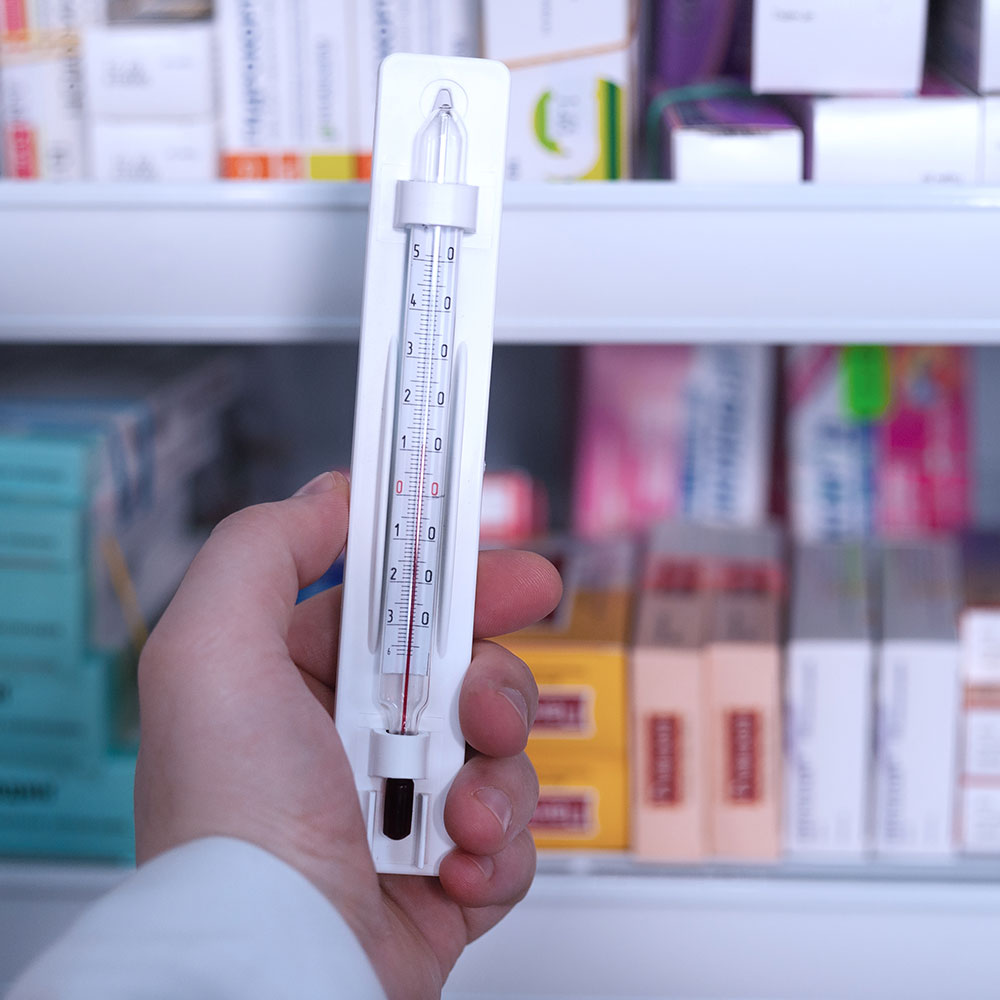
Vaccines must be stored between 2 to 8 degrees Celsius from when it is manufactured to when it is administered. A higher temperature range would result in a reduced shelf life of the vaccine whilst freezing temperatures may lead to irreversible loss of vaccine potency.

When vaccines are removed from the refrigerator in the pharmacy for offsite delivery, a portable insulated container (polystyrene cooler, domestic cooler, vaccine carrier, vaccine cold box) is used for transporting it.

The cold life of a container is the time taken for the internal temperature of a portable insulated container to reach +10 degrees Celsius after ice packs have been added and the lid is closed at a constant ambient temperature of +43 degrees Celsius. Choice of container used for transportation of vaccines is based on the cold life as follows:

  • Polystyrene coolers are only suitable for up to 4 hours
  • Domestic coolers or Esky are suitable for up to 8 hours
  • Short range vaccine carrier for a minimum 15 hours
  • Long range vaccine carrier for a minimum of 30 hours
  • Short range vaccine cold box for a minimum of 48 hours
  • Long range vaccine cold box for a minimum of 96 hours

Vaccine carriers are small, light and can be carried by a single person and so are more commonly used than cold boxes.

Portable insulated containers are not powered and need ice packs/bricks or gel/cold packs to lower the temperature inside them to 2 to 8 degrees Celsius. It is necessary to condition the ice/gel packs before placing them in a portable insulated container for vaccine storage. This is to reduce the chance of the vaccines freezing and losing their potency. Place the ice pack in a freezer for > 24 hours. Only ice packs that are frozen solid should be conditioned and used.

Conditioning ice packs:

Lay the ice packs in a single row with at least 5cm space between the packs (allows maximum air exposure) and expose the surface to room temperature. Wait till the ice packs sweat (condensation of droplets of water on the outside of the packs). This takes about an hour at an ambient temperature of 20 degrees Celsius. Shake and listen for the slight slosh of water inside the ice pack to confirm that the ice pack has been conditioned appropriately.

Conditioning gel packs:

Refer to manufacturer’s instructions as there is a difference in the types of ingredient used to depress the freezing point of the gel pack. Some specialised vaccine cold boxes (e.g. Coolpac45) come with their own gel packs which do not require conditioning. Many gel packs do not come with manufacturer’s instructions. In such cases, the following guide can be used:

  • Gel packs weighing < 750g and room temperature > +15 degrees Celsius, condition for around 45 minutes (60 minutes if room temperature < +15 degrees Celsius).
  • Gel packs weighing > 750g and room temperature > +15 degrees Celsius, condition for around 60 minutes (90 minutes if room temperature < +15 degrees Celsius).

Generally gel packs take slightly longer than ice packs to condition. The number of ice/gel packs required depends on the size, type and capacity of the cooler, the number of vaccines being transported, and the type of ice/gel packs used. Every pharmacy should have a minimum of two sets of ice/gel packs for each passive cooling device. One set in the freezer and the other set in the portable insulated container.

Lower the inside temperature of the portable insulated container to 2 to 8 degrees Celsius with frozen non-conditioned ice/gel packs before placing the vaccines. This usually takes several hours. Use a min/max thermometer to ensure that the appropriate temperature range has been achieved.

When packing the portable insulated container, it is necessary to place insulating material (polystyrene chips, bubble wrap, crumpled packing paper) between the ice/gel packs and vaccines. A single layer of paper towel is not adequate to protect the vaccines from inadvertent freezing from the ice/gel packs. For small portable insulated container, place conditioned ice/gel packs at the top and close and seal the lid. For larger portable insulated containers, place ice/gel packs along the vertical walls of the container and on top.

The vaccines should be transported in their original packaging. Place a min/max thermometer probe in the middle of the vaccines. The portable insulated containers should be monitored every 15 minutes for the first 2 hours while the temperature stabilises, and then every hour with the min/max thermometer. This should be recorded on a temperature chart. The min/max thermometer should be reset after each reading. If there is a purpose built vaccine refrigerator at the outreach or mobile site, the vaccines should be transferred from the portable insulated containers to the refrigerator. If there is no refrigerator, then the pharmacist should take additional ice/gel packs to replace the melted ones in the portable insulated container if the need arises. If vaccines are outside, they should be kept away from direct UV light and sunlight to reduce potency loss

Pharmacists have a professional responsibility to administer efficacious and immunogenic vaccines. Breaches in cold chain management may leave the individual and community at risk of vaccine preventable diseases. If a breach occurs, the Department of Health should be notified using the cold chain breach report form as soon as possible. It is vital that the mobile or outreach service is planned carefully.

Darolutamide (Nubeqa®) in Prostate Cancer

Prostate cancer cell usually requires androgen hormone, such as testosterone, to grow. Androgen deprivation therapy (ADT) is part of the standard protocol in the treatment of prostate cancer. It works by blocking the activity of male sex hormones such as testosterone, resulting in inhibition of cancer cell growth as well as division of the prostate cancer cells. Despite this treatment, cancer will become “castration-resistant”. Darolutamide is a non-steroidal anti-androgen that acts as an antagonist at the androgen receptor. It is indicated for non-metastatic castration-resistant prostate cancer. It is Therapeutic Goods Administration (TGA) approved (based on the Phase 3 ARAMIS Trial) but not Pharmaceutical Benefits Scheme (PBS) listed as yet. It can currently only be accessed by a compassionate supply program.

Darolutamide is available as 300mg oral tablets. The recommended daily dose is 600mg twice daily with food which is also the maximum daily dose. It is metabolised by CYP3A4. Therefore, CYP3A4 inhibitors such as itraconazole will increase the concentration of darolutamide (use with caution and monitor for drug toxicity) while drug inducers, such as rifampicin will decrease its concentration (avoid combination). Dose reduction is recommended if a patient has severe renal impairment or moderate hepatic impairment.

Most common side effects observed were fatigue, rash, pain in extremities, neutropenia, increased bilirubin levels as well as aspartate aminotransferase (AST). Central nervous system side effects were not significant given the drug’s low penetration of the blood-brain barrier. Nubeqa® is included in the Black Triangle Scheme to encourage reporting of the adverse events to help build up a full product safety profile.

Drugs in Sport

Your patients will sometimes ask you about whether or not a particular medicine or supplement is permitted in sport. This might seem a trivial question, but to the person asking it is a very serious question. Sporting people stand to lose their livelihood if they make a wrong decision and take something that is banned. It is not enough to rely on the prescriber’s knowledge – they can be caught out too and come in for heavy censure and potential loss of livelihood, so check before giving something seemingly innocuous to an athlete. If you don’t know the answer, you need to know where to look to find it.

Where to look

One place to look for a quick answer is eMIMS, which can sometimes tell you what you want to know. However, it is not authoritative: eMIMS is only a secondary source.

The first authority is the World Anti-Doping Agency (WADA). It publishes the World Anti-Doping Code. The Code undergoes a major revision every few years (the latest edition takes effect on 1st January 2021) with smaller amendments in the intervening years. The Code has legal force in Australia under the same Act that established Sport Integrity Australia (SIA, previously known as the Australian Sports Anti-Doping Authority or ASADA).

WADA also publishes the Prohibited List, updated annually. This contains a comprehensive list of banned substances. Most are banned absolutely, but some are only prohibited in certain sports and/or during competitions. Beta-blockers, for example, fall into the latter category – they are banned in sports that require fine motor control, such as snooker or rifle shooting.

SIA’s website is the best place to look for information local to Australia. You should be aware that individual sports may have rules additional to those of WADA and SIA. The particular national sporting organising body should be consulted.

In the ACT, there is separate legislation that applies to ACT competitors. It works in conjunction with SIA’s powers.

Supplements

These are substances that can have amino acids, proteins, vitamins, minerals, or herbs – either separately or much more commonly in a myriad of combinations. Supplements are particularly dangerous to a sportsperson whether in the form of medication or as dietary modification. Even if the product appears to be safe, you can only be certain if the particular packet you are looking at has been independently tested. The label can lie and often does. In 2016, a survey of 67 different common products available in Australia found that 20% of them contained at least one banned substance. None of the suspect packs listed the banned substance on the packaging. Some supplements are big tins of powder with no therapeutic claims apart from vague statements like “may help to boost your immunity” – these are just Russian roulette for athletes.

Regulation

A product which makes therapeutic claims must be at least licensed by the Therapeutic Goods Administration and bear an “AUSTL” number, but even then, control is poor – there are no guarantees. If there’s an “AUSTR” number, the product is registered, not merely listed, and is certain to contain what the label says it does. Elevit® is a rare example of a vitamin and mineral supplement that is registered and has real weight behind its claims.

Consequences of poor decisions

  • At the 2000 Olympics in Sydney, Romanian gymnast Andreea Raducan was prescribed a cold remedy by her team doctor. It contained pseudoephedrine, which is a banned substance. She was tested, disqualified, and lost her gold medal. The doctor lost his accreditations to the Olympics and to the International Gymnastics Federation.
  • Occasionally supplements can be toxic, even lethal if used. Green tea extract has caused liver damage so severe that a liver transplant was required for the patient to survive.
  • There is a substance called cardarine (aka GW501516) which improves physical performance: athletes abuse it, and WADA has banned it. Athletes who use it risk their lives, not just their careers, because it is a known potential carcinogen.
  • Cassie Fien, a marathon runner, took a supplement she thought was safe: it contained the banned substance higenamine, even though the label did not say so. Her subsequent positive drug test resulted in a nine-month ban on competing.

On average, one athlete per month in Australia tests positive for a banned substance because they used a supplement. That’s one career derailed and possibly prematurely ended every month.

Although the ultimate responsibility for the substances they ingest rests with the athlete, health professionals have a duty to those in their care to give them the information they need to prevent them making a catastrophic decision.

Treatment of Infantile Haemangioma

Also known as a strawberry naevus, an infantile haemangioma is a proliferative benign tumour affecting the cutaneous blood vessels, in which the endothelial cells lining the vessels proliferate in an overgrowth manner. A haemangioma may be superficial, deep, or mixed (both superficial and deep). The pathogenesis is yet to be fully defined, but it is thought that they arise as a result of foetal hypoxia, in which endothelial progenitor cells (EPCs) responding to hypoxia cause new blood vessels to form. Usually EPCs are gone by the time a baby is born but they may still be present in premature or low birth-weight babies, leading to the development of haemangiomas. It is likely that the disappearance of EPCs as the child matures leads to the regression of haemangiomas.

Infantile haemangiomas may not be present at birth and usually develop within the first one to three weeks of life, with the vast majority (> 80%) developing on the head or neck. Initially the area may only have a few superficial blood vessels visible, but as the vessels divide and multiply the area becomes a noticeable bright strawberry red colour. The proliferation is rapid in the first three months, with growth usually slowing or stopping by five months; however, haemangiomas may continue to grow for up to 18 months in some cases. Once growth halts the haemangioma naturally starts to slowly involute and disappear, a process that may take up to 10 years in some cases. In at least half of cases involving larger ‘bulky’ haemangiomas there may not be complete regression and a scar, excess skin, or telangiectasia may remain.

In contrast, other types of birth mark, for example capillary vascular malformations (also known as port-wine stains), are present and visible at birth and are unlikely to improve without treatment.

Haemangiomas are considered the most common of the benign tumours that occur in infants. Up to 10% of neonates develop one or more infantile haemangiomas, affecting girls more commonly than boys (ratio of 2:1). In addition to gender other risk factors include prematurity, birth weight less than 1kg, multiple gestation, white skin and advanced maternal age. No genetic component has been identified for developing haemangiomas, but a family history is considered by some sources as an additional risk factor.

An infant’s GP or paediatrician should be made aware of the presence of a haemangioma, regardless of location, for assessment since the treatment of haemangioma requires specialist involvement. While some haemangiomas cause no problems to the infant and will resolve without issue, some require urgent referral (see Table 1) as they are more likely to be associated with complications and may require treatment.

Table 1. Haemangiomas that require urgent referral

Requires urgent referral to a specialist Reason necessitating urgent referral
Haemangiomas on the face that proliferate rapidly Close proximity to the eye, nose, lips or in the beard area can lead to obstruction or functional impairment.
Haemangiomas on the face that are segmental May be associated with ocular, intracranial and/or cardiovascular problems.
Haemangiomas on other high-risk areas Other areas considered high risk include the anal and genital region.
Ulcerated lesions Areas most commonly experiencing ulcerated lesions include the lip or the nappy area. May lead to infection or scarring.
Multiple haemangiomas Systemic involvement should be excluded since they can also develop on internal organs.

The decision to treat infantile haemangiomas is based on location, size and complexity. When deciding to treat, the risks and benefits should be carefully considered, and in many cases (particularly if a haemangioma is not on the face or in another high-risk area) treatment is not required. Treatment may be considered for haemangiomas that: are in close proximity to important structures (for example the eyes, ears, nose, or airways), become ulcerated, or pose a risk to the child’s self-esteem or social development.

Currently available treatments include medication, surgery or laser therapy. Medicines that are most commonly used include beta-blockers such as oral propranolol or topical timolol, or corticosteroids. Other potential therapies include sirolimus, vincristine, imiquimod, interferon alpha, and angiotensin-converting enzyme inhibitors, but these agents have less evidence and safety data to support their use.

Oral propranolol is considered first-line treatment for patients that require systemic therapy, but the complex mechanism of action for haemangioma resolution is yet to be fully understood. Consensus guidelines recommend that propranolol is initiated in healthy infants at a dose of 1mg/kg/day split over two doses, which can be increased to 2mg/kg/day after one week if required. In high-risk infants, for example if the infant has a low body weight or has a risk of hypoglycaemia, a lower initiation dose of 0.5mg/kg/day may be given in a setting in which the heart rate and blood glucose level may be monitored for the first three hours after initiation. Side effects that have been reported with the use of oral propranolol for this indication include hypotension, bradycardia, cold extremities, hypoglycaemia, bronchospasm, diarrhoea, and sleep disturbances. It is recommended that propranolol is administered with food, and it should be withheld if the child has a decreased food intake or if they develop an illness.

In the past, oral or intralesional corticosteroids were considered first line therapy; however, corticosteroid use has fallen out of favour in preference for propranolol. Propranolol was shown to be more efficacious when compared to corticosteroids in a 2016 meta-analysis and is considered to have a preferable safety profile. Systemic steroids may be considered for patients who are unable to use beta-blockers, such as those with bradycardia or asthma.

A systematic review and meta-analysis conducted in 2017 investigated the efficacy and adverse effects of using topical timolol preparations. Researchers found that most studies used timolol 0.5% applied topically to the area twice daily, although preparation strength varied between studies from 0.1% to 0.5%. Low participant numbers in the included studies (N = 691) resulted in an inability to draw sound conclusions regarding the comparative efficacy between the studied timolol strengths, but pooled meta-analysis for timolol 0.5% indicated a 91% resolution rate compared to 9% in patients receiving placebo or no treatment. It was found that the incidence of side effects was relatively low and that the preparations were well tolerated, however, researchers noted that this is based on a low number of participants and that participant selection bias may have affected results. Researchers concluded that the results of the analysis appear to support the use of topical timolol, but recommended that it be reserved for superficial, small, uncomplicated haemangiomas until more evidence is available.

Whilst most infantile haemangiomas are harmless and will resolve over time, it is important that infants with one or more suspected haemangiomas are referred promptly for review, specialist referral, and treatment if necessary.