
Short-Course Oxycodone Packs

Over the past decade, the rate of opioid-related deaths and hospitalisations has increased in Australia. Pharmaceuticals are a significant contributing factor, responsible for 65% of opioid-induced deaths in 2016.

It is estimated that between 3% and 10% of opioid naïve patients become chronic users following the prescription of opioids in the post-operative period. Evidence suggests that it is the duration of opioid use, rather than the dose, that is the strongest predictor of misuse. One study found that a single repeat prescription increases the risk of misuse by more than 40%. In contrast, for patients that do not become chronic users, up to 80% of their prescribed opioids remain unused. This represents a considerable financial cost to the consumer and the healthcare system. However, the potential costs associated with diversion, misuse, and accidental ingestion are likely much greater if these unused medicines are not stored and disposed of thoughtfully. It is, therefore, imperative that the duration of opioid therapy is carefully considered to allow adequate pain relief while preventing the supply of excessive quantities.

OxyNorm® 5mg is now available in packets of ten capsules making it the only short-course oxycodone pack in Australia. All existing pack sizes of OxyNorm® will continue to be available. The reduced pack size of OxyNorm® 5mg capsules aligns with the options currently under review by the Therapeutic Goods Administration (TGA) to increase the regulatory control of strong opioids. While this change only affects the 5mg strength of OxyNorm®, prescribers are encouraged to limit the prescribed quantity of all opioids to what is clinically appropriate for the individual patient.

Tafenoquine: A Novel Anti-Malarial

Earlier this year, a small Sydney-based pharmaceutical company (Biocelect) launched its first product onto the Australian market – Kodatef® (tafenoquine) – the first new antimalarial agent in 20 years. Originally synthesised in 1978, GSK has partnered with various bodies to conduct the necessary trials to bring this medication to market. Tafenoquine is currently marketed in the US under the trade name Krintafel®.

Tafenoquine is an aminoquinoline antimalarial agent currently approved in Australia for malarial prophylaxis. Due to its very long half-life (approx. 17 days), it has the notable benefit of being dosed weekly rather than daily (as with some alternatives) following the three-day loading dose period. It is active against both Plasmodium falciparum and P. vivax at all stages of the malaria lifecycle, including the liver stage (during which the parasites can remain dormant for days, months or even years).

The mechanism of action of tafenoquine, like other quinoline analogues, has not been fully resolved. The decision to approve this medication in Australia is primarily based on the results of a randomised double-blind trial conducted on Australian soldiers deployed to Timor-Leste. The study was conducted by the Tafenoquine Study Team with support from GSK, the Australian Defence Force (ADF) and the U.S. Army Medical Materiel Development Activity (USAMMDA). It found tafenoquine to be non-inferior to mefloquine + primaquine for malaria prophylaxis.

The trial had 94% power to detect a 10% difference. Of the 654 soldiers included in the trial, 492 were allocated to the tafenoquine arm and 162 to the mefloquine/primaquine arm. The soldiers took weekly doses of the medication during a six-month stint in Timor-Leste, during which none of the participants in the study developed malaria. Following this, there was a six-month follow-up period with the soldiers in Australia. Soldiers in the mefloquine arm took primaquine for two weeks post-exposure with the soldiers in the tafenoquine arm taking a placebo instead. During this post-exposure period, four soldiers in the tafenoquine arm developed P. vivax infection (0.9%) compared to one soldier in the mefloquine arm (0.7%) – a statistically insignificant difference.

There were no significant differences in tolerability between the two arms of the trial either. The most common adverse effects were mild-moderate gastroenteritis and musculoskeletal “injury”. A subset of the tafenoquine arm (n=98) was assessed for phospholipidosis and found to have a high incidence (93.2%) of vortex keratopathy (corneal deposits). This effect was reviewed by an expert ophthalmology board, which found that this effect was benign and reversible and did not affect vision. The researchers note, however, that further assessment is required to characterise the full extent of this adverse effect.

As with primaquine, tafenoquine is known to induce haemolytic anaemia in those with G6PD deficiency and is, therefore, contraindicated in this population as well as in pregnant/breastfeeding women (as the G6PD status of the foetus/infant is likely to be unknown). Tafenoquine is in pregnancy category C.

Similar to other antimalarials, tafenoquine is contraindicated in those with a history of psychosis, delusions or hallucinations. Despite excluding soldiers with a history of psychiatric disorders, the Timor-Leste trial found a slight increase in sleep disorders, anxiety and depression and recorded one suicide attempt.

With safety precautions in mind, tafenoquine offers a comparably safe and effective alternative to other antimalarial agents with the notable advantages of once-weekly dosing and no requirement for post-exposure treatment.

Medicinal Marijuana?

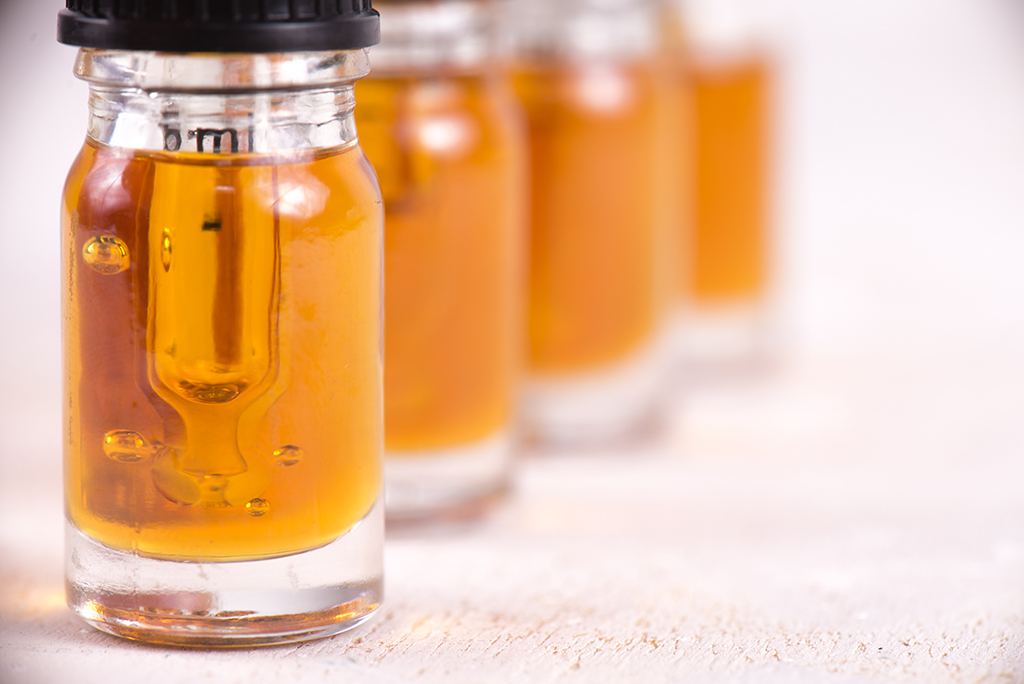
Any plant in the genus Cannabis is referred to as cannabis. This includes seeds, dried leaves and flowers, resins, and extracts. The endocannabinoid system found in the body and brain upon which cannabinoid chemicals work (via cannabinoid or CB receptors), influences various aspects such as sleep, appetite, memory and mood. Therefore, various illnesses can potentially be treated via the endocannabinoid system. About 80 to 100 cannabinoids have been found in the cannabis plant, but the two main cannabinoids displaying medicinal benefits are cannabidiol (CBD) and are delta-9-tetrahydrocannabinol (THC). CBD is considered to moderate the psychoactive effects caused by THC (otherwise known to make someone ‘high’) and has shown the possibility of treating schizophrenia and other psychoses, drug dependency, type 2 diabetes, epilepsy, inflammatory bowel disease, and some tumours. In addition to these effects, THC has shown analgesic, anti-inflammatory, anti-emetic, and antioxidant benefits. The term ‘medicinal cannabis’ includes a variety of standardised cannabis preparations for human therapeutic use, such as oils, tinctures and tablets.

Currently, there are three presentations of medicinal cannabis:

  • Pharmaceutical cannabis sanctioned by governmental bodies such as the Therapeutic Goods Administration (TGA). For example, nabiximols (Sativex®), and synthetic cannabinoids such as dronabinol.
  • Standardised and controlled herbal cannabis such as those plant products produced in the Netherlands.
  • Unregulated herbal cannabis which is illegal, containing unknown amounts of cannabinoids and possibly toxic contaminants such as mould and bacteria.

Benefits

The benefits of medicinal cannabis are still being researched through clinical trials, and the evidence is still under scrutiny. There is some discussion in the literature of success in symptom relief for certain conditions such as for multiple sclerosis patients to treat spasticity (Sativex®), for seizures, chemotherapy-induced nausea and vomiting, and to enhance appetite in cancer or HIV patients. This will be reviewed in a future article.

Risks

Medicinal cannabis presents certain risks. It has various side effects, such as dizziness, drowsiness, fatigue, nausea, vomiting, balance problems, loss of concentration, impaired thinking and memory, diarrhoea, dry mouth, fever, and increased or decreased appetite. THC in particular can cause hallucinations, confusion, paranoia, depression, feelings of a ‘high’ or dissatisfaction, psychosis or delusions. Smoking cannabis for therapeutic reasons is not recommended as smoking is harmful by way of direct inhalation of carcinogenic substances. When using recreational cannabis, one also cannot be sure of the potency and dose in each plant. Doctors need to be assured that a substance intended for medicinal purposes has been tested and standardised for the purposes of safety, efficacy and dose adjustment.

Access

The growing of, or use of cannabis for non-medicinal reasons, the supply over the counter, and the agriculture or use aside from for controlled therapeutic indications is still illegal. The Federal Government conceded legislation permitting the farming of cannabis in Australia through a national licensing arrangement, for scientific or medicinal purposes only, via changes to the Narcotics Drugs Act 1967. The Narcotic Drug Amendment Bill 2016 offered a legislative structure allowing this and facilitated the compliance of Australia with its international requirements with respect to the farming and manufacture of cannabis. The States and Territories share this responsibility with the Commonwealth, and supply is controlled by concessions under the Therapeutic Goods Act 1989 in conjunction with State and Territory drugs and poisons legislation. From 1 November 2016, particular cannabis products were classed as Schedule 8 medicines (controlled drugs) when used for therapeutic reasons, in accordance with the Narcotics Drugs Act 1967 and the Therapeutic Goods Act 1989. Medical practitioners in South Australia can legally prescribe medicinal cannabis with Commonwealth approval and the relevant State approval in accordance with the South Australian Controlled Substances Legislation. It is indicated for use in situations where conventional treatments have been considered and have not been successful and in extraordinary cases. The TGA Special Access Scheme allows for the importation and supply of therapeutic goods that are otherwise unapproved for use in Australia, on a patient-specific basis. Several types of medicinal cannabis are therefore able to be acquired via this pathway.

Figure 1: South Australian supply pathway for medicinal cannabis

    1. Clinical decision made to prescribe a medicinal cannabis product

                                ↓

    2. An appropriate dose form is selected
        1. Contemplate dose schedule, dose form, availability and cost
        2. Can contact the TGA for advice on 1800 220 007

                                ↓

    3. Prescriber applies for approval or notifies the Commonwealth and SA Health
        1. Apply via the SAS or the Authorised Prescriber (AP) Scheme
            1. Decide requirements in accordance with South Australian Controlled Substances legislation
            2. Apply or notify under the SAS or AP
            3. Seek a licence and permission to import
            4. Conform to the issued conditions of approval and continuing regulatory stipulations

                                 ↓

    4. Medicinal cannabis is prescribed and supplied to the patient via dispensing at a pharmacy

The TGA provides further information on the regulatory requirements in individual States and Territories.

Primary Prevention: a Low-Dose Aspirin Story

The benefits of low-dose aspirin in the prevention of cardiovascular events have been investigated since the 1970s following studies that finally elucidated the pharmacodynamics of aspirin, including inhibition of platelet aggregation. In 1974, a team led by Dr. A L Cochrane (of Cochrane database fame) was one of the first to conduct a randomised trial looking at the efficacy of daily aspirin in secondary prevention of mortality post-MI (myocardial infarction). Since then, a wealth of evidence has been amassed supporting the benefits of aspirin in secondary prevention of CVD (cardiovascular disease), which significantly outweigh the risks in the vast majority of cases. The story of primary prevention of CVD, however, is far less compelling and continues to be debated and scrutinised today. Last year three large trials were published, which reviewed the benefits/risks of low-dose aspirin in different patient populations.

ARRIVE

In August of 2018, the Lancet published the results of a randomised, double-blind, placebo-controlled, multi-centre clinical trial, known as ARRIVE. This interventional trial was funded by Bayer – the company that invented aspirin over 100 years ago. The trial spanned a period of roughly ten years and included over 12,500 participants aged 55 years and over (mean age = 63.9 years) with relatively low risk of developing CVD. The results of the trial failed to show any significant benefit of aspirin in reducing cardiovascular events or all-cause mortality, however, participants in the aspirin arm were twice as likely to experience a major bleeding event (HR 2.11).

ASCEND

A few years prior to the start date of the ARRIVE trial, Oxford University set up a randomized 2×2 factorial study of aspirin (and omega-3 fatty acid supplementation) vs placebo for primary prevention in people with diabetes (type 1 and 2). Although this trial remains active, preliminary results of the trial were published in the New England Journal of Medicine (NEJM) in October 2018. This is a larger scale study with almost 15,500 participants enrolled. The participants are predominantly Caucasian (62.6% male, mean age = 63.2 years) with a much higher CVD risk (~60% moderate or high risk). As expected, this trial managed to detect benefits of aspirin – recording an absolute risk reduction of “serious vascular events” of 1.1% (8.5% vs 9.6%). However, this of course came at a price of an increased absolute risk of major bleeding of 0.9% (4.1% vs 3.2%). The authors of the trial have noted the extra bleeding events are predominantly gastrointestinal and other extra-cranial bleeds. The ASCEND trial, therefore, illustrates a measurable benefit to low-dose aspirin in this relatively high-risk population, but that it is not clearly outweighed by the risk of bleeding.

ASPREE

At the end of 2009, a couple of years after the ARRIVE trial began, an Australian-US trial was set up to investigate the efficacy of low-dose aspirin in the elderly – ASPREE. Although the ASPREE trial was pulled before its scheduled completion date due to unacceptable risk to the participants, the trial continues to be active in following up with patients and analysing results (ASPREE-XT). In similar fashion to the ASCEND trial, results from ASPREE were published in the NEJM in October 2018. This was the largest of the three trials and included over 19,000 participants aged 65 years or older (most participants were over 75 years old). Not only did this trial fail to show any significant benefits of low-dose aspirin, but aspirin was found to be increasing the risk of all-cause mortality (5.9% vs 5.2%). Although the risk of major bleeding was higher in the aspirin arm (3.8% vs 2.8%), the increase in mortality was not caused by bleeding as expected, rather, it was predominantly caused by an increase in cancer-related death – a risk that was increasing with time from randomisation. This led to the trial being ceased in 2017.

The researchers have advised that these results be interpreted with caution for two main reasons:

  1. Previous studies have not found an association with cancer or have reported protective effects of aspirin in relation to cancer;
  2. Participants in the study had a much lower incidence of cancer and all-cause mortality compared to the general population (most likely due to the selection of a relatively healthy elderly population secondary to the exclusion criteria of the study).

These three large-scale trials warn against the use of aspirin for primary prevention of CVD in those with low-moderate risk. Individuals with moderate-high risk would seem to have the most to gain from using low-dose aspirin in this way. However, the risks associated with therapy should be discussed and weighed against the likely benefits.

Hand-Foot Syndrome

Hand-foot syndrome is a side-effect which can occur with treatment with some cytotoxic drugs (e.g. capecitabine, fluorouracil, liposomal doxorubicin and cytarabine) as well as multikinase inhibitors (e.g. pazopanib, sorafenib and sunitinib). Hand-foot syndrome is also known as palmar-plantar erythrodysesthesia (PPE).

Although this side effect is not life-threatening, it can interfere with a patient’s ability to carry out normal activities. Hand-foot syndrome appears to be dose-dependent.

Pathophysiology:

In chemotherapy treatment, small amounts of drug leak out of capillaries in the soles of the foot and palms of the hands. Mechanical stress on the skin, including pressure, friction and heat increases the amount of the drug in the capillaries and increases the amount of drug leakage. This drug leakage results in redness, tenderness, and possibly peeling of the palms and soles. The redness looks like sunburn and affected areas can become dry and peel, with numbness or tingling developing.

Onset/Duration:

HFS can develop within days or weeks after starting treatment. Usually, it develops after six weeks of the treatment and mostly resolves within two weeks of stopping anticancer treatment.

Symptoms of hand-foot syndrome:

Symptoms of mild or moderate hand-foot syndrome can include:

  • Redness similar to a sunburn;
  • Swelling;
  • A sensation of tingling or burning;
  • Tenderness or sensitivity to touch;
  • Tightness of the skin; and
  • Thick calluses and blisters on the palms of your hands and soles of your feet.

Grading:

  Mild Moderate Severe
Hand-foot syndrome (HFS) Grading: Grade 1 Grade 2 Grade 3
Minimal skin changes or dermatitis (e.g. erythema, oedema, or hyperkeratosis) without pain Skin changes (e.g. peeling, blisters, fissures, bleeding, oedema, or hyperkeratosis) with pain; limiting instrumental ADL* Severe skin changes (e.g. peeling, blisters, bleeding, fissures, oedema, or hyperkeratosis) with pain; limiting self-care ADL*

*ADL: Activity of daily living

Prevention and management of HFS:

The following advice may be useful for patients undergoing therapy with agents likely to cause hand-foot syndrome:

  • Having a pedicure to reduce calluses before beginning anticancer treatment;
  • Apply moisturiser or emollient to avoid drying of skin;
  • Protect the skin against sun exposure using a broad-spectrum sunscreen;
  • Wear loose-fitting clothing and comfortable shoes with cushioned soles; avoid walking barefoot;
  • Limit the use of hot water on the hands and feet when washing dishes or bathing;
  • Avoid rubbing the skin after bathing; gently pat skin dry with a towel;
  • Avoid using vinyl or rubber gloves. Wear lightweight dishwashing gloves as heavy gloves hold heat against the skin. Avoid washing dishes by hand if possible;
  • Avoid activities that cause friction or rubbing on the hands or feet such as jogging, aerobics, power walking, jumping, or long walks;
  • Avoid using household items or tools that require pressing your hand against a hard surface, e.g. screwdrivers, wrenches or knives;
  • Apply cold to the tender area for relief of pain or soreness. Using a pack of frozen vegetables (15 minutes on and 15 minutes off), a hydrogel dressing, or soaking hands or feet in cold water can be helpful;
  • Taking vitamin B6 may help to prevent or treat hand-foot syndrome. Patients should be advised to check with their doctor before taking any supplements; and
  • Elevate hands or feet to reduce swelling.

Treatment algorithm:

The treatment algorithm in Figure 1 has been developed by eviQ for the treatment of hand-foot syndrome in patients receiving chemotherapy.

Figure 1. Treatment algorithm for hand-foot syndrome (reproduced with permission from eviQ)

The prognosis for hand-foot syndrome is usually good since the skin condition generally resolves a few weeks after stopping treatment with the responsible drug. However, the condition may recur on restarting treatment.

Low Dose Methotrexate for Rheumatoid Arthritis

There is some uncertainty about the precautions that need to be taken while preparing and administering low dose methotrexate for rheumatoid arthritis (RA) patients either in the ward or at home.

Like most drugs, the dose, routes of administration and toxicity vary depending on the condition and course of treatment. The precautions required during administration differ accordingly. Hence, providing patients and medical staff with accurate information is critical for the safety of patients, medical staff, and third-party family members. It will also help in the compliance and adherence of patients to treatment.

Weekly low dose methotrexate is the first-line disease-modifying anti-rheumatic drug (DMARD) in the treatment of RA. Also, methotrexate can be used for the treatment of other conditions such as psoriatic arthritis, juvenile idiopathic arthritis, and systemic vasculitis.

Methotrexate (< 25 mg/m2) is well absorbed from the gastrointestinal tract with variable inter-individual bioavailability of 70%. However, at larger doses, absorption may become erratic and incomplete. For this reason, parenteral administration may be appropriate in cases of poor efficacy or tolerability. Peak serum levels may be achieved in one to four hours following oral administration and within 0.5 to two hours following intravenous or intramuscular administration. Methotrexate is widely distributed into body tissues and concentrates in the kidneys, liver and gastrointestinal tract. It also distributes into third space compartments, e.g., ascites or pleural effusions. It is slowly released from these spaces, which results in a prolonged terminal phase half-life and unexpected toxicity. In patients with large third space accumulation, it is advisable to evacuate the fluid before treatment and to monitor plasma methotrexate levels. Methotrexate is mainly excreted unchanged by the kidneys (70%), and small amounts appear in the faeces. Methotrexate cannot be absorbed via the skin as it is not lipophilic.

The verbal and nonverbal communications of healthcare professionals contain several unintentional negative recommendations that may trigger a nocebo response. There are several methotrexate misconceptions that might be held by patients and health professionals since available consumer medicine information (CMI) list many adverse effects that might be confusing to patients.

Myth: Low dose methotrexate is chemotherapy

Methotrexate is used in chemotherapy protocols at regimens as low as 30mg/m2 and up to 12,000mg/m2 with a maximum dose of 20,000mg (usually over 500mg/m2). It can be given as a single agent or in combination with other cytotoxic medications according to each chemotherapy protocol. For rheumatic diseases, methotrexate is typically used in low weekly oral or parenteral regimens. Doses range from 10 to 30 mg weekly (usually less than 10 mg/m2 weekly) which cannot be considered as chemotherapy.

Myth: Low dose methotrexate is cytotoxic

Methotrexate as chemotherapy must be prepared under cytotoxic guidelines. The cytotoxic guidelines do not apply however to the preparation and administration of low dose methotrexate in non-neoplastic diseases. Methotrexate is not a vesicant or an irritant parenteral drug. Conventional and post-needle stick precautions (eye, mask, and glove) are mandatory for staff administering injected methotrexate. However, there is not any evidence to support the notion that health care workers with reproductive capacity are harmed by administering low dose methotrexate for RA patients. Therefore, there is no reproductive risk to medical staff or their partners from administering methotrexate to RA patients.

Methotrexate may be excreted in body fluids and waste, including blood, urine, faeces, vomit, and semen. As per CMI and product information (PI), patients are often advised to take some precautions to protect other people while they are receiving methotrexate injection. This includes flushing the toilet twice to dispose of body fluids and waste, wearing gloves to clean any spill of body fluids, discarding towels into a separate waste bag, washing linen or clothing that is heavily contaminated with body fluids or waste separately from other items, and use of a barrier method of contraception such as a condom. Such precautions apply when methotrexate is given as chemotherapy at doses over 500mg/m2.  In the absence of any data related to low dose weekly methotrexate, it is recommended that normal standards of personal hygiene are the main precautions for third parties around patients on low weekly methotrexate for RA. The practical likelihood of exposures through contact with methotrexate-treated RA patients’ body fluids resulting in methotrexate toxicity is likely to be negligible with standard personal hygiene.

Myth: Self-administration of methotrexate is unsafe

Self-administration is very safe and it should always be recommended for RA patients. However, patients should receive proper education on the technique of self-injection. Self-administration will dismiss any escalating concerns that might be raised regarding exposure to third parties. Trexject® single-use prefilled syringe can be recommended as an easy and convenient way of self–administration by RA patients or even by medical staff at any healthcare facility.

Myth: RA patients on low dose methotrexate should avoid any social contact with pregnant women

Certainly, methotrexate is a pregnancy category D drug and should not be administered to pregnant women as it can cause miscarriage or foetal deformity. Women of child-bearing age should use effective contraception while taking methotrexate and women planning to become pregnant should stop taking methotrexate three months before attempting to conceive. However, the potential of a pregnant woman to have sufficient exposure to methotrexate from social contact with a methotrexate-treated individual with RA is negligible. Therefore, there is negligible risk in already pregnant women exposed to partners’ body fluids. Based on current evidence, low-dose methotrexate seems safe when the father is taking methotrexate.

Myth: Methotrexate must not be taken in combination with NSAID

Methotrexate is often prescribed with (NSAIDs) or cyclo-oxygenase-2 (COX-2) inhibitors for the relief of RA-associated pain and for its inflammatory component. However, there is a major drug interaction in most dispensing software and reference texts to avoid the combination of an NSAID and methotrexate. Providing patients with inaccurate information can lead to confusion as they are often advised to avoid this combination. This interaction is only significant if there is any underlying kidney disease or if the patient is receiving a high dose of methotrexate as chemotherapy. However, there is no specific evidence to completely avoid the combination of NSAIDs and methotrexate. Due to the renal clearance of methotrexate, renal function should be monitored and the dose of methotrexate appropriately adjusted if needed.

Introduction to the storage of medications in a private hospital setting

Medication schedules

Different medication schedules are handled differently when brought into a hospital setting. Types of medication schedules seen in a hospital setting can include schedule 2, 4, 4D and 8. Schedule 2 medications are items that can be bought over the counter without a prescription. They include some cough syrups (bromhexine, dextromethorphan, guaifenesin and pholcodine), antihistamines (cetirizine, fexofenadine and loratadine), folic acid, analgesics (ibuprofen and paracetamol), loperamide, macrogol, and some nasal sprays (xylometazoline). Schedule 3 medications are items kept inside the pharmacy out of patient reach and do not require a prescription. These items include clotrimazole in preparations for vaginal use, diclofenac 25mg tablets in a 20 pack, hydrocortisone 1% cream, and salbutamol inhalers. Schedule 4 medications require a prescription to be supplied and can include antibiotics (cephalexin, amoxicillin and metronidazole), analgesics (meloxicam, diclofenac 50mg, celecoxib), thyroxine, and domperidone. Restricted schedule 4 medications (alternatively referred to as S4D, S4R or S11 medicines) are schedule 4 medicines that are liable to abuse such as benzodiazepines (diazepam and temazepam), codeine-containing medications and tramadol. Medicines included in this category may vary slightly in accordance with each hospital policy, but they should be stored in a safe with a separate drug register kept. Schedule 8 medications include drugs of addiction that need to be locked away in a separate safe with a register of drugs kept. Schedule 8 medications include medications such as all forms of oxycodone, fentanyl and dexamphetamine. Some medications may appear in more than one schedule depending upon factors such as strength, quantity, and the presence of other therapeutically active agents in the formulation. The Poisons Standard can be consulted for further information.

Patients who come into hospital with their own regular medications should be told that their medications need to be stored correctly. Any schedule 2, 3 or 4 medications can be stored in the patient’s bedside drawer. Other restricted schedule 4 and schedule 8 medications will need to be taken off the patient, stored in the treatment room safe and added to the nurse’s register so that an accurate balance is always kept.

Storage in a hospital ward

Rules for the storage of restricted schedule 4 and schedule 8 medications vary slightly according to state and territory law. For example, in NSW,  the Poisons and Therapeutic Goods Regulation 2008 Part 4 > Division 2 > Clause 75 states that drugs considered drugs of addiction must be stored in a securely locked safe separate from other medications. The pin or key to unlock the safe must only be known or carried by a registered nurse or midwife.

Record of supply on the wards

Drug registers need to be kept for all schedule 8 medications. The requirements for restricted schedule 4 medications may vary according to state and territory law and individual hospital policies. For drugs that require use of a drug register, the following points should be followed:

  1. The register’s pages must be consecutively numbered;
  2. The register must be a bound book where pages cannot be removed or replaced;
  3. Each drug of addiction must be recorded on a separate page of the register; and
  4. Each drug needs to be written down with the correct name, formulation of the drug, and the strength of the drug.

Entry into the register must be completed whenever a drug of addiction is received, supplied or administered. The ward register must record:

  1. The quantity received, supplied or administered;
  2. The date and time the drug was received, supplied or administered;
  3. Name of the patient and registered nurse’s name and signature. Each entry must also be countersigned; and
  4. The quantity left once the drug has been received, supplied, or administered.

The drugs of addiction kept in the safe and recorded in the register must be counted, and quantities checked and countersigned each day usually at the beginning and end of a nurse’s shift.

Destruction of drugs of addiction in the hospital

It is recommended that destruction of unwanted drugs of addiction in a private health facility occurs frequently. NSW regulations advise that this should occur once a month with a registered pharmacist practising at that facility and the hospital’s director of nursing. On these rounds, drugs of addiction that are expired, left by previous patients, or faulty are destroyed and signed out of the registers. The pharmacist must record the medication being destroyed, the amount being destroyed, the date and time of destruction, the pharmacist’s Australian Health Practitioner Regulation Agency (AHPRA) registration number with full name and signature alongside the name and signature of the witness.

Lactulose for Hepatic Encephalopathy

Hepatic encephalopathy (HE) is a syndrome that may occur in chronic and acute liver dysfunction. It involves a spectrum of neuropsychiatric symptoms and is associated with significant morbidity and mortality. Signs and symptoms can include:

  • Changes in intellect, personality, and emotions;
  • Sleep disturbances;
  • Disorientation;
  • Elevated arterial ammonia concentration;
  • Electroencephalogram (EEG) changes; and
  • Coma.

Hepatic encephalopathy can be divided into two broad categories, depending upon severity. Covert HE is a milder version that may be thought of as the pre-clinical stages of overt HE. While covert HE may not be as easy to identify, it is still associated with an increased risk of hospitalisation, falls, impaired driving ability, and death.

It is thought that HE is present in around a third of patients with liver cirrhosis. However, studies that use more rigorous screening methods may report an incidence of some degree of HE in up to 85% of patients. In patients with liver cirrhosis, HE is most frequently associated with a precipitating factor such as renal impairment, gastrointestinal bleeding, infection, electrolyte disturbances, constipation, and non-adherence to prescribed therapy. Reversible causes should be recognised and treated as appropriate.

The first-line agent for the treatment of HE is the laxative, lactulose. To understand how this simple over-the-counter medication can treat the neuropsychiatric symptoms of HE, it is necessary to understand some of the mechanisms behind the condition.

Hepatic encephalopathy is a complex condition. While the precise pathogenesis is not entirely understood, nitrogenous substances such as ammonia are thought to play a large role. Ammonia is a neurotoxic agent that is mainly removed from the body by hepatic conversion to urea which can then be renally excreted. If ammonia is allowed to accumulate, it may disrupt cellular energy metabolism, mitochondrial function, inflammatory processes, and neurotransmission.

Ammonia is naturally produced in the gastrointestinal tract. It is a product of the bacterial degradation of amines, amino acids, purines and urea. Ammonia is also produced by enterocytes following the metabolism of glutamine. Blood from the intestines is normally carried directly to the liver via the hepatic portal vein. A healthy liver can then detoxify compounds such as ammonia before it reaches the systemic circulation. However, in the case of portosystemic shunting, irregular vascular connections divert portal blood directly into the systemic circulation. This reduced capacity to detoxify ammonia can lead to hyperammonaemia.

Other agents have also been suggested as potential mediators in the development of HE. These include phenols, thiols, short-chain fatty acids, cytokines, bacterial endotoxins, gamma-aminobutyric acid (GABA), and endogenous benzodiazepines. However, most successful therapies for HE are based on reducing ammonia levels.

Lactulose is a non-absorbable sugar that is metabolised by colonic bacteria. The main products of this metabolism are lactic acid and acetic acid. Production of these products results in acidification of the luminal contents, which is thought to produce the following beneficial effects:

  • Ammonia is converted to the ammonium ion, which is relatively membrane impermeable. Therefore, less ammonia is absorbed into the blood;
  • Increased movement of ammonia from the blood into the more acidic colon;
  • Inhibition of the growth of ammonia-producing bacteria; and
  • The diarrhoeal action may also be beneficial in aiding the removal of these trapped nitrogenous substances from the body due to the shortened intestinal transit time.

Controlled trials demonstrate that lactulose reduces blood ammonia levels by 25-50% and leads to clinical response in around 75% of patients. The Therapeutic Guidelines: Gastrointestinal recommend initiating lactulose for severe acute HE at 30mL orally every hour to induce a rapid laxative effect. A reduced dose should then be used for continued treatment of acute HE, to prevent recurrent HE, or to treat chronic HE.

Patients who experience repeated episodes of HE despite lactulose therapy may be considered for rifaximin therapy. Rifaximin is a poorly absorbed antibiotic that is used to eliminate ammonia-producing bacteria in the intestinal lumen. However, this is not a first-line option due to concerns regarding potential bacterial resistance. Other interventions, including angiographic occlusion of portosystemic shunts or even liver transplantation, may be required for recurrent or chronic cases.

Proton Pump Inhibitor Restrictions

Restrictions have recently increased for the provision of proton pump inhibitors (PPIs) on the Pharmaceutical Benefits Scheme (PBS). The following changes were implemented on 1st May 2019:

  • Standard dose PPIs changed from restricted benefit to streamlined authority required;
  • Esomeprazole 40mg (30 tablets/capsules + one repeat) changed from restricted benefit to telephone authority required;
  • Esomeprazole 40mg requires a trial of standard dose PPI prior to initiation;
  • Standard dose PPIs with five repeats prescribed for the long-term maintenance of gastro-oesophageal reflux disease (GORD) may only be used in patients inadequately controlled with a low dose PPI;
  • All peptic ulcer indications require Helicobacter pylori testing or failure of eradication therapy prior to initiation of a standard dose PPI; and
  • A new clinical indication of initial and short-term maintenance treatment of symptomatic GORD has been added for standard dose PPIs with one repeat.

The terminology used has also been made consistent with the Therapeutic Guidelines: Gastrointestinal. Standard dose PPI therapy now refers to 20mg esomeprazole, omeprazole, and rabeprazole; 30mg lansoprazole; or 40mg pantoprazole. Esomeprazole contained in combination packs (e.g. Nexium® Hp7®) for the eradication of H. pylori remain a restricted benefit. No PPI medicines have been removed from the PBS in this latest update.

The new restrictions were made following the recommendations of the Pharmaceutical Benefits Advisory Committee (PBAC). The PBAC agreed that PPIs appear to be overprescribed in Australia and used for excessively long periods, particularly in older people. Four out of the five PPIs available in Australia have consistently appeared in the list of top 50 medications dispensed on the PBS each year over the last decade. A review also found that standard dose and high dose PPIs made up 95% of all PPI prescriptions dispensed under the PBS between 2013 and 2016. Increased restrictions are expected to reduce PBS expenditure on this medication class while also improving the quality use of medicines.

There were a number of tighter restrictions proposed that the PBAC did not adopt. This included the requirement for erosive oesophagitis to be confirmed by endoscopy and the requirement for a gastroenterologist to prescribe PPIs for scleroderma oesophagus, erosive oesophagitis, and all hypersecretory indications. However, if the current restrictions do not change utilisation patterns at the two-year review, these additional restrictions may be reconsidered.

Proton pump inhibitors are potent inhibitors of gastric acid secretion that produce more reliable results than H2 receptor antagonists. While PPIs are well tolerated with an excellent safety profile, they are associated with a number of potential short-term and long-term adverse effects, including:

  • Impaired absorption of vitamins and minerals such as calcium, magnesium, and vitamin B12 with the chronic use of high-doses;
  • Increased risk of community-acquired pneumonia;
  • Increased risk of enteric infections such as Salmonella, Campylobacter jejuni, and Clostridium difficile;
  • Possible increased risk of osteoporosis-related fractures with high-dose and long-term therapy; and
  • The potential for drug interactions, particularly with omeprazole and esomeprazole which are primarily metabolised by CYP2C19.

While the evidence for many of these adverse effects is limited and the absolute risk considered low, careful use of PPIs is recommended to minimise potential harms. Review of the Therapeutic Guidelines: Gastrointestinal may be useful to guide therapy. For further information on current PBS codes and criteria, please refer to the PBS website. Alternatively, the PBS Code app may be downloaded to smartphones and tablets for mobile access to PBS information.

Prevention of Recurrent Clostridium difficile Infection

Clostridium difficile is the most common cause of infectious diarrhoea in hospitalised patients. This anaerobic, spore-forming bacteria is prevalent in the environment and can be spread directly or indirectly via the faecal-oral route. C. difficile presents a challenge as the spores can survive in the environment for long periods and are resistant to many disinfectants.

Asymptomatic colonisation with C. difficile is common, particularly amongst hospitalised patients, nursing home residents, and infants. Symptomatic infection may then occur following a disruption of the host’s microbiome that favours C. difficile germination and growth. Antibiotic use is the most common cause of this disruption. While all antibiotics are thought to be capable of causing C. difficile infection (CDI), broad-spectrum antibiotics such as cephalosporins, quinolones, and lincosamides are associated with the highest risk. Other risk factors include hospitalisation, cancer chemotherapy, advanced age, and the use of proton pump inhibitors.

The C. difficile bacterium produces two exotoxins, toxin A and toxin B. Some strains also produce another toxin called binary toxin. Although binary toxin is sometimes associated with increased disease severity, its role is poorly understood. Toxins A and B damage the lining of the colon which can result in symptoms such as fever, watery diarrhoea, and abdominal pain. In more severe cases, the diarrhoea may be particularly frequent and lead to severe dehydration. Blood or pus may also be visible in the stools.

The Therapeutic Guidelines provide the following recommendations for the treatment of CDI.

  • First episode:
    • Metronidazole (orally or enterally), or
    • Vancomycin (orally or enterally)
  • First recurrence:
    • Vancomycin (orally or enterally), or
    • Fidaxomicin orally
  • Second and subsequent recurrences or ongoing refractory disease (adults):
    • Faecal microbiota transfer (if available),
    • Vancomycin (orally or enterally), or
    • Fidaxomicin orally
  • Second and subsequent recurrences or ongoing refractory disease (children):
    • Vancomycin (orally or enterally), or
    • Nitazoxanide orally.

All patients with severe disease require specialist review. The rate of severe CDI has been increasing in recent years and accounted for 2.2% of all CDI cases seen in Australian hospitals in 2015. Signs and symptoms of severe disease include leucocytosis, severe abdominal pain, elevated serum creatinine, elevated blood lactate, low serum albumin, high fever, or organ dysfunction. Outbreaks of hypervirulent strains have been reported in Australia since 2000.

A diagnosis of CDI continues to be associated with considerably longer hospital stays. The average length of stay for all CDI cases is reported to be 17.7 days, although there are marked differences for patients presenting with CDI as the principal diagnosis (7.9 days) compared to CDI as an additional diagnosis (21.6 days). This represents a significant increase in healthcare costs in addition to the increased morbidity and mortality associated with infection. Around 20% of patients with an initial infection will experience at least one other episode. Recurrent CDI is often more difficult to treat and associated with worse outcomes and higher costs than initial infections. Therefore, interventions that prevent recurrence are of great interest.

Bezlotoxumab is a new medication available for the prevention of C. difficile recurrence in adults who are at high risk. Bezlotoxumab is a monoclonal antibody that binds to toxin B with high affinity, neutralising its activity. Clinical trials demonstrate a sustained cure rate of 64% in patients treated with bezlotoxumab plus standard of care antibacterial therapy compared to 54% for standard of care therapy alone. The rate of adverse events was similar amongst the two groups; infusion-related reactions occurred in 10.3% of patients receiving bezlotoxumab (7.6% placebo). The other most commonly reported adverse events in each group include abdominal pain, diarrhoea, and nausea. Bezlotoxumab has a terminal half-life of around 19 days. This allows the use of a single infusion during a course of antibiotic treatment. As bezlotoxumab is not an antibacterial agent, it must be co-administered with appropriate antibacterial therapy.

Bezlotoxumab is not active against toxin A. However, it is thought that toxin B is the main determinant of virulence in recurrent CDI. Clinical studies of actoxumab, an experimental antibody against toxin A, support this idea. Actoxumab has not demonstrated efficacy when used as a single agent and does not improve efficacy when added to bezlotoxumab.

The role of bezlotoxumab in the management of C. difficile infection is currently uncertain. Further studies are required to determine the optimal timing of infusion and the patients most likely to benefit from this preventative therapy.