
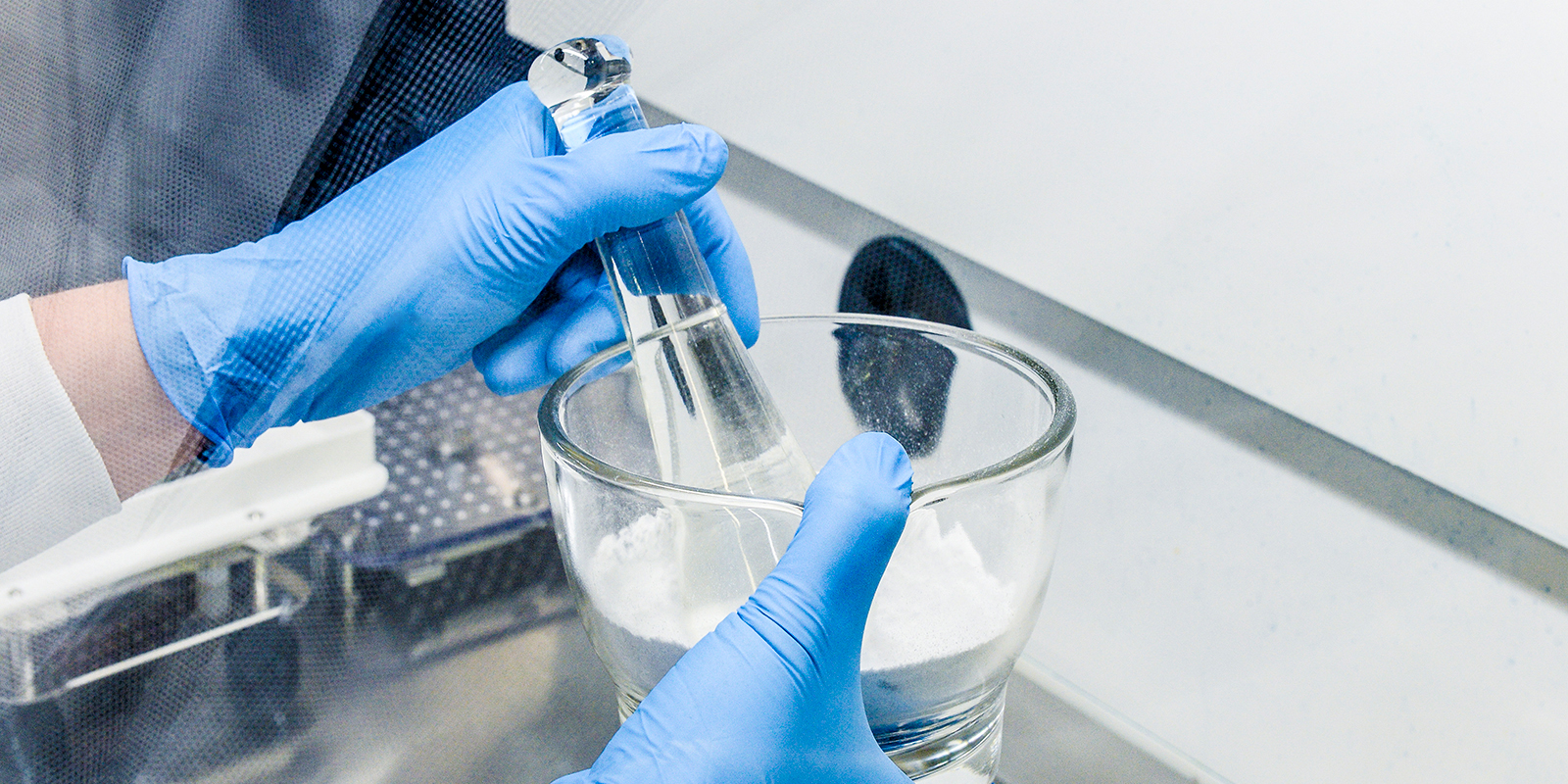
Aseptic preparation in a pharmacy environment is a critical, high-risk process involving the compounding and manipulation of sterile medicines to ensure they remain free from microbial and particulate contamination.
In Australia, aseptic preparation is regulated by Therapeutic Goods Administration (TGA) under the Pharmaceutical Inspection Co-operation Scheme (PIC/S) Guide. It involves compounding or manipulating sterile medicines under strict contamination controls to prevent microbial contamination and ensure patient safety. By implementing specific quality control strategies, pharmacies protect patient health, especially when preparing high-risk medications like parenteral nutrition, cytotoxic infusions, and eye drops.
Pharmacy sterile compounding is governed primarily by two interconnected PIC/S standards depending on the operational scale:
- PIC/S PE 010-4: The Guide to Good Practices for the Preparation of Medicinal Products in Healthcare Establishments, which specifically dictates public and private hospital pharmacy operations.
- PIC/S PE 009 (Annex 1): The Guide to Good Manufacturing Practice for Medicinal Products. Its critically updated Annex 1 focuses on the Manufacture of Sterile Medicinal Products, reinforcing principles like Quality Risk Management (QRM).
The PIC/S PE 010-4 guide mirrors the structural framework of the main industrial drug manufacturing guide (PE 009), condensing it into nine Core Chapters and three Specialised Annexes optimised for clinical, small-scale healthcare settings. Annex 1 provides guidelines on the standards required for sterile preparation of medicinal products.
PIC/S PE 010-4 Core Chapters:
Chapter 1: Quality Assurance System
Establishes the foundation that all compounded medicinal products must be fit for their intended purpose, safety, and effectiveness.
- Mandates a fully documented Quality Assurance (QA) framework.
- Requires structured oversight ensuring that products are correctly processed, verified, and stored throughout their shelf life
Chapter 2: Personnel
Focuses on the responsibility, authority, and health requirements of a pharmacy team.
- Places ultimate compliance responsibility onto a designated Responsible Person.
- Mandates structured, documented initial and continuing training.
- Sets strict rules for hygiene, mandatory protective apparel, and the immediate reporting of infectious diseases or open lesions.
Chapter 3: Premises and Equipment
Defines environmental control, facility architecture, and equipment maintenance to minimise human error and physical defects.
- Dictates logical workflows and physical segregation to prevent mix-ups and cross-contamination.
- Requires dedicated rooms for handling hazardous preparations (e.g., cytotoxic, radiopharmaceuticals).
- Demands routine, documented calibration and precision checking of all weighing and volumetric instruments.
Chapter 4: Documentation
Enforces standard paperwork or equivalent validated digital entry rules to avoid the high risk of verbal errors.
- Outlines specifications and instructions for two tracks: extemporaneous individual prescriptions vs. regular stock preparations.
- Mandates comprehensive batch production records, including master formula definitions and raw sample tracking logs.
- Requires a record retention policy (typically at least 1 year past product expiry and 5 years for master sheets).
Chapter 5: Production
Governs the physical assembly, handling, and formulation steps of medication compounding.
- Enforces a mandatory independent double-check (by a second operator or validated barcode system) for raw component weights and identities.
- Requires a formalised Product Risk Assessment based on the route of administration, scale of operation, and product complexity.
- Details lines-clearance steps, packaging material integrity checks, and restricted re-processing criteria.
Chapter 6: Quality Control
Establishes checking, sample gathering, and official chemical/microbiological testing parameters.
- Requires complete operational independence between Quality Assurance/Quality Control tasks and production steps.
- Dictates that raw material confirmations must align with the active Pharmacopoeia.
- Outlines release verification criteria before stock transfers from quarantine to clinical wards.
Chapter 7: Work Contracted Out
Regulates third-party vendors providing technical services that affect compounding safety.
- Requires formal Service Level Agreements (SLAs) or technical contracts for utilities maintenance (heating, ventilation, air-conditioning, water), cleanroom monitoring, pest control, and equipment calibrations.
- Holds the hospital pharmacy accountable for auditing contract acceptors and formally reviewing their technical data.
Chapter 8: Complaints and Product Recalls
Provides a mechanism to react swiftly when compounded products fail to meet physical or microbiological standards.
- Mandates clear, written SOPs to investigate internal compilation defects or ward complaints.
- Demands an immediate recall infrastructure and immediate notification to state regulatory bodies if a defect poses a direct clinical threat.
Chapter 9: Self Audits
Ensure long-term operational consistency through self-regulation.
- Mandates a structured internal audit program executed at least annually.
- Requires objective internal or external auditors to cross-verify facilities, logging practices, and past corrective/preventative actions (CAPA).
References:
- Therapeutic Goods Administration. Understanding Good Manufacturing Practice (GMP) for compounded medicines. Woden: TGA; 2024.
- Pharmaceutical Inspection Co-operation Scheme. PIC/S Guide to Good Practices for The Preparation of Medicinal Products in Healthcare Establishments, PE 010-4. 1 March 2014.
Subscribe Knowledge Centre Updates
Enter your details to receive Knowledge Centre updates