
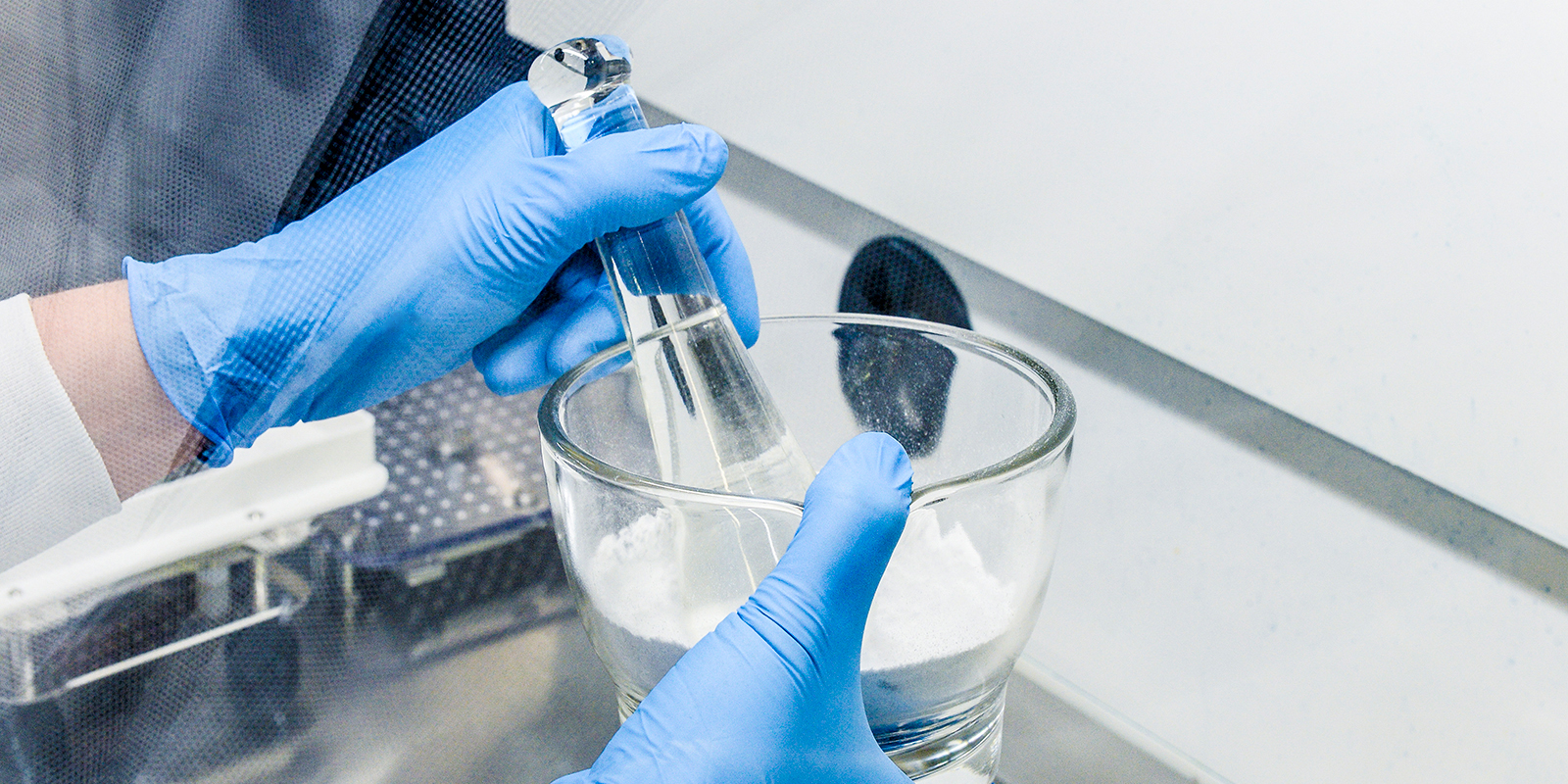
Annex 1 of PIC/S PE 010 is one of the supplements to the core chapters of PIC/S PE 010 Guide. It focuses exclusively on the Sterile Preparation of Medicinal Products in healthcare establishments. Its primary objective is to eliminate the risk of microbiological, particulate, and pyrogen contamination during the compounding of sterile medicines. The standard emphasizes that sterility cannot be tested into a finished product; it must be built in by design through strict environmental, physical, and behavioral controls. Below are summaries of each section:
Section 1: Personnel
This section outlines the training, competency, and qualification requirements for personnel involved in the sterile preparation of medicinal products
1.1 Personnel Qualifications & Roles
- Responsible Person: Must possess current practical and theoretical knowledge of sterile product preparation and formal training in microbiology.
- Production Supervisors: Must be competent, understand cleanroom/clean air device technology (e.g., HEPA filters, ventilation, isolators), and hold written authorization from the Responsible Person.
Key Training Requirements:
All staff must undergo training and competency assessments prior to performing sterile work, covering five core areas:
- Good Manufacturing Practice (GMP) or Good Preparation Practice (GPP).
- Local practices, including health and safety regulations.
- Competence in specific sterile skills and technical manipulations.
- Pharmaceutical microbiology.
- General working knowledge of the department, products, and services.
Compliance & Safety Protocols
- Specialist Training: Radiopharmacy staff must be trained in national Ionising Radiation Regulations.
- Risk Awareness: Staff must be fully aware of how deviations from validated procedures affect product integrity and patient safety, reinforced by regular reminders.
- Continuous Assessment: Staff must undergo regular competency reassessments, with retraining provided as necessary.
Section 2: Premises and Equipment
This section establishes strict requirements for cleanroom design, environmental control, and operational boundaries to minimize contamination and ensure operator safety in health establishment preparation units.
2.1. Facility Design & Contamination Control
- Airlock Control Mandate: All entries for personnel, materials, and equipment must progress sequentially through designated airlocks.
- Prohibition of Sinks: Sinks and hand-washing fixtures are completely forbidden inside preparation rooms or the final stage of changing areas. Sinks in adjacent staging areas require scheduled monitoring and disinfection.
- Operational Clean-Up Window: Systems must achieve a guidance recovery period of 15–20 minutes, transitioning the room from an “in operation” state back to its unmanned “at rest” baseline.
- Dedicated Footprints: Cross-contamination controls require independent, dedicated rooms for processing high-risk categories including penicillins, blood products, biologicals, cytostatics, and radiopharmaceuticals. Campaign manufacturing is restricted to exceptional, risk-assessed scenarios.
2.1.1. Dynamic Zoning & Processing Requirements
The facility operates across strict environmental tiers (Grades A to D) leveraging terminal HEPA filtration for Grades A through C. Minimum environments are divided by operational methodology:
| Manufacturing Pathway | Room Grade | Allowed Operations & Equipment |
| Terminally Sterilised | Grade D | Preparation of standard solutions and component handling before filling |
| Grade C | Solution preparation for high-growth-risk formulations; routine filling. | |
| Grade A (with C background) | Filling operations carrying heightened risk (e.g., slow filling, wide-necked containers). | |
| Aseptic Preparations | Grade D | Component handling post-washing; serves as the required background for pharmaceutical isolators. |
| Grade C | Formulation of solutions designed to undergo downstream sterile filtration. | |
| Grade B | The non-negotiable background environment surrounding Laminar Flow Cabinets (LFCs) and Biohazard Safety Cabinets (BSCs). | |
| Grade A | Core aseptic preparation and compounding. Must occur within a laminar flow cabinet, biological safety cabinet, or Isolator zone. |
2.1.2. Hazardous Compound Processing & Safety
- Containment Controls: Compounding cytotoxic drugs, radiopharmaceuticals, or radio-labelled blood products requires negative pressure environments matched with positive pressure airlock containment systems.
- Equipment Prohibitions: Traditional Laminar Flow Cabinets (LFCs) are strictly illegal for hazardous medications due to horizontal airflow directing contaminants toward the user.
- Safety Cabinet Mandate: Hazardous preparations require Biohazard Safety Cabinets (BSCs) featuring vertical downward air vectors that exhaust safely away from the operator.
2.1.3. Controlled Gowning Framework
All garments must be non-shedding and matched directly to the destination zone classification:
- Grade D: Total coverage of hair, arms, and facial hair. Requires a general suit and facility overshoes.
- Grade C: Single or two-piece high-neck clothing featuring gathered wrists. High filtration, low-fibre textiles only.
- Grade A/B: Complete head enclosure tucked directly into the suit collar. Mandatory droplet-barrier face masks, sterile unpowdered gloves, and fully sterilized or disinfected footwear.
- Specialised Material Rule: Handling live viruses, radiopharmaceuticals, or blood products commands completely separate, dedicated clothing lines.
2.2. Clothing
This details the strict gowning, garment quality, and laundering mandates required to prevent human-borne contamination in cleanroom environments.
2.2.1. Core Gowning Rules by Cleanroom Grade
Garments must match the destination zone classification and prevent particles or fibers from shedding into the environment:
- Grade D: Hair, arms, and facial hair must be covered. Requires a general protective suit and facility-specific shoes or overshoes.
- Grade C: Hair, arms, and facial hair must be covered. Requires a high-neck single or two-piece trouser suit gathered at the wrists, along with dedicated shoes or overshoes. Garments must be virtually non-shedding.
- Grade A/B: Headgear must totally enclose all hair and facial hair, tucked directly into the suit neck. A droplet-barrier face mask is mandatory. Requires sterile, non-powdered rubber or plastic gloves, and sterilized or disinfected footwear. Trouser bottoms must tuck into footwear, and garment sleeves must tuck into gloves. Garments must retain body particles and shed virtually no fibers.
2.2.2. Facility Control & Changing Protocols
- Outdoor Clothing Prohibitions: Outdoor garments are strictly banned from entering changing rooms that lead into Grade B and C areas.
- Fresh Garment Mandate: Every worker in Grade A/B areas must be provided with fresh, clean, sterile (or adequately sanitized) protective clothing for every single working session.
- In-Process Disinfection: Gloves must be regularly disinfected with a sanitizing agent during ongoing cleanroom operations.
- Mandatory Replacements: Masks and gloves must be changed out completely at least once per working session.
- Specialised Material Separation: Processing live viruses, radiopharmaceuticals, or blood products requires entirely independent, dedicated clothing lines.
2.3 Cleaning
This section outlines the requirements for the cleaning, disinfection, and environmental monitoring of cleanrooms.
2.3.1. Personnel and Procedures
- Approved Protocols: All clean areas must be cleaned according to documented and approved procedures.
- Documented Training: Staff must complete and document training for each relevant elements and pass a competency assessment before working unsupervised.
2.3.2. Materials and Equipment Controls
- Dedicated Tools: Cleaning equipment must be dedicated and stored properly to minimise microbial contamination.
- Mop Head Management: Mop heads must be either disposed of or re-sterilised after every cleaning session.
- In-Use Expiry Dates: Facilities must define and enforce clear in-use expiry dates for sterile alcohol sprays and other materials transferred into clean areas.
2.3.4. Disinfection Agent Specifications
- Grade A and B Rules: Cleaning and disinfecting agents used in Grade A and B zones must be sterile and spore-free.
- Microbial Controls: All sanitising agents across all grades must be completely free from viable micro-organisms.
- Specialised Agents:
- Sporicidal Agents: Must be used periodically to eliminate spore-forming micro-organisms.
- Virucidal Agents: Must be used to decontaminate areas where blood products or live viruses are handled.
2.3.5. Verification and Monitoring
- Routine Sampling: The efficacy of the cleaning process must be routinely proven using microbiological surface sampling, such as contact plates or swabs.
Section 3: Documentation
It defines the strict documentation, traceability, and record retention standards required for sterile manufacturing quality systems.
3.1 General Governance & Formats
- GMP Compliance: General Good Manufacturing Practice (GMP) documentation guidelines apply to all sterile processing quality systems.
- Master Formats: Individual processing instructions and records must be reproduced from a formally approved master template and signed off before use.
- Document Integration: Units can combine processing instructions and records into a single document (“worksheets”) specifically designed to minimize transcription errors.
3.2 Traceability & Audit Trails
- Comprehensive Detail: Processing records must contain sufficient granular detail to trace all starting materials, components, and personnel actions.
- Audit Trail Mandate: Documentation must establish a complete, uninterrupted audit trail for every finished medicinal product.
3.3. Record Retention Schedules
Establishments must store completed documentation to fulfill legislative mandates, adhering to these minimum timelines:
- Completed Processing Records: Retain for at least one year after the expiry date of the finished product.
- Procedures & Preparation Instructions: Retain formulas, standard operating procedures, and prescriptions for at least five years after their last use.
Section 4: Sterile Processing
It outlines the strict regulatory controls required for general sterile processing, moist heat sterilization, and aseptic manipulation.
4.1. General Sterile Processing & Cross-Contamination Controls
- SOP Governance: All manual steps must be governed by comprehensive Standard Operating Procedures (SOPs) to guarantee sterility.
- Validation Verification: Every sterilisation process must be validated initially, when significant equipment or process changes occur, and at scheduled intervals based on performance history. Non-pharmacopoeia methods require heightened scrutiny.
- Line Clearance Mandate: Processing different formulations simultaneously in the same workstation is prohibited. A complete line clearance (removal of all materials) must occur between different product runs to prevent mix-ups.
- Multi-Workstation Rooms: Running different products concurrently across multiple workstations in the same room requires a formal, documented risk assessment.
4.2. Special Requirements for Terminally Sterilised Products
- Contamination Minimization: Management must keep fiber-generating materials to an absolute minimum in clean areas and protect final cleaned components from re-contamination.
- Moist Heat (Autoclave) Controls:
- Loading & Records: Units must use validated loading patterns backed by photographs or drawings. Sterilisation logs must be reviewed and approved for product release.
- Parametric Logging: Temperature and pressure must be logged mid-cycle, cross-referenced with steam tables, and compared against chart recorders.
- Chamber & Steam Tests: Operators must frequently conduct leak and air-removal tests. Clean steam requires periodic testing for dryness, superheat, and non-condensable gases.
- Physical Segregation: Thermal indicators are mandatory on all loads to visually differentiate sterile and non-sterile batches.
4.3. Comprehensive Aseptic Processing Mandates
- Environmental Controls: Only sterile materials are permitted inside Grade A or B zones. Non-sterile solutions must pass through a sterile filter (≤ 0.22 micron) before entry.
- Personnel Restrictions: Only authorized personnel may perform aseptic tasks. Room occupancy must be minimised, except during validation trials.
- Material Transfer Protocols: Transferring items into Grade A zones requires a validated surface sanitisation SOP. Combining spraying and wiping is explicitly required over spraying alone. The guide highly recommends utilizing multi-wrapped, bulk gamma-irradiated components.
- Component & Bulk Limits: Sterile disposable items (needles, tubing, filters) cannot be used beyond a single working session. Unpreserved bulk starting solutions have a strict maximum 24-hour in-use expiry after opening. Filter integrity tests must be conducted on every multi-container batch.
4.4. Aseptic Process Simulations (APS / Media Fills)
- Worst-Case Simulation: Media fills using a nutrient broth must mimic routine operations, including all critical steps, production interventions, and the maximum permitted personnel presence.
- Incubation & Investigation: Vials must be incubated and periodically inverted. Any detected growth or contamination must undergo a full investigation, regardless of container integrity.
- Intervention Policy: All permitted operational interventions must be documented in a formal policy, simulated during media fills, and recorded on batch documents when they occur during real production.
Section 5: Quality Control
This section outlines the quality control (QC), materials testing, final product evaluation, and laboratory governance requirements for sterile preparations.
5.1. Materials and Product Inspection
- Pre-Use Checks: All starting materials, component pieces, and packaging configurations must be visually verified against strict specifications before processing begins.
- Testing Exemptions: Licensed medicinal products used as raw ingredients generally do not require re-testing. Single-patient custom formulations are exempt from end-product testing.
- Radiopharmaceutical Exceptions: Radiopharmaceuticals deviate from general exemptions; they require active ingredient verification during raw staging and a mandatory radioactivity measurement for every final dose.
5.2. Risk-Based Testing and Sampling
- Risk Assessment Framework: The frequency and scope of physical, chemical, and microbiological testing must be formally defined using a documented risk assessment.
- Permitted Sample Sources: Analytical samples can only be gathered from unused overages, dedicated surrogate units prepared alongside the batch, or an in-process pull taken immediately before final sealing inside the Grade A critical zone.
- Destructive Sampling Ban: Post-completion sampling of the final container before issue is prohibited due to contamination risks. However, containers sealed by fusion (such as glass or plastic ampoules) must undergo 100% integrity testing.
5.3. Microbiological Surveillance
- Batch Testing Alternative: Testing every single batch for sterility is not mandatory. Facilities can instead run a structured program of periodic product testing combined with regular Aseptic Process Simulations (media fills).
- Investigation Mandate: Any detected microbial growth across any sample must trigger an immediate investigation and be logged in a formal deviation report.
5.4. Laboratory Quality Assurance
- Method Validation: All analytical testing methods must be stability-indicating and fully validated.
- Laboratory Oversight: The Responsible Person must verify that testing laboratories have extensive microbiology expertise and validated workflows. Off-site contract testing facilities must undergo regular, documented quality audits.
Section 6: Monitoring
This section outlines the mandatory cleanroom monitoring framework, separating facility classification in the unmanned state from routine physical and microbiological checks during active production.
6.1. General Monitoring & Risk-Based Frequency
- Dual Control Mandate: Because microbiological methods can be imprecise and variable, environmental control must combine active microbial sampling with practical physical monitoring.
- Risk-Based Adjustments: Testing frequencies must be established via formal risk assessment. Frequencies must increase following deviations, cleanroom modifications, or higher workloads. Frequencies may only be reduced if closed systems are utilized, products are terminally sterilized, or workloads drop significantly.
- Reporting: Written data reports detailing result significance and required corrective actions must be delivered directly to relevant staff and filed securely.
6.2. Cleanroom Classification (“At Rest”)
The Responsible Person must audit all cleanrooms in an unmanned state during commissioning, after major maintenance/changes, and at regular intervals.
Recommended Annual Classification Tests:
- Laminar flow cabinets + biohazard safety cabinets
- Particle counts
- Room air changes per hour
- Air velocities on workstations
- HEPA filter integrity checks
- Isolators
- Isolator alarm functional tests
- Isolator leak test
- HEPA filter integrity checks
6.3. Environmental Monitoring “In Operation”
Units must execute a structured, documented schedule of routine tests to catch contamination risks early, as many products are administered to patients before final microbial results are returned.
6.3.1. Physical Monitoring Frequencies
| Laminar flow cabinets + biohazard safety cabinets | |
| Pressure differentials between rooms | Before beginning work (usually daily) |
| Pressure differentials across HEPA filters (workstation) | |
| Particle counts | Quarterly in operational state |
| Isolators | |
| Pressure differentials across HEPA filters | Before beginning work (usually daily) |
| Isolator glove integrity | Visual checks each session |
| Isolator pressure hold test (with gloves attached) | Weekly |
- Daily (Before Work): Room-to-room pressure differentials, plus pressure differentials across workstation HEPA filters (for LFCs, BSCs, and Isolators). Visual check of isolator glove integrity every single session.
- Weekly: Isolator pressure hold test with gloves attached.
- Quarterly: Airborne particle counts inside LFCs and BSCs during active operations.
6.3.2. Microbiological Monitoring Frequencies
| Direct working environment (grade A) | Background environment | |
| Settle plates | Each working session | Weekly |
| Glove finger dabs | End of each working session | |
| Surface samples (swabs / contact plates) | Weekly | Monthly |
| Active air samples | Quarterly | |
- Every Working Session: Settle plates in the Grade A zone; glove finger dabs in both Grade A and background zones (taken at the end of the session).
- Weekly: Settle plates in background environments; surface samples (swabs/contact plates) inside the Grade A zone.
- Monthly: Surface samples (swabs/contact plates) in background environments.
- Quarterly: Active air samples across both Grade A and background zones.
6.4 Physical Limits & Air Sampling Criteria
This part provides precise environmental thresholds for airborne particles, air exchanges, and pressure differential to adjacent low class room.
Limits for physical monitoring of controlled areas and devices:
|
Grade |
Maximum permitted number of airborne particles/m3 equal to or above |
Air changes (per hour) |
Air velocity (m/s +/-20%) |
Pressure differential to adjacent low class room (Pa) |
|||
| At rest
|
In operation | ||||||
| 0.5 μm | 5 μm | 0.5 μm | 5 μm | ||||
| A | 3,520 | 20 | 3,520 | 20 | N/A | 0.45 HLF
0.30 VLF |
N/A LFC
>15 isolator |
| B | 29 | 352,000 | 2,900 | >20 | N/A | >10 | |
| C | 352,000 | 2,900 | 3,520,000 | 29,000 | |||
| D | 3,520,000 | 29,000 | Not defined | >10 | |||
Abbreviations: LFC: laminar flow cabinet; HLF: horizontal laminar flow; VLF: vertical laminar flow
6.5 Microbiological monitoring:
Recommended limits for microbiological monitoring and clean areas in operation:
| Grade | Air sample (cfu/m3) | Settle plates, 90mm (cfu/4 hours)* | Contact plates, 55mm (cfu/plate) | Glove print, 5 fingers (cfu/glove) |
| A | <1 | |||
| B | 10 | 5 | ||
| C | 100 | 50 | 25 | – |
| D | 200 | 100 | 50 | – |
*Limits should be reduced accordingly for individual settle plates exposed for <4 hours
Implementing the PIC/S PE 010 standard for the aseptic preparation of medicinal products marks a critical shift for healthcare establishments, moving operations from traditional pharmacy compounding to structured, small-scale Good Manufacturing Practice (GMP) standards. The standard establishes that patient safety cannot rely on reactive testing of a finished product. Instead, sterility must be intentionally built into the daily workflow through rigid environmental, physical, and behavioral controls.
References:
- Pharmaceutical Inspection Co-operation Scheme. PIC/S Guide to Good Practices for The Preparation of Medicinal Products in Healthcare Establishments, PE 010-4. 1 March 2014.
Subscribe Knowledge Centre Updates
Enter your details to receive Knowledge Centre updates