
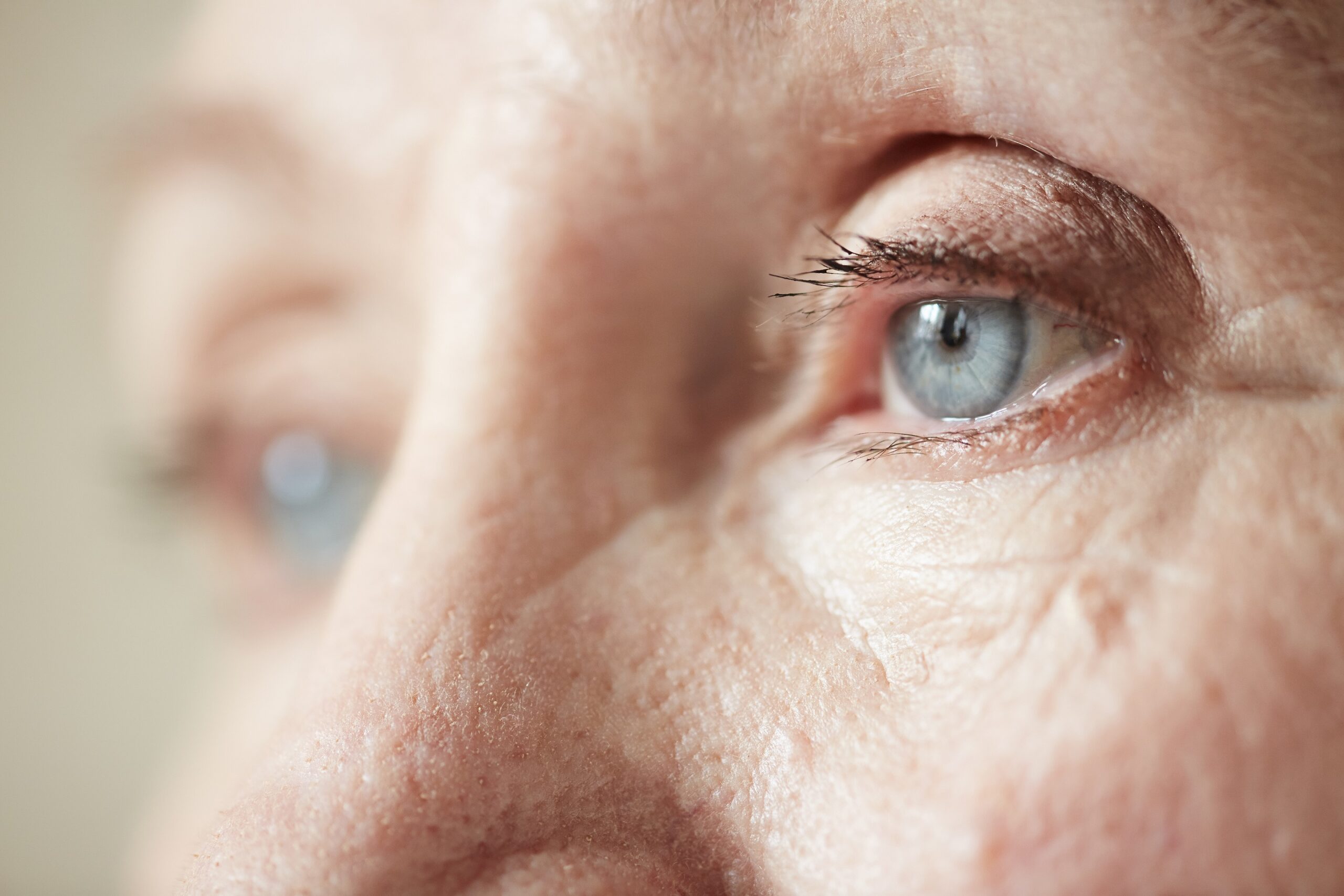
A stye is a small painful lump that develops on the inner or outer surface of the eyelid. It is a common and usually self-limiting eyelid infection involving the sebaceous glands. Most cases are caused by bacterial infection, most commonly caused by Staphylococcus aureus. (Willman D, et al., 2025)
Styes can be classified into two types:
- External hordeolum: common type which affects the glands of Zeis or Moll near the lash line
- Internal hordeolum: less common type and it is a deeper infection which involves the meibomian glands on the tarsal plate of the eyelid
Styes are usually self-limiting and benign, often resolving without intervention. However, they can cause significant discomfort, cosmetic concern and may occasionally require referral to a medical practitioner. Pharmacists frequently encounter styes in community practice, where they play a key role in patient care. They recognise the condition, offering conservative management strategies, reinforce eyelid hygiene and identify any red flags that require referral.
Clinical Features
A stye typically appears as a localised, tender, erythematous and swollen along the eyelid margin.
| Days | Description |
| 1–2 | Eyelid tenderness and initial swelling. |
| 2–4 | Formation of a red bump, sometimes progressing to a pustule. |
| 4–6 | The pustule typically comes to a head and may spontaneously drain, relieving pressure and pain. |
| 7–8 | The lesion usually resolves, with eyelid tissue returning to normal. In some cases, residual inflammation may continue for several weeks. |
Most styes are uncomplicated, persistent swelling or deeper involvement may suggest a chalazion, preseptal cellulitis or other pathology requiring medical attention.
Risk Factors
Several risk factors have been identified in the development of styes. (Eberhardt M, et al., 2026; Kaur K, et al., 2026)
- Blepharitis and ocular rosacea: chronic inflammation and mechanical obstruction at the eyelid margin increase the likelihood of glandular infection.
- Seborrheic dermatitis: altered lipid composition and deposition, which can contribute to inflammation of eyelids and promote gland blockage.
- Individual between 30 to 50 years: due to higher sebum viscosity, meibomian gland dysfunction and greater rates of rosacea within this age group.
- Elevated serum cholesterol: changes in lipid composition is associated with glandular blockage.
- Poor eyelid hygiene: Inadequate eyelid hygiene and inappropriate use of contact lens may introduce pathogenic bacteria and it significantly increases the risk of infection.
Differential Diagnosis
A stye must be distinguished from a chalazion, which is a non-infectious granulomatous inflammation resulting from meibomian gland obstruction. Unlike styes, a chalazion forms deeper within the eyelid and is usually painless, without the presence of a pustule. Chalazion is slowly enlarging and non-tender, it is usually benign and self-limiting however it may develop chronic complications. If a lesion does not drain or shows no pustule formation in the middle of swollen lump, a chalazion is more likely. (Jordan GA & Beier K, 2025)
Key distinguishing features:
- Chalazia are painless, gradually enlarging nodules.
- Styes are acutely painful, erythematous and tender.
Complications
Preseptal cellulitis is a potential complication, which is a bacterial infection of the eyelid and periorbital tissues without orbital involvement. Preseptal cellulitis may progress to orbital cellulitis which is a medical emergency due to risks of vision loss, intracranial spread, sepsis or death. Symptoms and signs of orbital cellulitis include severe headache; fever; swelling; painful, restricted eye movement; proptosis or diplopia; and erythema of the eyelid and surrounding soft tissues.
Referral to an optometrist or general practitioner is appropriate in cases where there is clinical evidence of extension of infection beyond the localised lesion, including involvement of the surrounding eyelid or periorbital tissues, or for patients who are immunocompromised. Further evaluation is also warranted when the lesion persists for several weeks and demonstrates recurrent episodes or fails to respond to appropriate conservative measures such as warm compresses. In addition, referral should be considered for large or progressively painful lesions, which may require pharmacological management or surgical intervention such as incision and drainage.
Management and Treatment
In most cases, a stye doesn’t require specific treatment and will resolve spontaneously. The most effective treatment is a warm compress which is the application of heat to the glands through the closed eyelids for 2-5 minutes several times a day. This is the cornerstone of treatment, as it softens the lesion and promotes spontaneous drainage.
Also, maintaining good hygiene practice is important. Patients should clean the eyelids regularly using a damp cotton pad soaked in a diluted baby shampoo solution or with a commercially available eyelid cleanser. Patients should be advised not to touch, rub or squeeze the affected area as this may exacerbate inflammation or increase the risk of secondary infection. Lifestyle modification is also a key component of the treatment and prevention of stye. Contact lens wearers should be reminded to wash their hands before handling contact lenses and the use of eye makeup on the affected eyelid should be avoided as it may introduce bacteria and worsen irritation. Topical or systemic antibiotics are not usually required unless in cases of secondary infection or preseptal cellulitis. In the majority of cases, styes are self-limiting, however surgical intervention may be needed when the lesion is large, painful or persistent for a couple of weeks.
References:
- Eberhardt M, Zeppieri M, Rammohan G. Blepharitis. In StatPearls. 2026.
- Kaur K, Stokkermans TJ. Meibomian gland disease. In StatPearls. 2026.
- Jordan GA, Beier K. Chalazion. In StatPearls. 2025
- Willmann D, Guier CP, Patel BC, Melanson SW. Hordeolum (stye). In StatPearls. 2025
Subscribe Knowledge Centre Updates
Enter your details to receive Knowledge Centre updates