
Dexrazoxane is used to reduce the incidence and severity of doxorubicin-associated cardiomyopathy. The Therapeutic Goods Administration (TGA) has recently approved its use for women with metastatic breast cancer who have received a cumulative doxorubicin dose of 300mg/m2 and require continuing doxorubicin therapy to maintain tumour control.
Chronic cardiotoxicity is a dose-dependent adverse effect associated with anthracycline therapy. It may present with reduced left ventricular ejection fraction (LVEF) or congestive heart failure (CHF). This cardiotoxicity can be severe and represents the cumulative dose-limiting toxicity for anthracyclines.
Several mechanisms have been proposed to explain this cardiotoxicity. One involves the iron-mediated generation of free radicals, which leads to oxidative stress in cardiac muscle. Dexrazoxane, a structural analogue of ethylenediaminetetraacetic acid (EDTA), acts as a metal ion chelator. It may prevent the formation of iron-anthracycline complexes and reactive oxygen species. Additionally, dexrazoxane inhibits DNA topoisomerase IIβ, and some evidence suggests that reducing cardiac levels of this enzyme may contribute to its cardioprotective effects.
Studies conducted in patients with breast cancer showed a reduced risk of heart failure (risk ratio: 0.22; 95% CI 0.11-0.43) and no significant difference in oncologic outcomes. Most adverse effects occurred at similar rates in both treatment and control groups. However, some studies conducted in paediatric populations have found a higher risk of secondary malignant neoplasms. It should also be noted that dexrazoxane does not protect against non-cardiac toxicities.
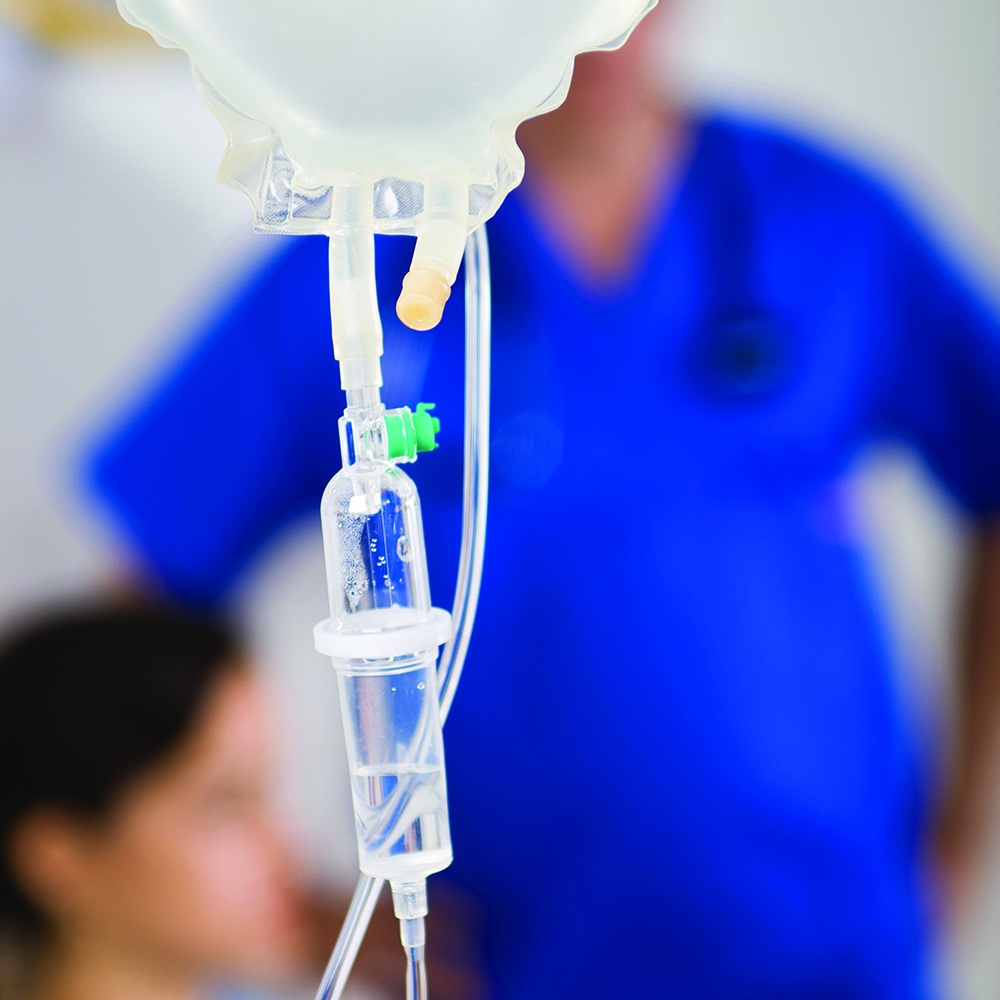
The recommended dose ratio of dexrazoxane to doxorubicin of 10:1. Dexrazoxane is administered as an intravenous infusion over 15 minutes. Doxorubicin administration should occur within 30 minutes after the dexrazoxane infusion is completed.
References:
- de Baat EC, Mulder RL, Armenian S, Feijen EA, Grotenhuis H, Hudson MM, et al. Dexrazoxane for preventing or reducing cardiotoxicity in adults and children with cancer receiving anthracyclines. Cochrane Database Syst Rev. 2022; 9(9): CD014638.
- Dexrazoxane-Reach (Dexrazoxane) Australian approved product information. Preston: Reach Pharmaceuticals. Approved March 2025.
- Jirkovský E, Jirkovská A, Bavlovič-Piskáčková H, Skalická V, Pokorná Z, Karabanovich G, et al. Clinically translatable prevention of anthracycline cardiotoxicity by dexrazoxane is mediated by topoisomerase II beta and not metal chelation. Circ Heart Fail. 2021; 14(11): e008209.
Subscribe Knowledge Centre Updates
Enter your details to receive Knowledge Centre updates