
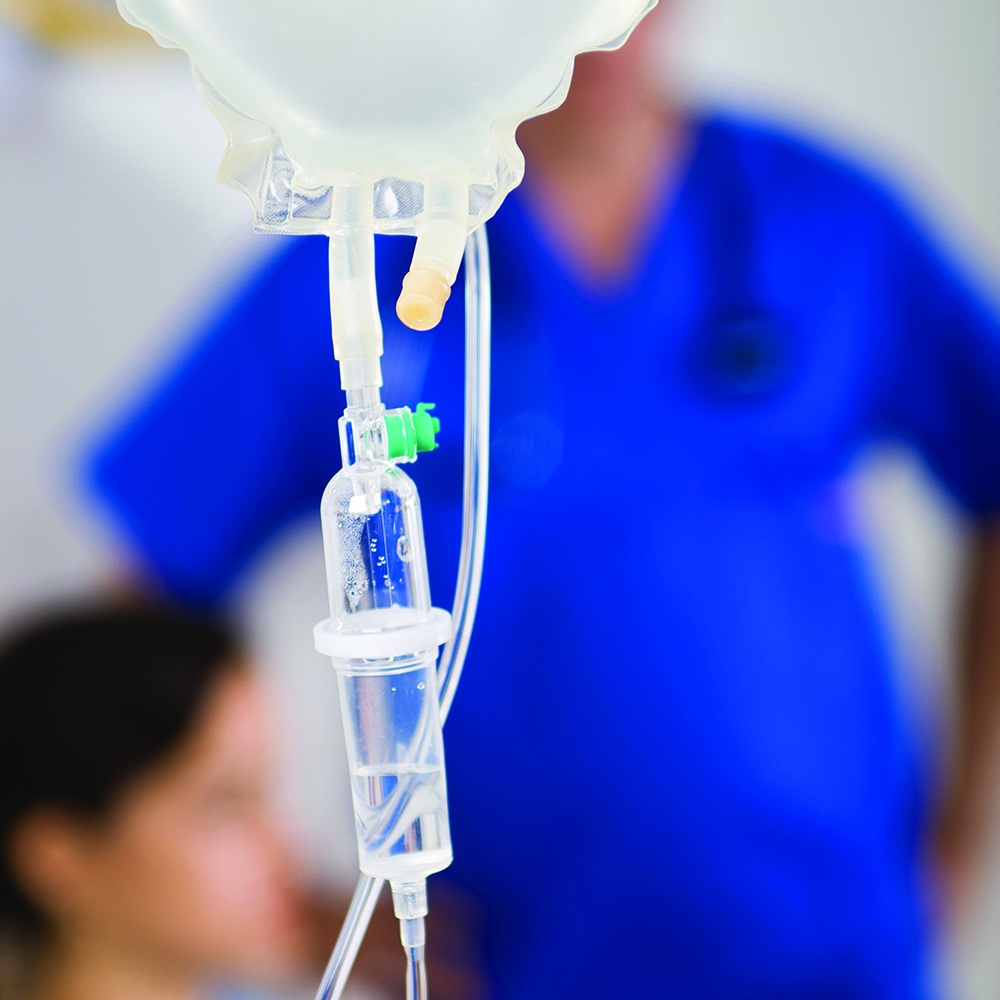
Ublituximab has recently been added to the Pharmaceutical Benefits Scheme (PBS) for the treatment of relapsing-remitting multiple sclerosis. Ublituximab is a monoclonal antibody that is administered as an intravenous infusion. The first two doses are given two weeks apart, with subsequent doses every 24 weeks.
The ULTIMATE I and II trials compared the efficacy of intravenous ublituximab (plus oral placebo) with oral teriflunomide (plus intravenous placebo). The primary end point was the annualised relapse rate (ARR). In the ULTIMATE I trial, ARR was 0.08 in the ublituximab group compared to 0.19 for the teriflunomide group. Similar results were seen in the ULTIMATE II trial, with an ARR of 0.09 in the ublituximab group and 0.18 in the teriflunomide group. However, no significant difference was observed in the risk of worsening of disability.
The most common adverse reactions are infections and infusion-related reactions (IRRs). Dosing is contraindicated in patients with severe active infection or severe immunocompromise. To minimise IRRs, a corticosteroid and antihistamine is administered prior to each infusion. An antipyretic may also be considered.
Although no cases of progressive multifocal leukoencephalopathy (PML) have been reported with ublituximab to date, its mechanism of action suggests a potential risk. Patients should be advised to immediately report any new or worsening neurological signs or symptoms to their doctor.
References:
- Steinman L, Fox E, Hartung HP, Alvarez E, Qian P, Wray S, et al. Ublituximab versus teriflunomide in relapsing multiple sclerosis. N Engl J Med. 2022; 387(8): 704-714.
- Briumvi® (Ublituximab) Australian approved product information. Hawthorn East: Accelagen. Approved November 2025.
Subscribe Knowledge Centre Updates
Enter your details to receive Knowledge Centre updates